Danish223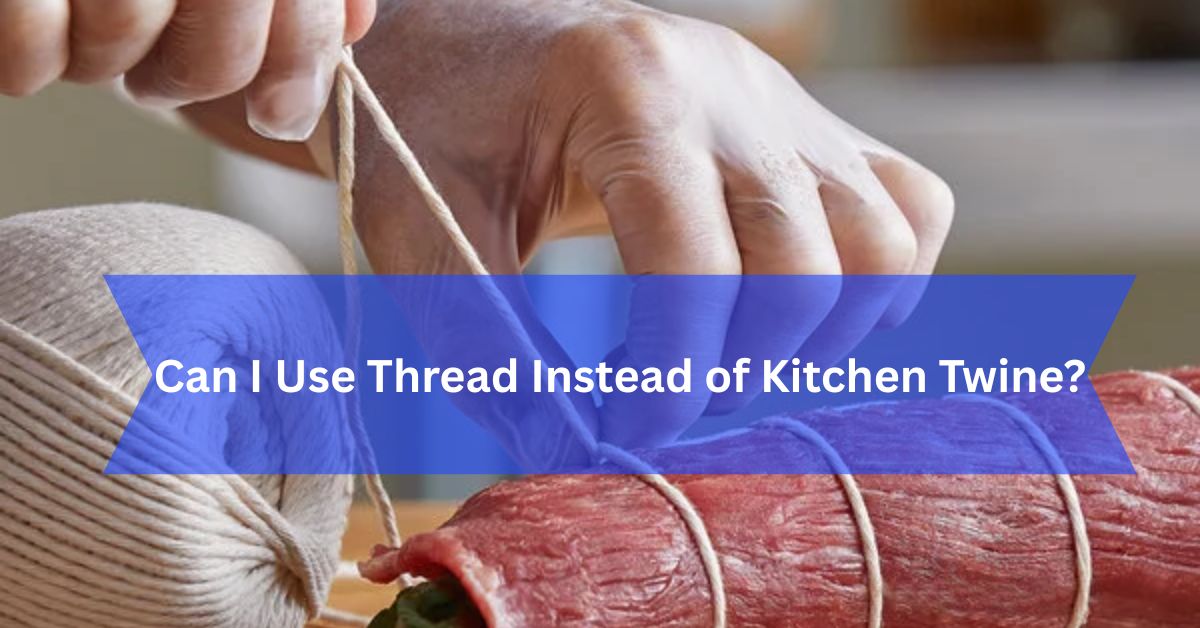
Using thread instead of kitchen twine is risky because most household threads are synthetic and not made for high heat. They can melt, burn, or release chemicals when exposed to oven temperatures. While it may seem like an easy substitute, it’s generally unsafe for cooking.
Yes, you can use thread instead of kitchen twine only if it’s 100% undyed cotton, but it’s still not recommended. Most threads contain synthetic fibers or dyes that can melt or contaminate food. For safety, use kitchen twine or safe alternatives like plain dental floss or aluminum foil strips.
In This Article We Discuss “can i use thread instead of kitchen twine”
Why Kitchen Twine Is Used in Cooking
Kitchen twine is specifically designed for trussing poultry, securing stuffed meats, and tying herbs. It’s made from 100% food-safe cotton that can withstand high heat without melting. This ensures your food cooks evenly and maintains its shape.
Is Sewing Thread Safe for Tying Meat?
Sewing thread is usually not safe for tying meat because it often contains polyester or nylon fibers. These materials can melt onto food and release chemicals. Only pure, dye-free cotton thread can be considered, but even then, it’s rarely food-grade.
Differences Between Kitchen Twine and Regular Thread
Kitchen twine is thicker, stronger, and heat-resistant compared to regular sewing thread. Thread is designed for stitching fabric, not surviving oven temperatures. The structural strength and purity of kitchen twine make it the safer choice.
What Happens If You Use Polyester Thread in the Oven?
Polyester thread begins melting at around 250–300°C (482–572°F), well below many cooking temperatures. When it melts, it can bond to your food and release harmful chemicals. This can ruin your dish and possibly create health hazards.
Can Cotton Thread Replace Kitchen Twine Safely?
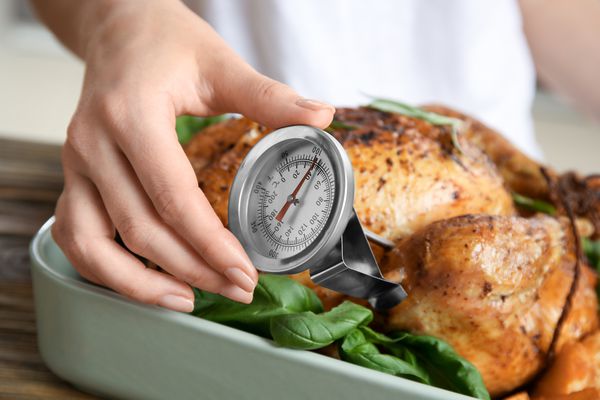
Pure, undyed cotton thread may withstand some heat but is not as thick or strong as cooking twine. It can snap under tension or burn if close to heating elements. Only certified food-grade cotton is truly safe for cooking applications.
Why Synthetic Thread Is Unsafe for Cooking
Synthetic threads like nylon, rayon, or polyester can melt, shrink, or catch fire. Their coatings, dyes, and chemicals are not food-safe. Using them can contaminate food and pose serious safety risks during cooking.
Can Embroidery Thread Be Used for Cooking?
Embroidery thread often contains dyes, waxes, and synthetic fibers. These additives can bleed color or melt during heating. It is not recommended for any food-related use in the oven.
Is Yarn a Good Substitute for Kitchen Twine?
Yarn typically includes acrylic or wool fibers that are not heat-resistant. Even natural wool can burn or release odors when heated. Yarn is better suited for crafts, not cooking.
Can Crochet Thread Be Used in the Kitchen?
Crochet thread may look similar to twine, but most types contain synthetic blends or dyes. These materials are unsafe for direct contact with food under heat. It’s best to avoid using crochet thread for any cooking purpose.
Heat Resistance: Thread vs. Kitchen Twine
Kitchen twine is designed to withstand high heat without degrading. Regular thread weakens quickly and may snap or melt. This difference is crucial for maintaining food safety and structure.
Is Thread Food-Safe for Roasting and Baking?
Most household thread is not certified food-safe and contains chemicals and residues. Baking or roasting with non-food-safe thread risks contaminating meat. Always choose proper kitchen twine for safe cooking.
Will Thread Melt While Cooking?
Synthetic threads will likely melt when exposed to oven temperatures. Even cotton thread may char or burn if too close to heat. This creates both a fire hazard and a contamination problem.
Risks of Chemicals and Dyes in Regular Thread
Colored threads can leak dyes into food when heated. Many dyes are not intended for consumption and may release toxins. Threads may also have coatings like wax or plastic, adding additional risks.
When You Should Never Use Thread in Cooking
Avoid using thread when roasting poultry, tying stuffed meat, or cooking on high heat. Never use thread if it contains unknown materials, dyes, or synthetics. When in doubt, skip it for safer alternatives.
Emergency Substitutes for Kitchen Twine
Unflavored dental floss, aluminum foil strips, and wooden skewers are good emergency options. They withstand heat and are commonly found in most homes. These substitutes perform well without compromising safety.
Using Unflavored Dental Floss Instead of Kitchen Twine
Plain, unwaxed, unflavored dental floss is a safe and strong alternative. It holds meat securely and resists high temperatures. Ensure it has no coatings that may melt or burn.
Can You Use Waxed or Flavored Dental Floss?
Waxed floss can melt and drip onto food, creating a fire hazard. Flavored floss may transfer unwanted tastes like mint. Always choose plain, unflavored, unwaxed floss for cooking.
Using Aluminum Foil as a Kitchen Twine Alternative
Aluminum foil can be rolled into tight bands and wrapped around food. It handles high heat well and won’t burn. This method works best for securing rolled meats.
How to Twist Aluminum Foil Into Cooking Bands
Tear a long strip of foil, twist it tightly into a rope shape, and wrap it around your meat. Adjust the thickness for extra strength. Press the ends together firmly to secure.
Wooden Skewers and Toothpicks as Twine Substitutes
Toothpicks or skewers can pin rolled meats or hold stuffed items in place. They are sturdy and oven-safe when handled properly. Just insert them into the folds to keep seams closed.
Should You Soak Wooden Toothpicks Before Using?
Yes, soaking toothpicks or skewers helps prevent burning in the oven. They absorb water, reducing the risk of ignition. This is the same technique used when grilling.
Using Silicone Cooking Bands Instead of Kitchen Twine
Silicone cooking bands are reusable and heat-resistant. They stretch easily and work like rubber bands for food. These bands are safe, durable, and designed for kitchen use.
Can Cheesecloth Strips Replace Kitchen Twine?
Thin strips of cheesecloth can wrap or hold herbs and light foods. They work well for simmering or steeping ingredients. Avoid using them for tight trussing or heavy meats.
Best Food-Safe Materials for Tying Meat
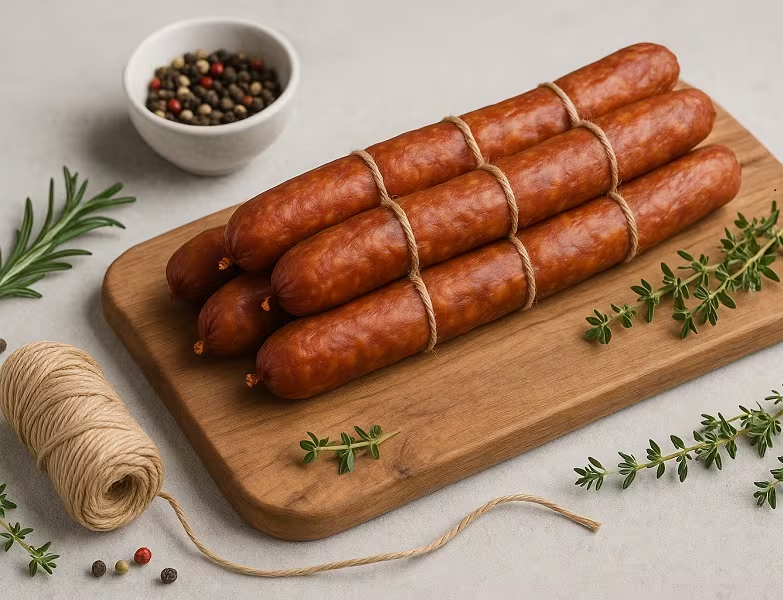
Cotton kitchen twine, silicone bands, and unwaxed floss are top choices. These materials resist heat and are made for direct food contact. They ensure safety without compromising cooking quality.
How to Tie a Chicken Without Kitchen Twine
Tuck the wings under the bird and cross the legs tightly. Use aluminum foil to secure the legs if needed. This simple method helps the chicken cook evenly.
How to Secure a Stuffed Loin Without Twine
Place the loin seam-side down so the weight keeps it closed. Use wooden skewers along the seam for extra support. Foil strips can also add tension to hold the roll together.
Can You Truss a Turkey Without Kitchen Twine?
Yes, by tucking the wings and using foil bands. You can also cover the tips with foil to prevent burning. The bird will still maintain a good shape without twine.
What to Do If You Don’t Have Twine, Floss, or Foil
Lay meat seam-side down and rely on weight to hold it. Use skewers, oven-safe pans, or fold wings tightly. Many recipes will still work without tying at all.
Can Kitchen Rubber Bands Replace Twine?
Rubber bands are unsafe because rubber melts and gives off fumes. They can snap under heat and ruin your dish. Never use rubber bands for cooking.
Why Rubber Bands Are Unsafe for Oven Cooking
Rubber softens and melts at relatively low temperatures. It can stick to food and release chemicals. This poses both health and fire dangers.
Are Natural Fibers Like Hemp or Linen Good Alternatives?
Hemp and linen twines can be safe if undyed and food-grade. They tolerate heat and offer strong support. Always verify the material is intended for cooking use.
Comparing Cotton, Hemp, and Linen for Cooking Safety
Cotton is the most common and reliable cooking twine. Hemp is strong and naturally resistant to mold. Linen is durable and heat-resistant but must be food-safe and dye-free.
Does Thread Affect the Flavor of Food?
Yes, dyed or coated thread can impart flavors or odors. Synthetic melts can also create chemical tastes. Only food-safe materials avoid altering food flavor.
How to Identify Food-Safe Cotton Thread
Look for labels indicating 100% cotton with no dyes or chemicals. Food-safe twine is typically thicker and uncoated. Avoid anything with color, sheen, or synthetic blends.
Kitchen Twine Buying Guide for Beginners
Choose 100% cotton, undyed, uncoated twine. Ensure it’s labeled oven-safe or food-safe. Select a thickness that suits your cooking style.
How to Store Kitchen Twine for Long-Term Use
Keep twine in a dry, cool place away from moisture. To avoid contamination, keep it in an airtight container. Avoid areas near heat or strong odors.
DIY Kitchen Twine: Is It Worth Trying?
Homemade twine is rarely safe for cooking because material purity is hard to guarantee. Without food-grade standards, risks increase. Buying proper twine is easier and safer.
Can You Reuse Kitchen Twine?
No, kitchen twine is meant for one-time use. It absorbs juices and weakens after cooking. Reusing it compromises both hygiene and strength.
Top Mistakes People Make When Replacing Kitchen Twine
Using synthetic thread, ignoring dyes, or choosing unsafe materials are common errors. Over-tightening substitutes can tear meat. Forgetting to remove skewers or foil can also cause problems.
How Professionals Truss Meat Without Twine
Chefs may use butcher’s needles, silicone bands, or technique-based folding. These methods secure meats using structure instead of tying. Such skills come with experience.
Safety Tips for Using Any Thread Substitute
Always check heat resistance and food safety. Keep materials away from heating elements. Remove all substitutes before serving food.
How Close Threads Come to the Heating Element Matters
Materials too close to the top heating element can burn quickly. Position racks lower to avoid direct heat. This reduces the risk of ignition or melting.
Fire Hazards When Using Thread in the Oven
Synthetic thread, waxed floss, or dyed fibers can ignite. Small flames can spread quickly inside compact ovens. Proper materials prevent these dangers.
Oven-Safe Materials You Already Have at Home
Foil, skewers, toothpicks, and plain floss are reliable options. These items withstand heat and are common in most kitchens. They serve as practical emergency replacements.
Can You Use Thread in an Air Fryer Instead of Twine?
Air fryers circulate air rapidly, making melting or burning thread more likely. Thread may fly around and touch heating elements. Avoid using thread in air fryers entirely.
Can You Use Thread in a Pressure Cooker or Instant Pot?
Pressure cookers rely on steam, not direct heat, but thread can still weaken. Synthetic materials may shed fibers or break under pressure. Use food-safe twine or leave meat untrussed.
What to Avoid When Tying Herbs for Soups and Stocks
Avoid dyed or synthetic string that could leach into liquid. Use cheesecloth or food-safe cotton for herb bundles. This keeps flavors clean and safe.
Best Budget Substitutes for Kitchen Twine
Unflavored floss, foil strips, and wooden skewers are affordable alternatives. They work well for most household cooking needs. These inexpensive items keep your dishes safe and intact.
Final Verdict: Should You Ever Use Thread Instead of Kitchen Twine?
No—thread is rarely safe because it’s not made for cooking. Only pure, undyed, food-grade cotton can work, but it’s still inferior to kitchen twine. For safety and best results, always choose proper cooking materials.
FAQs
1. Can I use sewing thread instead of kitchen twine?
Sewing thread is usually made from polyester or nylon, which can melt in the oven. It may release chemicals into your food. For safety, avoid using sewing thread for cooking.
2. Is cotton thread safe for tying meat?
Only pure, undyed, uncoated cotton thread can be considered, but it is still thin and weak. It may burn or snap under high heat. Food-grade kitchen twine is always safer.
3. What happens if synthetic thread melts in the oven?
Synthetic threads melt into a plastic-like residue that can stick to your food. This melted material can release toxic chemicals. It also poses a fire hazard inside the oven.
4. Can dental floss really replace kitchen twine?
Yes—plain, unflavored, and unwaxed dental floss is a safe emergency substitute. It’s strong and heat-resistant enough for most cooking tasks. Avoid flavored or waxed varieties because they can melt or add taste.
5. Is aluminum foil safe to use as a cooking tie?
Aluminum foil can be twisted into strong strips to hold meat in place. It doesn’t melt in the oven and is food-safe. However, it may not be strong enough for heavy birds like turkey.
6. Can I tie herbs with regular thread for soups or stocks?
Regular thread may contain dyes or coatings that leach into liquids. For herbs, use cheesecloth or food-safe cotton twine. These materials keep your broth clean and safe.
7. Are silicone cooking bands safe alternatives?
Yes, silicone cooking bands are reusable and heat-resistant. They are specifically made for kitchen use and won’t melt or break during cooking. They are one of the safest twine substitutes.
8. Can I reuse kitchen twine after cooking?
No, kitchen twine absorbs juices, oils, and bacteria during cooking. It also weakens after exposure to heat. For hygiene and safety, always use fresh twine each time.
9. Is yarn safe for cooking or tying meats?
Most yarn contains acrylic or other synthetic fibers that can melt or burn. Even natural yarn may have dyes or coatings. It’s not recommended for any food-related heating.
10. What should I do if I have no twine, floss, or foil?
You can leave the chicken or meat untrussed and rely on proper positioning. Tuck wings under the bird or place stuffed meat seam-side down. Many dishes cook perfectly fine without tying.
Conclusion
Using thread instead of kitchen twine is usually unsafe because most threads can melt or release chemicals when heated. Safer alternatives like plain dental floss, aluminum foil, or silicone cooking bands work better in emergencies. For best results, always use proper food-grade kitchen twine when cooking.