Danish223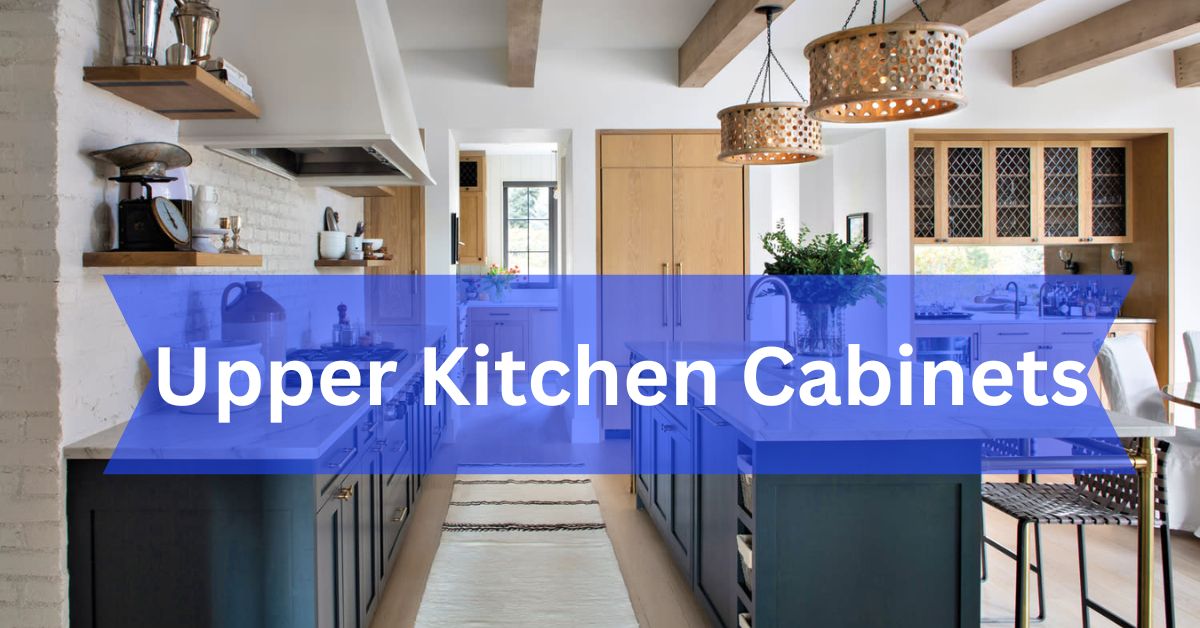
Upper kitchen cabinets are one of the most important elements in modern kitchen design. They not only provide essential storage but also define the visual balance of the kitchen. From functionality to aesthetics, upper kitchen cabinets influence how comfortable and efficient a kitchen feels. Choosing the right cabinets can transform an ordinary kitchen into a highly organized and stylish space.
Above the kitchen countertop are wall-mounted storage units called upper kitchen cabinets. They are designed to store everyday items such as dishes, glasses, spices, and pantry essentials while keeping the countertop clean and organized. Upper kitchen cabinets maximize vertical space, improve kitchen functionality, and enhance the overall design of the kitchen. To fit a variety of kitchen designs and interior themes, they come in a range of sizes, styles, materials, and finishes.
In This Article We Discuss We About “upper kitchen cabinets”
Introduction to Upper Kitchen Cabinets
Upper kitchen cabinets are wall-mounted cabinets installed above countertops and appliances. Their main purpose is to store everyday kitchen items such as plates, glasses, spices, and pantry essentials. These cabinets help utilize vertical wall space efficiently, especially in kitchens with limited square footage. Without upper cabinets, kitchens can feel incomplete and cluttered.
Why Upper Kitchen Cabinets Are Essential
Upper kitchen cabinets are essential because they maximize storage while keeping the kitchen organized. They help free up counter space, making food preparation easier and safer. By keeping frequently used items within arm’s reach, they improve daily workflow. In both small and large kitchens, upper cabinets contribute to better functionality and cleanliness.
Types of Upper Kitchen Cabinets
There are several types of upper kitchen cabinets designed for different needs and layouts. Standard wall cabinets are the most common, while corner cabinets help utilize unused spaces. Glass-front cabinets are ideal for display, and bridge cabinets connect sections above appliances. Choosing the right type depends on storage needs and kitchen design.
Standard Dimensions of Upper Kitchen Cabinets
Standard upper kitchen cabinets are typically 12 inches deep, making them easy to access without obstructing workspace. Their height usually ranges from 12 to 42 inches, depending on ceiling height and design preference. Typically, cabinets are positioned 18 inches above countertops. These standard dimensions ensure comfort and consistency across kitchens.
Custom vs. Stock Upper Kitchen Cabinets
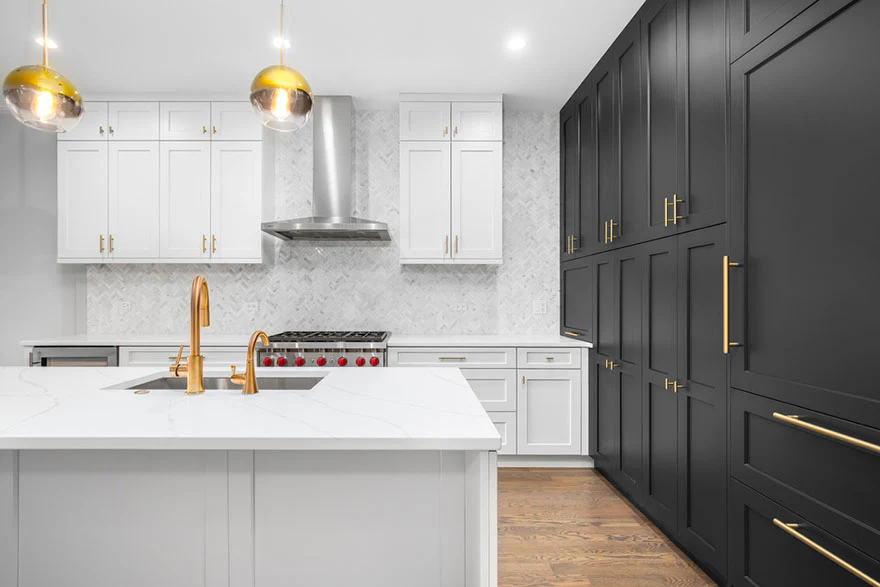
Stock upper kitchen cabinets are pre-manufactured in standard sizes and are more affordable. Custom cabinets, on the other hand, are built to exact specifications, offering maximum flexibility. Custom options are ideal for unique kitchen layouts or specific design visions. The choice between stock and custom depends on budget, space, and personalization needs.
Best Materials for Upper Kitchen Cabinets
Upper kitchen cabinets are commonly made from solid wood, plywood, MDF, or laminate. Solid wood offers durability and a premium feel, while plywood balances strength and cost. For painted treatments, MDF offers a smooth surface. Laminate cabinets are budget-friendly and easy to maintain.
Popular Styles of Upper Kitchen Cabinets
Cabinet style plays a major role in defining kitchen aesthetics. Shaker, farmhouse, modern, classic, and minimalist designs are all in vogue. Each style reflects a different personality and lifestyle preference. Choosing a consistent style creates a cohesive and visually pleasing kitchen.
Modern Upper Kitchen Cabinets
Modern upper kitchen cabinets feature clean lines, flat panels, and minimal ornamentation. Typically, cabinets are positioned 18 inches above countertops. These cabinets often include handleless designs or sleek hardware. They are ideal for modern homes that prioritize practicality and simplicity.
Traditional Upper Kitchen Cabinets
Traditional upper kitchen cabinets emphasize detail and elegance. Raised-panel doors, decorative moldings, and classic hardware define this style. Warm wood tones are commonly used to create a timeless look. Traditional cabinets suit homeowners who prefer classic and sophisticated kitchens.
Shaker Style Upper Kitchen Cabinets
Shaker-style upper kitchen cabinets are known for their simple, functional design. They feature a flat center panel with a framed border. This design complements both traditional and modern kitchens. Shaker cabinets remain popular due to their versatility and timeless appeal.
Glass Front Upper Kitchen Cabinets
Kitchens that have glass-front upper cabinets are more airy and sophisticated. They are ideal for displaying dishware, glassware, or decorative items. Clear, frosted, or textured glass options allow design flexibility. However, they require organized storage to maintain a clean appearance.
Open Shelving vs. Upper Kitchen Cabinets
Open shelving offers easy access and a modern look, while upper cabinets provide concealed storage. Shelving creates an airy feel but exposes items to dust and clutter. Cabinets offer better organization and protection. The choice depends on lifestyle, storage needs, and design preference.
Best Colors for Upper Kitchen Cabinets
Color selection significantly impacts the kitchen atmosphere. Light colors make kitchens appear larger and brighter. Dark colors add depth and drama, while neutral tones provide balance. Choosing the right color enhances both mood and functionality.
White Upper Kitchen Cabinets
White upper kitchen cabinets are timeless and versatile. They reflect light, making kitchens feel spacious and clean. White cabinets pair well with almost any countertop or backsplash. They are a popular choice for both modern and traditional kitchens.
Black Upper Kitchen Cabinets
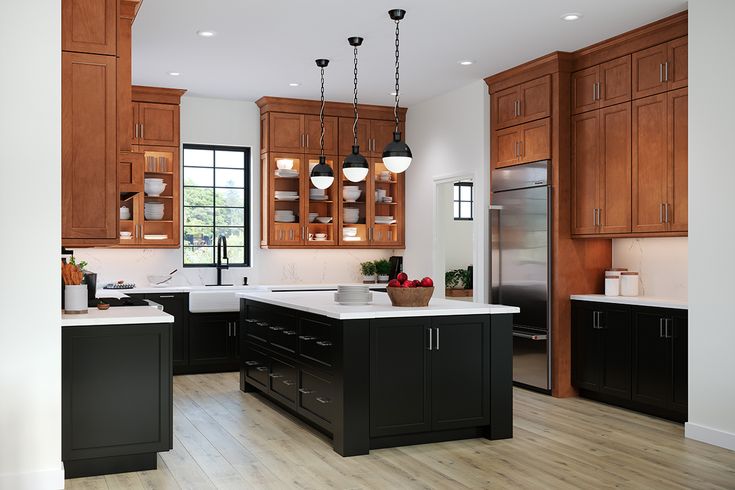
Black upper kitchen cabinets create a bold and luxurious statement. They add contrast and sophistication when paired with lighter elements. Proper lighting is essential to prevent a dark appearance. Black cabinets work best in larger or well-lit kitchens.
Wood Finish Upper Kitchen Cabinets
Wood finish upper kitchen cabinets bring warmth and natural beauty. Popular wood types include oak, maple, and walnut. These finishes add texture and character to kitchens. Wood cabinets suit rustic, traditional, and transitional styles.
Two-Tone Upper Kitchen Cabinets
Two-tone upper kitchen cabinets mix different colors or finishes for visual interest. Typically, upper cabinets are lighter while lower cabinets are darker. This approach creates balance and depth. Two-tone designs add personality without overwhelming the space.
Handleless Upper Kitchen Cabinets
Handleless upper kitchen cabinets offer a sleek and modern appearance. Push-to-open mechanisms eliminate the need for visible hardware. This design reduces visual clutter and enhances minimalism. Handleless cabinets are ideal for contemporary kitchens.
Upper Kitchen Cabinets with Lighting
Integrated lighting improves both function and ambiance. Under-cabinet LED lights enhance visibility for food preparation. Lighting also highlights backsplashes and countertops. Well-placed lighting adds elegance and practicality.
Installing Upper Kitchen Cabinets
Proper installation is crucial for safety and durability. Cabinets must be securely anchored into wall studs. Level alignment ensures a polished and professional look. Professional installation reduces the risk of long-term issues.
Measuring for Upper Kitchen Cabinets
Accurate measurements are essential before purchasing cabinets. Width, height, and depth must be carefully calculated. Special attention is needed around windows, doors, and appliances. Correct measurements prevent costly errors.
Height Placement of Upper Kitchen Cabinets
Upper cabinets are usually installed 18 inches above countertops. This height allows comfortable access and appliance clearance. Incorrect placement can affect usability and appearance. Proper height ensures ergonomic efficiency.
Upper Kitchen Cabinets for Small Kitchens
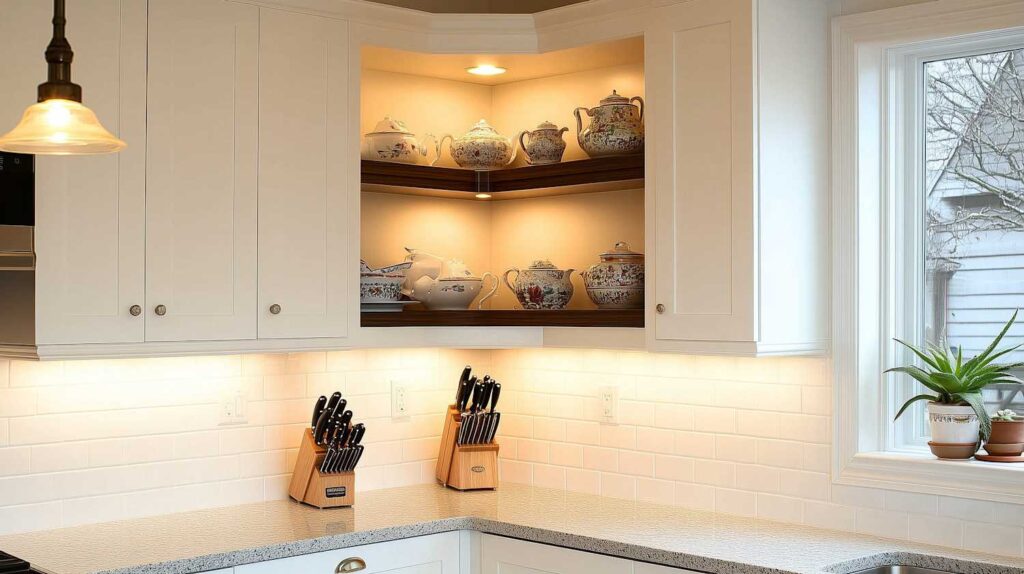
In small kitchens, upper cabinets maximize vertical storage. Light colors and slim designs prevent a cramp feel. Ceiling-height cabinets provide extra storage. Smart planning makes small kitchens highly functional.
Space-Saving Upper Kitchen Cabinets
Space-saving cabinets include pull-down shelves and vertical organizers. These features improve accessibility and efficiency. Built-in solutions reduce wasted space. They are ideal for compact kitchens.
Corner Upper Kitchen Cabinets
Corner upper cabinets utilize difficult spaces effectively. Lazy Susans and angled cabinets improve access. Without proper design, corners become wasted space. Well-designed corner cabinets increase storage capacity.
Floating Upper Kitchen Cabinets
Floating cabinets create a modern and airy look. They appear to “float” without visible supports. This design works well in minimalist kitchens. Floating cabinets enhance openness and style.
Ceiling-Height Upper Kitchen Cabinets
Ceiling-height cabinets maximize storage and eliminate dust-collecting gaps. They create a tall, elegant appearance. These cabinets are ideal for kitchens needing extra storage. They also enhance visual continuity.
Budget-Friendly Upper Kitchen Cabinets
Budget-friendly cabinets are available in laminate or MDF. Stock cabinets reduce costs significantly. Simple designs offer affordability without sacrificing function. Smart choices help achieve style on a budget.
Luxury Upper Kitchen Cabinets
Luxury cabinets feature premium materials and custom craftsmanship. Soft-close hinges, glass inserts, and fine finishes are common. These cabinets enhance home value. They represent elegance and sophistication.
Refacing Upper Kitchen Cabinets
Refacing updates cabinets without full replacement. It involves changing doors and surface finishes. This method is cost-effective and less disruptive. Refacing refreshes kitchens quickly.
Painting Upper Kitchen Cabinets
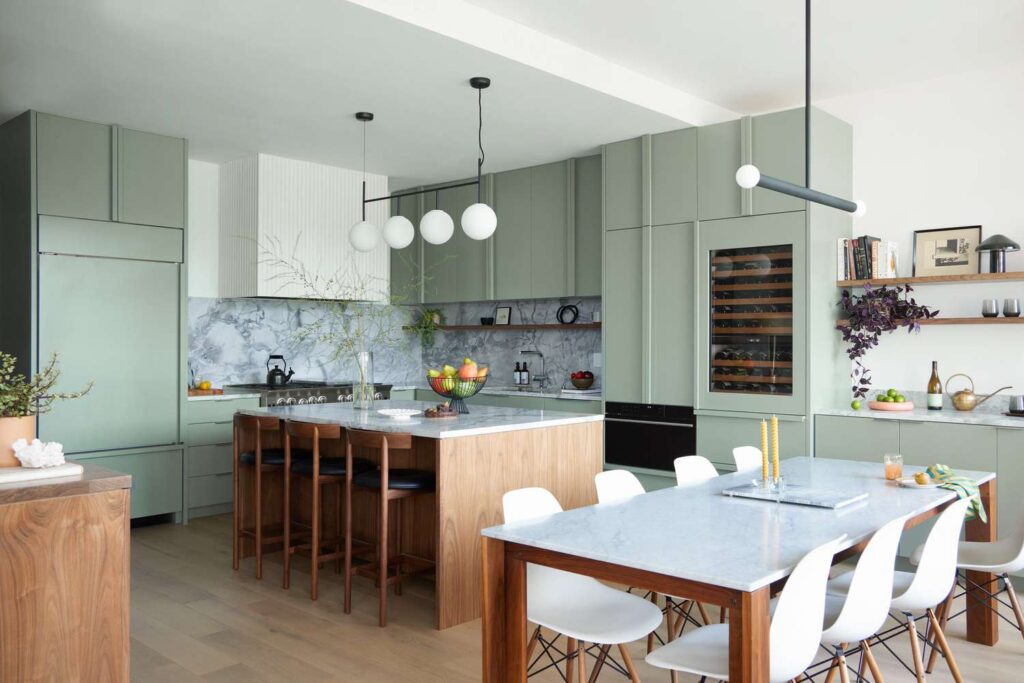
Painting cabinets is an affordable upgrade option. New colors transform kitchen aesthetics. Proper preparation ensures long-lasting results. High-quality paint improves durability.
Cleaning and Maintaining Upper Kitchen Cabinets
Regular cleaning preserves cabinet appearance. Mild cleaners prevent surface damage. Avoid harsh chemicals. Proper maintenance extends cabinet lifespan.
Organizing Upper Kitchen Cabinets
Organized cabinets improve efficiency. Dividers and bins maximize space. Organization reduces clutter. Well-organized cabinets save time daily.
Best Hardware for Upper Kitchen Cabinets
Hardware affects both function and style. Knobs and pulls should match cabinet design. Quality hardware ensures durability. Hardware completes the cabinet look.
Soft-Close Upper Kitchen Cabinets
Soft-close cabinets prevent slamming. They reduce noise and wear. This feature adds luxury. Soft-close systems increase longevity.
Upper Kitchen Cabinets with Crown Molding
Crown molding adds elegance and height. It creates a finished appearance. This detail enhances design. Crown molding suits many styles.
Glass Inserts for Upper Kitchen Cabinets
Glass inserts lighten cabinet appearance. They add visual interest. Frosted or clear glass offers flexibility. Glass enhances openness.
Minimalist Upper Kitchen Cabinets
Minimalist cabinets focus on simplicity. Clean lines and neutral colors dominate. They reduce visual clutter. Minimalism creates calm spaces.
Farmhouse Style Upper Kitchen Cabinets
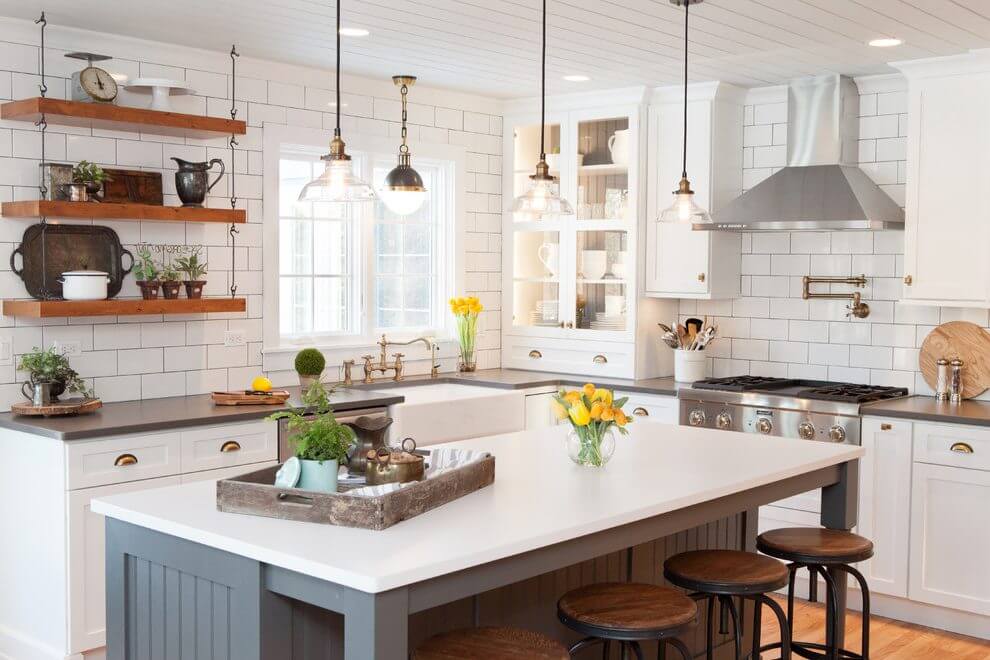
Farmhouse cabinets feel warm and welcoming. Shaker doors and vintage hardware define them. They suit cozy kitchens. Farmhouse style blends tradition and comfort.
Industrial Style Upper Kitchen Cabinets
Industrial cabinets feature metal accents. Dark colors and raw textures dominate. This style suits urban homes. Industrial design feels bold.
Contemporary Upper Kitchen Cabinets
Contemporary cabinets mix modern and classic elements. Smooth finishes and neutral tones define them. They feel timeless yet current. Contemporary style offers balance.
Rustic Upper Kitchen Cabinets
Rustic cabinets emphasize natural beauty. Distressed wood adds charm. Earthy tones create warmth. Rustic kitchens feel cozy.
High-Gloss Upper Kitchen Cabinets
High-gloss cabinets reflect light. They brighten kitchens visually. Glossy finishes feel modern. Regular cleaning maintains shine.
Matte Finish Upper Kitchen Cabinets
Matte cabinets offer subtle elegance. They hide fingerprints better. Matte finishes feel sophisticated. They suit modern homes.
Upper Kitchen Cabinets with Built-in Storage
Built-in storage improves functionality. Pull-out racks enhance access. Smart storage saves space. Built-ins improve efficiency.
Eco-Friendly Upper Kitchen Cabinets
Eco-friendly cabinets use sustainable materials. Low-VOC finishes improve air quality. Bamboo and recycled wood are common. Eco options support green living.
Upper Kitchen Cabinets Trends 2026
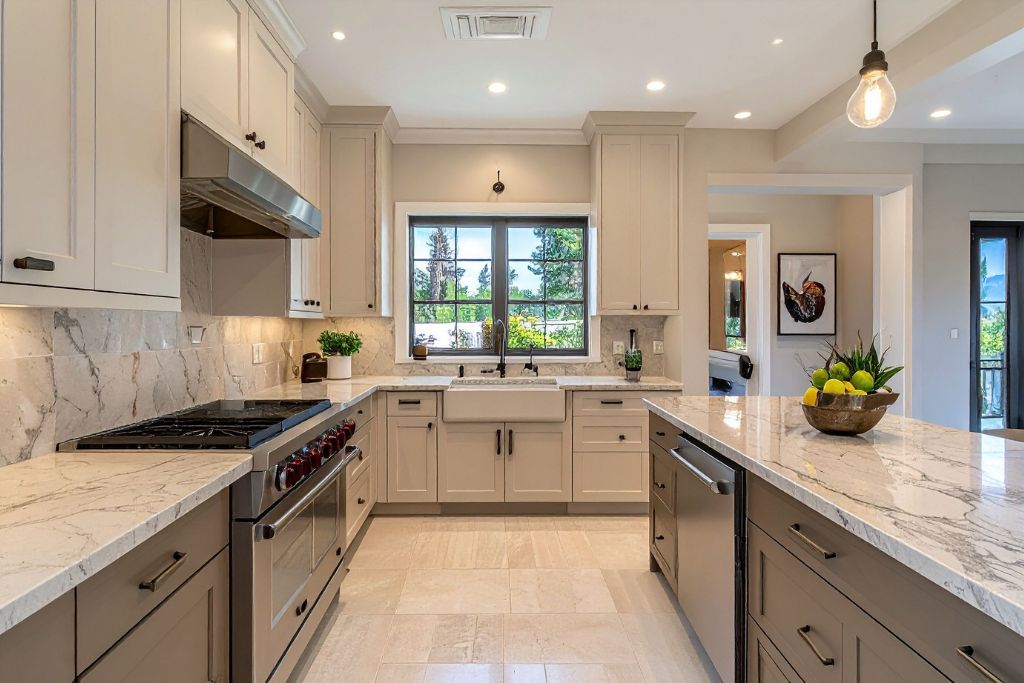
Trends focus on smart storage and bold colors. Mixed materials are popular. Technology integration is increasing. Design emphasizes functionality.
Pros and Cons of Upper Kitchen Cabinets
Upper cabinets offer storage and organization. They improve aesthetics. However, they can feel heavy in small kitchens. Balanced design minimizes drawbacks.
Common Mistakes to Avoid
Poor measurements cause problems. Ignoring lighting reduces usability. Wrong cabinet size affects flow. Planning prevents mistakes.
Final Thoughts on Upper Kitchen Cabinets
Upper kitchen cabinets are essential for storage and design. They enhance functionality and style. The right choice improves daily life. Thoughtful planning ensures long-term satisfaction.
FAQs
1. What are upper kitchen cabinets used for?
Upper kitchen cabinets are used to store everyday kitchen items such as plates, glasses, spices, and pantry goods. They help keep countertops clear and organized. By using vertical wall space, they improve kitchen functionality. They are essential for maintaining a clean and efficient kitchen.
2. What is the standard height for upper kitchen cabinets?
The standard height for installing upper kitchen cabinets is about 18 inches above the countertop. This spacing allows enough room for appliances and food preparation. Cabinet heights themselves usually range from 12 to 42 inches. Proper height ensures comfort and easy access.
3. Are upper kitchen cabinets necessary in small kitchens?
Yes, upper kitchen cabinets are especially important in small kitchens. They maximize vertical storage without taking up floor space. Light-colored cabinets can make small kitchens feel larger. Properly designed upper cabinets improve organization and efficiency.
4. What material is best for upper kitchen cabinets?
The best material depends on budget and style preference. Solid wood offers durability and a premium look. MDF is smooth and ideal for painted cabinets. Plywood provides strength and long-lasting performance at a moderate cost.
5. Can upper kitchen cabinets reach the ceiling?
Yes, ceiling-height upper kitchen cabinets are a popular design choice. They provide extra storage and eliminate dust buildup above cabinets. This design also creates a tall and elegant kitchen appearance. It is ideal for kitchens with higher ceilings.
6. Are glass-front upper kitchen cabinets practical?
Glass-front cabinets are practical for displaying dishware and décor. They make kitchens feel more open and airy. However, they require neat organization since contents are visible. They work best when combined with solid cabinets.
7. What colors are best for upper kitchen cabinets?
White, light gray, and neutral tones are the most popular colors. These colors reflect light and make kitchens feel spacious. Dark colors like black add drama and luxury. The best color depends on kitchen size and lighting.
8. How do I organize upper kitchen cabinets efficiently?
Using shelf risers, bins, and dividers helps maximize space. Frequently used items should be stored at eye level. Less-used items can be placed on higher shelves. Proper organization saves time and reduces clutter.
9. Are soft-close upper kitchen cabinets worth it?
Yes, soft-close cabinets are worth the investment. They prevent doors from slamming and reduce noise. Soft-close mechanisms also protect cabinet hinges. This feature adds durability and a touch of luxury.
10. How long do upper kitchen cabinets last?
High-quality upper kitchen cabinets can last 15 to 30 years or more. Proper installation and regular maintenance extend their lifespan. Material quality also plays a major role. Well-maintained cabinets remain functional and attractive for decades.
Conclusion
Upper kitchen cabinets play a vital role in both the functionality and appearance of a kitchen. They provide essential storage, help keep countertops organized, and make everyday cooking more convenient. With a wide range of styles, materials, colors, and designs available, upper kitchen cabinets can suit any kitchen size or interior theme. Whether you prefer modern, traditional, or custom designs, choosing the right upper kitchen cabinets adds long-term value, comfort, and visual appeal to your home.