Danish223
Standard kitchen cabinet dimensions refer to the commonly accepted measurements used in most residential kitchens. Base cabinets are typically 34.5 inches high (36 inches with countertop), 24 inches deep, and vary in width from 9 to 42 inches. Wall cabinets are usually 12 inches deep and come in heights like 30, 36, or 42 inches. Tall cabinets range from 84 to 96 inches in height, depending on ceiling size and design preference.
Kitchen cabinet dimension refers to the standard height, width, and depth measurements used for base, wall, and tall kitchen cabinets. Typically, base cabinets are 34.5 inches high and 24 inches deep, wall cabinets are 12 inches deep, and tall cabinets range from 84 to 96 inches in height. Choosing the correct kitchen cabinet dimensions ensures proper fit, functionality, and a balanced kitchen design.
In This Article We Discuss “Kitchen Cabinet Dimensions”
Complete Guide to Kitchen Cabinet Dimensions for 2026
In 2026, kitchen cabinet dimensions continue to follow standard sizing, but customization and full-height cabinetry are becoming more popular. Homeowners are choosing taller wall cabinets and deeper storage solutions for better organization. Modern layouts focus on maximizing vertical space while maintaining ergonomic comfort. Understanding updated sizing trends helps create a stylish and functional kitchen.
Tall cabinet no more than 84 inches high for 8 foot ceiling
For an 8-foot ceiling (96 inches), a tall cabinet that is no more than 84 inches high is commonly used in kitchen design. This height leaves about 12 inches of space above the cabinet, which can be used for crown molding, soffits, or decorative trim. An 84-inch tall cabinet also allows easier installation and provides a balanced look while maintaining proper clearance from the ceiling.
Kitchen cabinet sizes
Kitchen cabinet sizes typically follow standard dimensions to fit most kitchen layouts. Base cabinets are usually 34.5 inches high and 24 inches deep, while wall cabinets are about 12 inches deep and 30–42 inches high. Tall cabinets, often used for pantry storage, commonly range from 84 to 96 inches in height.
Kitchen cupboard sizes
Kitchen cupboard sizes are designed to fit standard kitchen layouts and storage needs. Base cupboards are typically about 34.5 inches high and 24 inches deep, while wall cupboards usually range from 12 to 24 inches deep and 30 to 42 inches high. Tall cupboards, often used for pantry storage, commonly measure 84 to 96 inches in height.
Tall cabinet maximum 24 inches deep – room is narrow
A tall cabinet with a maximum depth of 24 inches is often used in narrow rooms to maintain enough walking space. This depth provides ample storage while preventing the cabinet from making the room feel cramped. In tight kitchen layouts, slimmer tall cabinets can improve functionality and keep the space more comfortable to move around.
Kitchen cabinets dimensions
Kitchen cabinet dimensions are designed to follow standard measurements for easy installation and efficient storage. Base cabinets are typically 34.5 inches high and 24 inches deep, while wall cabinets are usually 12 inches deep and 30 to 42 inches high. Tall cabinets, often used for pantry storage, generally range from 84 to 96 inches in height.
Base kitchen cabinets sizes
Base kitchen cabinet sizes are designed to support countertops and provide practical storage. Standard base cabinets are typically 34.5 inches high and 24 inches deep, with widths ranging from 9 to 48 inches depending on the cabinet type. When a countertop is added, the total height usually becomes about 36 inches, which is comfortable for most kitchen tasks.
Standard kitchen cabinet sizes
Standard kitchen cabinet sizes are designed to fit most kitchen layouts and appliances. Base cabinets are typically 34.5 inches high and 24 inches deep, while wall cabinets usually measure 12 inches deep and 30 to 42 inches high. Tall cabinets used for pantry storage commonly range from 84 to 96 inches in height.
Kitchen base cabinet dimensions
Kitchen base cabinet dimensions are designed to support countertops and provide convenient storage. Standard base cabinets are usually 34.5 inches high and 24 inches deep, with widths ranging from 9 to 48 inches depending on the layout. After installing a countertop, the total height typically becomes about 36 inches, which is comfortable for everyday kitchen use.
Standard kitchen cabinets measurements
Standard kitchen cabinet measurements are designed to fit most kitchen layouts and provide efficient storage. Base cabinets are typically 34.5 inches high and 24 inches deep, while wall cabinets are usually 12 inches deep and 30 to 42 inches high. Tall cabinets for pantry storage commonly range from 84 to 96 inches in height.
Cabinet dimension kitchen
Cabinet dimensions in the kitchen are designed for functionality and standard fitting. Base cabinets are usually 34.5 inches high and 24 inches deep, while wall cabinets are typically 12 inches deep and 30 to 42 inches high. Tall cabinets, often used for pantries or storage, generally range from 84 to 96 inches in height.
Kitchen unit sizes
Kitchen unit sizes follow standard measurements to ensure proper fit and functionality. Base units are typically 34.5 inches high and 24 inches deep, with varying widths from 9 to 48 inches. Wall units usually measure 12 inches deep and 30 to 42 inches high, while tall units for pantries range from 84 to 96 inches in height.
Compare 84 inch tall pantry vs 96 inch tall pantry cabinets
An 84-inch tall pantry cabinet fits comfortably under an 8-foot ceiling and leaves space for crown molding or decorative trim, making it ideal for standard kitchens. A 96-inch tall pantry cabinet reaches the ceiling, offering more storage but may require a step stool to access the top shelves. Choosing between them depends on ceiling height, available space, and how much high-level storage you need.
Tall pantry cabinet dimensions
Tall pantry cabinet dimensions typically range from 84 to 96 inches in height, depending on ceiling height and storage needs. They are usually 12 to 24 inches deep to provide ample storage without overcrowding the kitchen space. Widths can vary from 18 to 36 inches, allowing flexibility for different layouts and kitchen designs.
Standard kitchen cabinet sizes chart
A standard kitchen cabinet sizes chart helps plan kitchen layouts with proper fit and functionality. Base cabinets are typically 34.5 inches high and 24 inches deep, wall cabinets are usually 12 inches deep and 30 to 42 inches high, and tall pantry cabinets range from 84 to 96 inches in height. Widths for all cabinet types vary, usually between 9 and 48 inches, to accommodate different kitchen designs.
Kitchen upper cabinet dimensions
Kitchen upper cabinet dimensions are designed for convenient storage above countertops. They are typically 12 inches deep and range from 30 to 42 inches in height, depending on ceiling height and design preference. Widths usually vary between 12 and 36 inches, allowing flexibility to fit different kitchen layouts.
Cabinet measurements
Cabinet measurements are standardized to fit most kitchens and ensure efficient storage. Base cabinets are usually 34.5 inches high and 24 inches deep, while wall cabinets are typically 12 inches deep and 30 to 42 inches high. Tall cabinets, used for pantries or extra storage, generally range from 84 to 96 inches in height.
Standard kitchen base cabinet widths
Standard kitchen base cabinet widths vary to fit different kitchen layouts and storage needs. They typically range from 9 inches to 48 inches, increasing in 3-inch or 6-inch increments. Choosing the right width helps maximize countertop space and maintain a balanced, functional kitchen design.
Base cabinet width sizes
Base cabinet width sizes are designed to fit various kitchen layouts and storage needs. They typically range from 9 inches to 48 inches, with common increments of 3 or 6 inches. Selecting the right width ensures efficient use of space and a well-organized kitchen.
Kitchen wall cabinet sizes
Kitchen wall cabinet sizes are designed to provide overhead storage without crowding the workspace. They are typically 12 inches deep and range from 30 to 42 inches in height, depending on ceiling height and kitchen design. Widths usually vary between 12 and 36 inches, allowing flexibility to fit different wall spaces
Kitchen cabinet length.
Kitchen cabinet length varies depending on the layout and available wall space. Standard base and wall cabinets come in widths ranging from 9 inches to 48 inches, which determines their overall length when multiple cabinets are combined. Planning the cabinet length carefully ensures efficient use of space and a balanced, functional kitchen design.
How tall are kitchen cabinets
Kitchen cabinets vary in height depending on their type and purpose. Base cabinets are typically 34.5 inches tall, and with a countertop, the total height becomes about 36 inches. Wall cabinets usually range from 30 to 42 inches tall, while tall pantry cabinets can be 84 to 96 inches to maximize vertical storage.
Top cabinet dimensions
Top cabinet dimensions, also called wall cabinets, are designed for overhead storage in the kitchen. They are typically 12 inches deep and range from 30 to 42 inches in height, depending on ceiling height and kitchen layout. Widths usually vary between 12 and 36 inches, allowing them to fit different wall spaces efficiently.
How wide are kitchen cabinets
Kitchen cabinets come in a variety of widths to suit different layouts and storage needs. Standard widths for base and wall cabinets typically range from 9 inches to 48 inches, increasing in 3-inch or 6-inch increments. Choosing the right cabinet width helps create a balanced kitchen design and maximizes available space efficiently.
How wide are cabinets
Cabinets come in standard widths to fit different room layouts and storage needs. They typically range from 9 inches to 48 inches, with common increments of 3 or 6 inches. Selecting the appropriate width ensures efficient use of space and a well-organized room.
Pantry cabinet widths
Pantry cabinet widths vary to accommodate different kitchen layouts and storage needs. They typically range from 18 inches to 36 inches, allowing flexibility for narrow or wide spaces. Choosing the right width helps maximize storage while maintaining easy access to pantry items.
typical cabinet size
Typical cabinet sizes follow standard dimensions to fit most kitchens efficiently. Base cabinets are usually 34.5 inches high and 24 inches deep, while wall cabinets are typically 12 inches deep and 30 to 42 inches high. Tall cabinets for pantry or storage purposes generally range from 84 to 96 inches in height.
Kitchen cabinets pantry sizes
Kitchen cabinet pantry sizes vary to provide ample storage while fitting different kitchen layouts. They are typically 84 to 96 inches in height, 12 to 24 inches in depth, and 18 to 36 inches in width. These dimensions allow for organized shelving and easy access to food, appliances, and other kitchen essentials.
3 drawer kitchen cabinet dimensions
A 3-drawer kitchen cabinet is designed to provide organized storage for utensils, cookware, and small kitchen items. Standard dimensions are typically 34.5 inches high and 24 inches deep, with widths ranging from 15 to 36 inches depending on the layout. Each drawer is usually evenly divided, offering convenient access and maximizing storage efficiency.
Typical cabinet width
Typical cabinet widths vary to fit different kitchen layouts and storage needs. Standard widths usually range from 9 inches to 48 inches, with common increments of 3 or 6 inches. Choosing the right width helps create a balanced kitchen design and maximizes available space efficiently.
Standard kitchen base cabinet height
The standard kitchen base cabinet height is designed for comfortable countertop use. Base cabinets are typically 34.5 inches tall, and when a countertop is added, the total height becomes about 36 inches. This height provides an ergonomic workspace for most kitchen tasks while allowing for efficient storage below.
Home depot kitchen cabinet sizes
Home Depot kitchen cabinets generally follow standard stock sizes, making them easier to plan into most kitchen layouts. Their base cabinets are typically 34.5–36 inches tall and 24–30 inches deep, with widths available in 3‑inch increments from about 12 to 60 inches. Wall cabinets usually range from 30 to 36 inches in height with standard depths of 12–18 inches, and tall or pantry cabinets are often 84 to 94 inches tall for maximum storage.
What sizes do pantry cabinets come in
Pantry cabinets come in a variety of sizes to fit different kitchen layouts and storage needs. They typically range from 84 to 96 inches in height, 12 to 24 inches in depth, and 18 to 36 inches in width. These dimensions provide ample storage for food, small appliances, and kitchen essentials while keeping items easily accessible.
Cabinet sizes lower
Lower cabinet sizes, also known as base cabinets, are designed to support countertops and provide storage. They are typically 34.5 inches high and 24 inches deep, with widths ranging from 9 to 48 inches depending on kitchen layout. When a countertop is added, the total height becomes about 36 inches, which is comfortable for most kitchen tasks.
Base cabinet standard kitchen cabinet sizes chart
A base cabinet standard kitchen cabinet sizes chart shows typical dimensions to help plan efficient kitchen layouts. Base cabinets are usually 34.5 inches high and 24 inches deep, with widths ranging from 9 to 48 inches in common increments. Using a size chart ensures proper fit, maximizes storage, and maintains a balanced look in the kitchen.
Kitchen cabinet dimensions cm
Kitchen cabinet dimensions in centimeters follow standard measurements for functionality and storage. Base cabinets are typically 88 cm high and 61 cm deep, while wall cabinets are usually 30–107 cm high and 30 cm deep. Tall pantry cabinets generally range from 213 to 244 cm in height and 30–61 cm in depth, providing ample storage space.
Base cabinet height without countertop
The standard base cabinet height without a countertop is typically 34.5 inches. This height provides ample storage and a comfortable working surface once a countertop is added. With the countertop installed, the total height usually becomes about 36 inches, which is ideal for most kitchen tasks.
Average size of kitchen cabinets
The base cabinet height without a countertop is typically 34.5 inches, which is the standard for most kitchens. This measurement allows for proper storage space inside the cabinet while keeping the workspace ergonomic. When a countertop is added, the total height usually reaches about 36 inches, providing a comfortable working surface.
Understanding Base, Wall, and Tall Kitchen Cabinet Dimensions
Kitchen cabinets are divided into three main categories: base, wall, and tall cabinets. Base cabinets, which are typically 24 inches deep and 34.5 inches tall, provide support for countertops. Wall cabinets hang above counters and are commonly 12 inches deep. Tall cabinets, often used as pantry units, range from 84 to 96 inches high for maximum storage.
Standard Base Kitchen Cabinet Dimensions Explained
Standard base cabinets measure 34.5 inches in height without countertops and 24 inches in depth. Their width typically ranges from 9 inches to 42 inches in 3-inch increments. These cabinets include space for drawers, shelves, and sink installations. They form the structural foundation of your entire kitchen layout.
Standard Wall Kitchen Cabinet Dimensions Explained
Wall cabinets are generally 12 inches deep to allow easy access without interfering with countertop space. Heights commonly include 30, 36, and 42 inches, depending on ceiling height. Widths vary between 9 and 36 inches. These cabinets provide upper storage for dishes, glasses, and pantry items.
Standard Tall Pantry Cabinet Dimensions
Tall pantry cabinets usually measure 84, 90, or 96 inches in height. The standard depth is 24 inches, though 12-inch options are available for narrow spaces. Common width measurements are between 18 and 36 inches. These cabinets are ideal for storing bulk food, appliances, and cleaning supplies.
Kitchen Cabinet Height
The ideal base cabinet height is 36 inches including the countertop, providing comfortable workspace for most people. Wall cabinet height depends on ceiling size and design goals. Tall cabinets should align visually with wall cabinets for a balanced look. Proper height ensures comfort, efficiency, and aesthetic harmony.
Kitchen Cabinet Depth
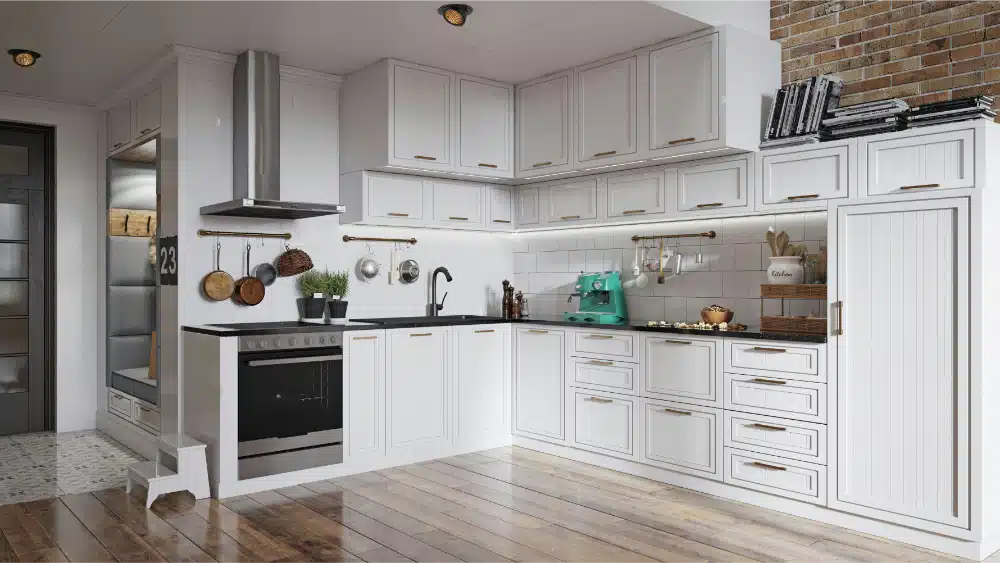
Base cabinets are typically 24 inches deep for sufficient storage and countertop support. Wall cabinets are usually 12 inches deep to prevent obstruction. Tall cabinets maintain a 24-inch depth for larger items. Choosing the right depth improves accessibility and organization.
Kitchen Cabinet Width Guide
Cabinet widths vary in 3-inch increments for flexible layout design. Narrow cabinets (9–15 inches) are ideal for spice racks or fillers. Medium widths (18–30 inches) suit most storage needs. Wider cabinets (33–42 inches) accommodate larger cookware and appliances.
Base Cabinet Height With and Without Countertops
Without countertops, base cabinets measure 34.5 inches tall. Adding a standard 1.5-inch countertop increases total height to 36 inches. This height is ergonomically designed for food preparation. Adjustments can be made with thicker countertops if needed.
How Countertop Thickness Affects Cabinet Dimensions
Countertop thickness directly impacts overall cabinet height. Standard countertops are 1 to 1.5 inches thick. Thicker countertops raise working height slightly. Proper planning ensures appliances and backsplashes align correctly.
Toe Kick Dimensions in Kitchen Cabinets
Toe kicks are areas that are set back at the bottom of cabinets. The standard toe kick height is 4 to 4.5 inches. Depth is typically 3 inches. This feature improves comfort by allowing users to stand closer to the counter.
Standard Kitchen Cabinet Door Sizes
Base cabinet doors are usually 24 inches tall when paired with a drawer. Full-height base cabinets may have 30-inch doors. Wall cabinet door heights vary based on cabinet size. Proper door sizing ensures balanced proportions.
Standard Kitchen Drawer Dimensions
Standard top drawers are about 5 to 6 inches tall. Deeper drawers range from 10 to 12 inches for pots and pans. Drawer width matches cabinet width. Well-sized drawers improve storage efficiency.
Kitchen Cabinet Dimensions for 8-Foot Ceilings
For 8-foot ceilings, 30- or 36-inch wall cabinets are common. 42-inch cabinets can extend to the ceiling without crown molding. Tall cabinets of 96 inches create a seamless look. Proper sizing prevents awkward gaps.
Kitchen Cabinet Dimensions for 9-Foot Ceilings
In 9-foot ceiling kitchens, 42-inch wall cabinets are ideal. Tall cabinets may reach 96 inches or higher with stacked designs. Additional molding enhances visual appeal. Taller dimensions maximize vertical storage.
How High Should Wall Cabinets Be Installed?
Wall cabinets are typically installed 18 inches above the countertop. This creates a total height of 54 inches from floor to cabinet bottom. Proper spacing allows a comfortable workspace. Installation height ensures accessibility.
Distance Between Countertop and Upper Cabinets
The standard distance is 18 inches between countertop and upper cabinets. This spacing accommodates small appliances. It also provides a sufficient backsplash area. Maintaining this gap improves usability.
Kitchen Cabinet Dimensions for Small Kitchens
Small kitchens benefit from narrower cabinets and shallower depths. Wall cabinets up to the ceiling increase storage. Compact layouts maximize space efficiency. Smart sizing prevents overcrowding.
Kitchen Cabinet Dimensions for Large Kitchens
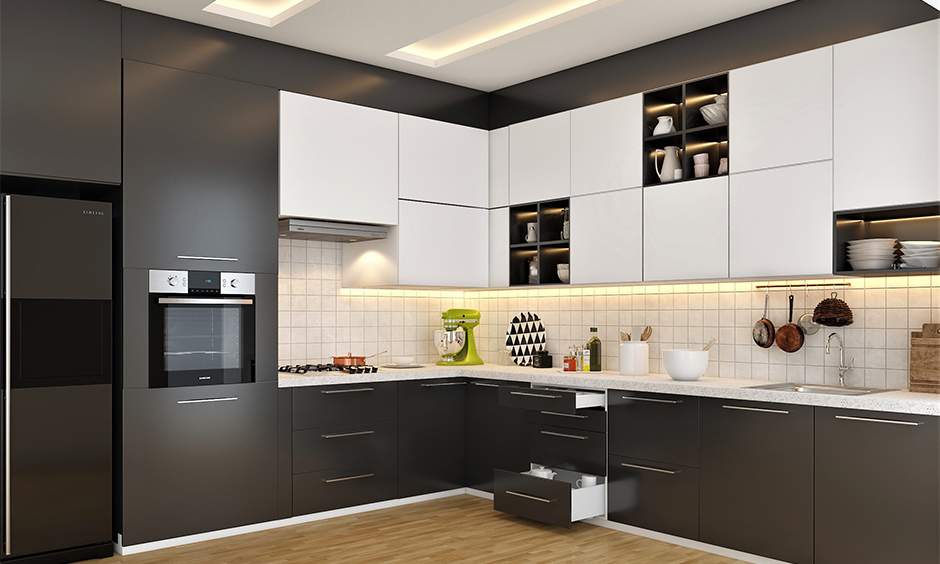
Large kitchens can accommodate wider and deeper cabinets. Oversized islands add additional storage. Tall cabinets create dramatic visual appeal. Balanced proportions prevent empty-looking spaces.
Corner Kitchen Cabinet Dimensions
Lazy Susan cabinets are typically 33 to 36 inches wide. Blind corner cabinets usually measure 36 inches wide and 24 inches deep. These dimensions maximize corner storage. Proper planning prevents wasted space.
Kitchen Island Cabinet Dimensions Guide
Standard kitchen islands are 24 inches deep with varying widths. Height typically matches base cabinets at 36 inches. Larger islands may include seating overhangs. Correct dimensions improve workflow and comfort.
Tall Oven Cabinet Dimensions and Cutout Requirements
Tall oven cabinets are usually 30 to 33 inches wide. Heights vary from 84 to 96 inches.Appliance cutouts must match manufacturer specifications. Accurate measurements ensure safe installation.
Pantry Cabinet Dimensions
The height of standard pantry cabinets is between 84 and 96 inches. Widths typically measure 18 to 36 inches. Custom cabinets allow non-standard widths and depths. Customization suits unique layouts.
Over-the-Refrigerator Cabinet Dimensions
The depth of these cabinets is typically between 12 and 24 inches. Height varies depending on ceiling height. Width matches refrigerator size. Proper sizing creates a built-in appearance.
Shallow Kitchen Cabinet Dimensions for Tight Spaces
Shallow cabinets may measure 12 inches deep. These are ideal for narrow kitchens. They provide limited but functional storage. Space-saving designs improve traffic flow.
Deep Kitchen Cabinet Dimensions for Maximum Storage
Deep cabinets typically measure 24 inches or more. They store large cookware and appliances. Pull-out shelves enhance accessibility. Deeper cabinets suit spacious kitchens.
Standard Kitchen Cabinet Dimensions Chart
Base cabinets: 34.5” H, 24” D. Wall cabinets: 12” D, 30–42” H. Tall cabinets: 84–96” H, 24” D. Widths vary from 9–42 inches.
How to Measure Kitchen Cabinet Dimensions Correctly
Measure wall length, ceiling height, and floor space. Include windows and appliance locations. Double-check dimensions before ordering cabinets. Accurate measurement prevents costly mistakes.
Common Kitchen Cabinet Sizing Mistakes to Avoid
Ignoring ceiling height causes poor alignment. Choosing incorrect depth limits functionality. Not accounting for appliances creates fitting issues. Proper planning avoids redesign costs.
Custom Kitchen Cabinet Dimensions vs Standard Sizes
Standard cabinets are affordable and readily available. Custom cabinets allow unique sizing. Customization fits irregular spaces perfectly. Budget and design goals determine the choice.
Kitchen Cabinet Dimensions for Modern Kitchen Designs
Modern kitchens favor sleek, full-height cabinets. Minimal gaps create clean lines. Wider drawers replace multiple small cabinets. Proportion and symmetry are essential.
Kitchen Cabinet Dimensions for Traditional Kitchens
Traditional kitchens often include crown molding. Standard cabinet heights maintain classic proportions. Decorative panels require precise measurements. Symmetry enhances timeless appeal.
Ergonomic Kitchen Cabinet Dimensions for Comfort
Ergonomic design prioritizes user height. Base cabinets may be slightly raised or lowered. Pull-out shelves reduce bending. Comfortable dimensions improve daily use.
Accessible Kitchen Cabinet Dimensions for Mobility Needs
Lower base cabinets improve wheelchair access. Wall cabinets may be installed lower than standard. Pull-down shelving enhances reachability. Accessibility promotes independence.
Cabinet Crown Molding and Ceiling Height Adjustments
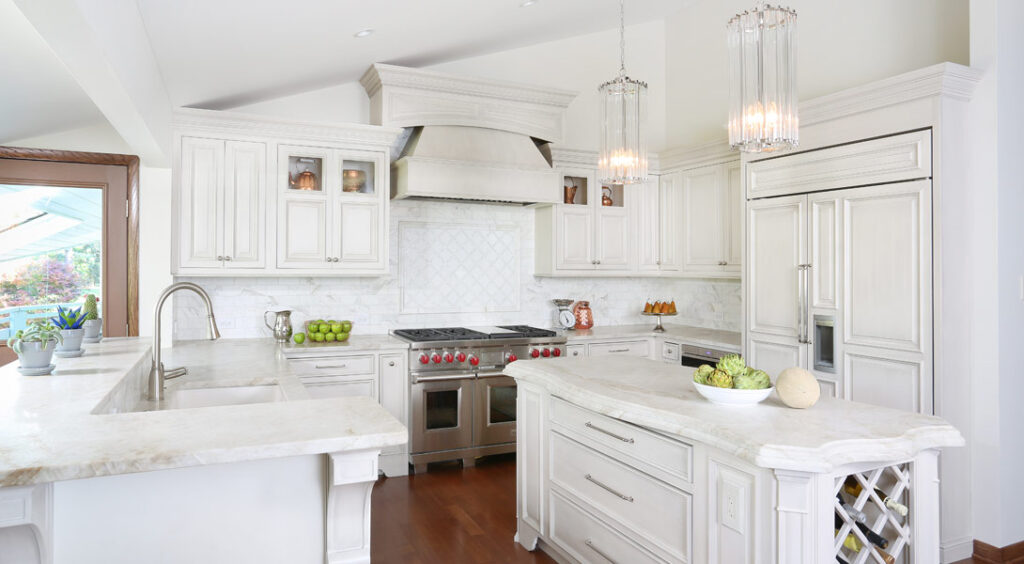
Crown molding requires space above cabinets. 36-inch cabinets suit 8-foot ceilings with molding. Taller ceilings may use stacked cabinets. Proper adjustment creates seamless finishes.
Floor-to-Ceiling Kitchen Cabinet Dimensions
Floor-to-ceiling cabinets maximize storage. Heights match ceiling measurements precisely. This style reduces dust-collecting gaps. It offers a modern, luxurious look.
Kitchen Cabinet Dimensions and Backsplash Space Planning
Backsplash height depends on cabinet spacing. Standard 18-inch gaps allow tile installation. Taller backsplashes create visual impact. Cabinet alignment ensures clean finishes.
How Cabinet Dimensions Impact Kitchen Workflow
Proper cabinet sizing improves movement efficiency. Correct spacing supports the work triangle. Adequate depth enhances accessibility. Functional dimensions boost productivity.
Budget Considerations When Choosing Cabinet Sizes
Larger cabinets increase material costs. Custom dimensions cost more than stock sizes. Standard sizing reduces expenses. Budget planning prevents overspending.
How Cabinet Dimensions Affect Storage Capacity
Deeper and taller cabinets store more items. Adjustable shelving increases flexibility. Wider cabinets reduce clutter. Smart dimensions maximize organization.
Best Cabinet Dimensions for Open Concept Kitchens
Open kitchens benefit from tall cabinets and large islands. Balanced proportions maintain flow. Consistent heights create cohesion. Strategic sizing enhances openness.
Modular Kitchen Cabinet Dimensions Guide
Modular cabinets follow standardized increments. They simplify installation and replacement. Common depths include 24 inches for base units. Modular sizing supports flexible layouts.
Kitchen Cabinet Dimensions for Built-In Appliances
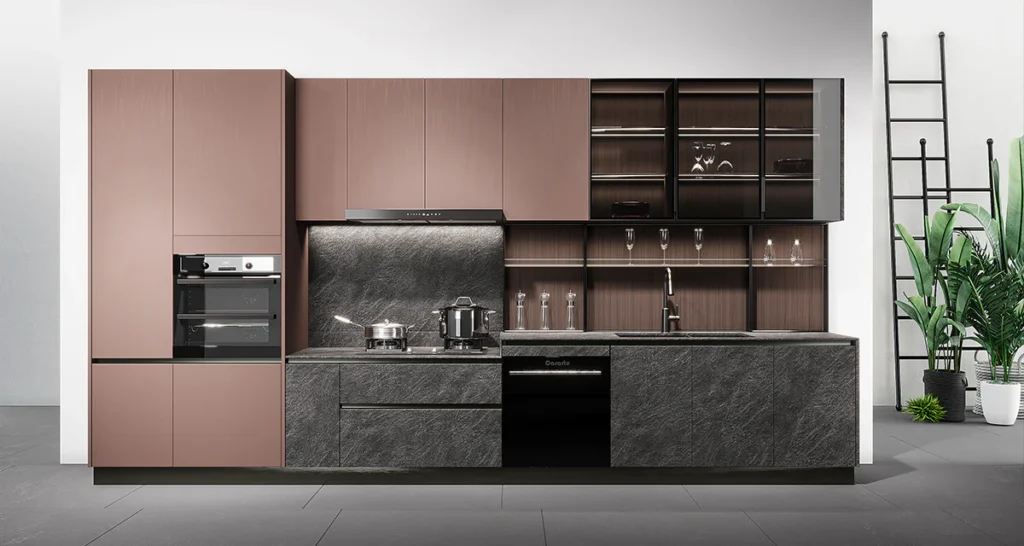
Cabinets must match appliance specifications. Oven and microwave cutouts require precision. Depth aligns with refrigerator fronts. Proper sizing ensures safety and design continuity.
How to Match Tall Cabinets with Wall Cabinet Heights
30-inch wall cabinets are paired with 84-inch tall cabinets. 90-inch tall cabinets match 36-inch wall cabinets. 96-inch tall cabinets align with 42-inch wall cabinets. Matching heights create visual harmony.
Standard Measurements for Cabinet Fillers and Spacers
Fillers typically range from 3 to 6 inches wide. They cover gaps between cabinets and walls. Proper spacing ensures door clearance. Fillers improve finished appearance.
Kitchen Cabinet Dimensions for Remodeling Projects
Remodeling requires accurate measurement of existing space. Standard sizes simplify replacement. Structural obstacles must be considered. Careful planning avoids delays.
Ready-to-Assemble (RTA) Cabinet Dimension Standards
RTA cabinets follow standard sizing guidelines. Heights, widths, and depths match stock options. They are cost-effective and easy to ship. Standardization simplifies installation.
Comparing US Standard Kitchen Cabinet Dimensions
US standards typically use 34.5-inch base height. Depth is commonly 24 inches for base cabinets. Wall cabinets are 12 inches deep. These measurements align with most appliances.
Final Checklist Before Choosing Kitchen Cabinet Dimensions
Confirm ceiling height and room measurements. Verify appliance dimensions. Ensure ergonomic comfort. Double-check alignment before final purchase.
FAQ,s
1. What are the usual dimensions for kitchen cabinets?
Standard kitchen cabinet dimensions include base cabinets at 34.5 inches high (36 inches with countertop) and 24 inches deep. Wall cabinets are typically 12 inches deep and come in heights of 30, 36, or 42 inches. Tall cabinets usually range from 84 to 96 inches in height.
2. How deep should kitchen cabinets be?
Base cabinets are generally 24 inches deep to provide enough storage and countertop support. Wall cabinets are usually 12 inches deep to allow easy access. Tall pantry cabinets commonly maintain a 24-inch depth.
3. What is the standard height of upper kitchen cabinets?
The height of upper kitchen cabinets is usually 30, 36, or 42 inches. They are installed so that the bottom sits about 54 inches from the floor. This creates an 18-inch gap between the countertop and the cabinet.
4. How wide are standard kitchen cabinets?
Standard kitchen cabinet widths usually range from 9 inches to 42 inches. Most cabinets increase in 3-inch increments. The width you choose depends on storage needs and kitchen layout.
5. What is the distance between the countertop and upper cabinets?
It is standard for the space between upper cabinets and the countertop to be 18 inches. This space provides room for small appliances and backsplash installation. It also ensures comfortable workspace access.
6. Are kitchen cabinet dimensions the same in all homes?
Most homes follow standard kitchen cabinet dimensions, especially in the US. However, custom cabinets can be built in non-standard sizes. Dimensions may also vary depending on ceiling height and kitchen design.
7. What size cabinets are best for an 8-foot ceiling?
For an 8-foot ceiling, 30- or 36-inch wall cabinets are common. If you want cabinets to reach the ceiling without crown molding, 42-inch wall cabinets are ideal. Tall cabinets of 96 inches can create a seamless look.
8. How do I measure kitchen cabinet dimensions correctly?
Measure wall length, ceiling height, and floor space carefully. Include windows, doors, and appliance locations in your measurements. Double-check all dimensions before ordering cabinets.
9. What is the standard size of a pantry cabinet?
Standard pantry cabinets are usually 84, 90, or 96 inches tall. The depth is typically 24 inches, though 12-inch options are available. Common width measurements are between 18 and 36 inches.
10. Can kitchen cabinet dimensions be customized?
Yes, kitchen cabinet dimensions can be customized to fit unique layouts. Custom cabinets allow adjustments in height, width, and depth. This option is ideal for irregular spaces or specific design preferences.
Conclusion
Understanding kitchen cabinet dimensions is essential for creating a functional and visually balanced kitchen layout. Standard measurements for base, wall, and tall cabinets ensure proper alignment, comfort, and efficient storage. By choosing the right cabinet sizes for your space and ceiling height, you can achieve both practicality and modern design appeal.