Danish223
Standard kitchen cabinet sizes refer to the common measurements used by manufacturers when designing kitchen cabinets. These dimensions ensure cabinets fit well with countertops, appliances, and kitchen layouts. Using standard sizes helps simplify kitchen planning and installation.
Standard kitchen cabinet sizes follow common industry measurements to ensure proper fit and functionality in most kitchens. Base cabinets are usually 34.5 inches high and 24 inches deep, while wall cabinets and tall cabinets vary in height depending on the kitchen layout.
In This Article We Discuss About “standard kitchen cabinet sizes”
Complete Guide to Standard Kitchen Cabinet Sizes and Dimensions
Kitchen cabinet dimensions typically include measurements for height, width, and depth. These measurements differ depending on whether the cabinet is a base, wall, or tall cabinet. Understanding these sizes helps homeowners design a functional and efficient kitchen.
Why Standard Kitchen Cabinet Sizes Matter in Kitchen Design
Standard cabinet sizes help create balanced kitchen layouts that are easy to install and maintain. They ensure compatibility with appliances, sinks, and countertops. Using standard dimensions also reduces renovation costs and simplifies replacement.
Overview of Base, Wall, and Tall Kitchen Cabinet Sizes
Kitchen cabinets are usually divided into base cabinets, wall cabinets, and tall cabinets. Base cabinets rest on the floor and provide support for countertops, whereas wall cabinets are installed above them. Tall cabinets extend from the floor toward the ceiling and are often used as pantry storage.
Standard Kitchen Cabinet Sizes Chart (Quick Reference Guide)
A standard cabinet size chart shows common measurements for all cabinet types. The usual height of base cabinets is 34.5 inches, while their depth measures 24 inches. Wall cabinets range from 12 to 42 inches in height, while tall cabinets are usually 84 to 96 inches high.
Standard Base Kitchen Cabinet Sizes Explained
Base cabinets form the foundation of kitchen cabinetry and support countertops and appliances. These cabinets usually measure 34.5 inches in height and 24 inches in depth. Width options vary depending on the kitchen layout and storage needs.
Standard Base Cabinet Height for Modern Kitchens
The typical base cabinet height without a countertop is about 34.5 inches. When a countertop is added, the total working height becomes about 36 inches. This height provides a comfortable workspace for most kitchen tasks.
Standard Base Cabinet Depth and Why It Matters
The standard depth of base cabinets is around 24 inches. This measurement allows easy access to stored items while maximizing storage capacity. Countertops usually add a small overhang, increasing the total depth slightly.
Standard Sink Base Cabinet Sizes
Sink base cabinets are specially designed to hold kitchen sinks and plumbing components. They are usually wider than regular cabinets to accommodate different sink sizes. Standard widths often range from 30 to 36 inches.
Standard Corner Base Cabinet Sizes
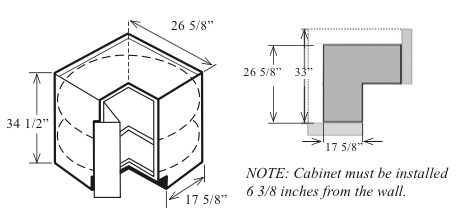
Corner base cabinets help maximize storage in kitchen corners that might otherwise be wasted. These cabinets are designed with special shapes to fit corner spaces. Standard widths often range between 33 and 36 inches.
Lazy Susan Base Cabinet Standard Dimensions
Lazy Susan cabinets are popular corner cabinets that feature rotating shelves. These shelves make it easier to access items stored deep inside the cabinet. Standard Lazy Susan cabinets usually measure about 33 to 36 inches wide.
Blind Corner Cabinet Standard Sizes
Blind corner cabinets use hidden storage space in kitchen corners. One section of the cabinet is partially concealed but still accessible with pull-out shelves. Standard blind corner cabinets are typically about 36 inches wide and 24 inches deep.
Standard Drawer Base Cabinet Sizes
Drawer base cabinets are used for storing utensils, cookware, and kitchen tools. They often include multiple drawers stacked vertically for better organization. These cabinets follow the same height and depth as standard base cabinets.
Standard Wall Kitchen Cabinet Sizes Explained
Wall cabinets are mounted on the wall above countertops to provide extra storage. They are usually shallower than base cabinets to prevent obstruction while cooking. Standard heights range from 12 to 42 inches.
Standard Wall Cabinet Height Options
Wall cabinet heights vary depending on ceiling height and kitchen design. Common sizes include 12, 15, 18, 24, 30, 36, and 42 inches. Taller cabinets offer more storage space and can reach closer to the ceiling.
Standard Wall Cabinet Depth Measurements
Most wall cabinets have a depth of about 12 inches, which facilitates easy access to their contents. Some cabinets installed above refrigerators may have depths up to 24 inches. This depth difference helps align cabinets with large appliances.
Standard Wall Cabinet Width Guide
Wall cabinet widths usually range from 12 to 36 inches. Narrow cabinets are often used for spices or small storage areas. Wider cabinets provide larger storage areas and often include double doors.
Standard Upper Kitchen Cabinet Sizes for Storage
Upper cabinets are another name for wall cabinets placed above countertops. They are designed to store dishes, glasses, and pantry items. Standard sizes help maintain proper spacing and balance in the kitchen layout.
Standard Cabinet Height Above Countertop
Wall cabinets are typically installed about 18 inches above the countertop. This spacing allows enough room for a backsplash and comfortable working space. It also keeps cabinets easily accessible while cooking.
Distance Between Base Cabinets and Upper Cabinets
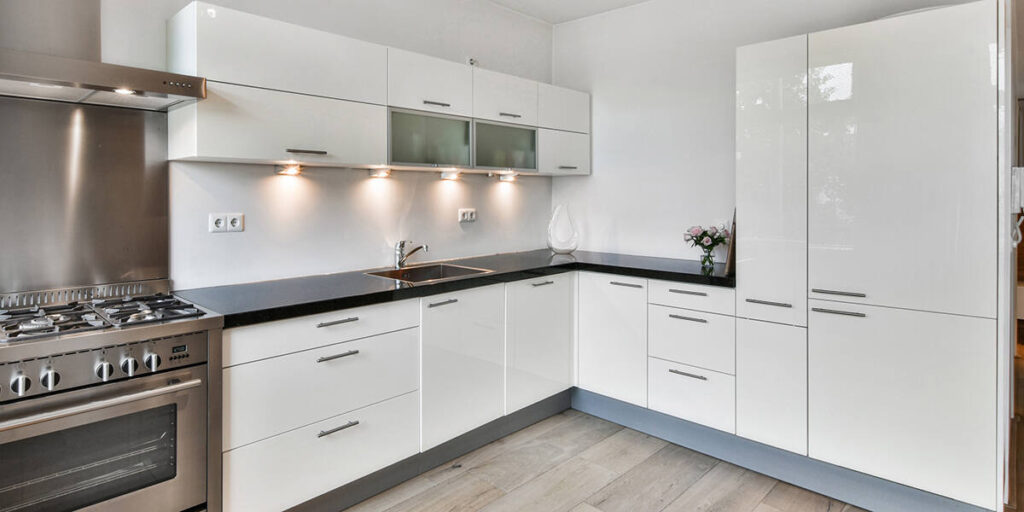
The standard gap between base cabinets and upper cabinets is about 18 inches. This spacing provides enough room for small appliances and food preparation. Maintaining this distance also improves kitchen ergonomics.
Standard Tall Kitchen Cabinet Sizes Explained
Pantry or utility storage often utilizes tall cabinets. They extend from the floor and may reach near the ceiling. Standard heights usually range from 84 to 96 inches.
Standard Pantry Cabinet Sizes for Kitchen Storage
Pantry cabinets are tall cabinets used for storing dry foods and kitchen supplies. They typically measure 84 to 96 inches in height and 12 to 24 inches in depth. These cabinets provide significant vertical storage space.
Standard Utility Cabinet Dimensions
Utility cabinets are designed for storing cleaning supplies, brooms, and household tools. They are often taller and deeper than wall cabinets. Standard sizes allow them to fit easily within most kitchen layouts.
Standard Oven Cabinet Sizes for Built-In Appliances
Oven cabinets are built to accommodate wall ovens or microwave oven combinations. These cabinets are usually designed with specific cutouts to match appliance sizes. Standard widths often include 24, 27, and 30 inches.
Standard Microwave Cabinet Sizes
Microwave cabinets are designed to safely house built-in microwave units. They may be installed within wall cabinets or tall cabinets. Standard widths often match common appliance sizes.
Standard Refrigerator Cabinet Dimensions
Refrigerator cabinets are built to surround or fit above refrigerators. For a built-in appearance, these cabinets are typically the same depth as the refrigerator. Width and height vary depending on appliance size.
Standard Kitchen Island Cabinet Sizes
Kitchen islands often use standard base cabinets for construction. These cabinets usually follow the same height and depth measurements as other base cabinets. Island designs may combine multiple cabinets for additional storage.
Standard Cabinet Sizes for Small Kitchens
Small kitchens benefit from compact cabinet sizes that maximize storage without overcrowding the space. Narrow cabinets and shallow depths are often used in these layouts. Efficient cabinet sizing improves workflow and organization.
Standard Cabinet Sizes for Large Kitchens
Large kitchens allow for wider cabinets and additional storage features. Designers often use larger base cabinets and tall pantry units. This helps create a balanced layout while maximizing storage capacity.
Standard Cabinet Dimensions for 8-Foot Ceilings
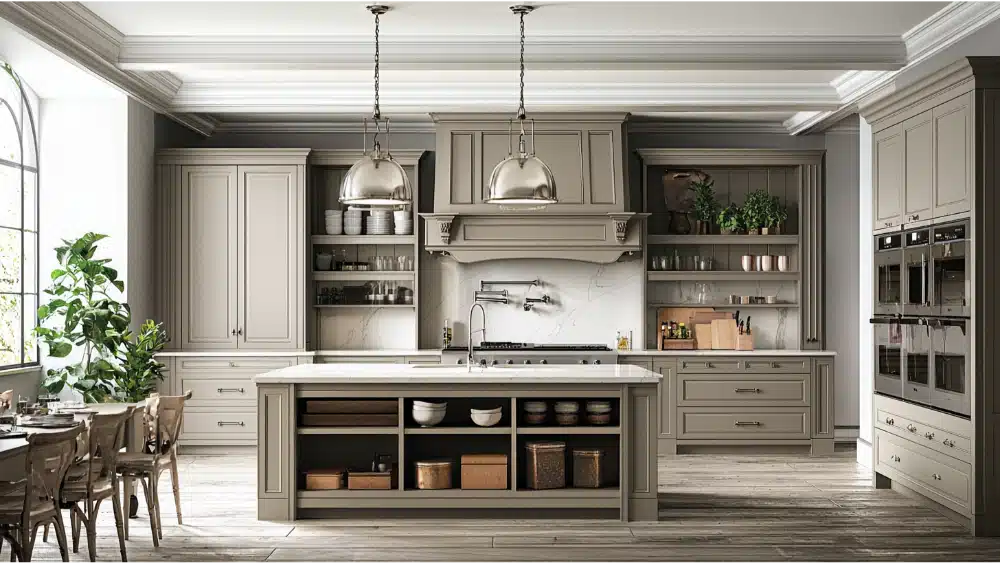
Kitchens with 8-foot ceilings typically use 30- or 36-inch wall cabinets. These sizes leave space above the cabinets for soffits or decorative molding. The layout keeps the kitchen visually balanced.
Standard Cabinet Dimensions for 9-Foot Ceilings
Higher ceilings allow the use of taller wall cabinets, such as 42-inch models. These cabinets extend closer to the ceiling and provide extra storage space. Designers may also stack cabinets for a modern look.
Standard Cabinet Sizes with Crown Molding
Crown molding is often added above wall cabinets for a finished appearance. Cabinet heights must be planned carefully to accommodate this decorative trim. Standard cabinet sizes usually leave space for molding installation.
Standard Cabinet Toe Kick Dimensions
The recessed area at the bottom of base cabinets is known as the toe kick. It provides space for your feet when standing close to the countertop. Standard toe kicks are about 4 to 4.5 inches high.
Standard Kitchen Cabinet Door Sizes
Cabinet door sizes vary depending on cabinet type and design. Most base cabinet doors measure around 24 to 30 inches in height. Door widths are determined by the cabinet width and style.
Standard Kitchen Cabinet Drawer Dimensions
Kitchen drawers are designed for storing utensils, tools, and cookware. Drawer heights often vary depending on the cabinet design. Standard widths typically match the cabinet size.
Stock vs Semi-Custom Cabinet Sizes
Stock cabinets are pre-made in standard sizes and are widely available. Semi-custom cabinets allow limited adjustments in dimensions and finishes. Both options usually follow standard sizing guidelines.
Standard vs Custom Kitchen Cabinet Dimensions
Standard cabinets are produced in common sizes that fit most kitchens. Custom cabinets are made specifically to match unique layouts or design preferences. While custom cabinets offer flexibility, they are usually more expensive.
Common Materials Used for Standard Kitchen Cabinets
Kitchen cabinets are commonly made from solid wood, plywood, MDF, or particleboard. Each material has varying degrees of durability and cost. The cabinet’s durability and sturdiness are influenced by the material selected.
How to Measure for Standard Kitchen Cabinet Sizes
Accurate measurements are essential before ordering kitchen cabinets. Measure the width, height, and depth of the available space carefully. This ensures the cabinets fit properly and function efficiently.
Tips for Choosing the Right Cabinet Sizes for Your Kitchen
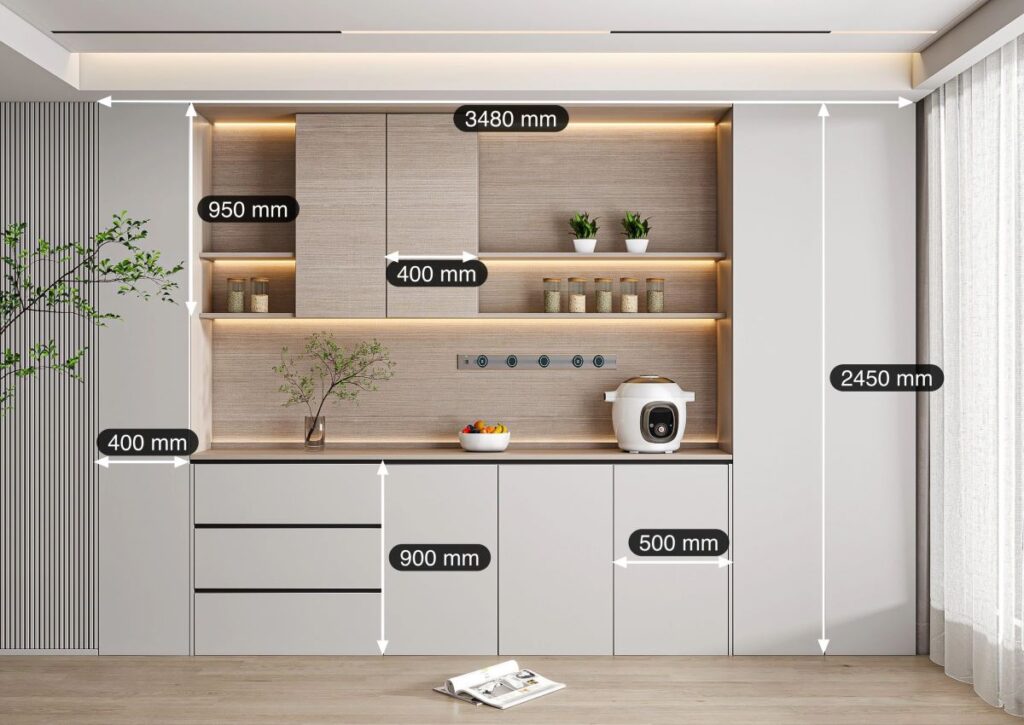
Choosing the right cabinet sizes depends on your kitchen layout and storage needs. Consider appliance sizes, ceiling height, and available space. Planning carefully helps create a functional and comfortable kitchen.
Standard Kitchen Cabinet Spacing and Clearance Guidelines
Proper spacing between cabinets ensures smooth movement within the kitchen. Designers often recommend 42 to 48 inches of walkway space. This allows multiple people to work comfortably in the kitchen.
Kitchen Cabinet Size Mistakes to Avoid
Poorly sized cabinets can result in inadequate functionality and unused space.Common mistakes include choosing cabinets that are too deep or too tall for the room. Proper planning helps avoid these issues.
Best Cabinet Size Combinations for Efficient Storage
Combining different cabinet sizes helps maximize kitchen storage. For example, mixing base cabinets with tall pantry cabinets creates balanced storage solutions. Strategic sizing improves both accessibility and organization.
Standard Cabinet Sizes for Kitchen Remodel Projects
Standard cabinet sizes are commonly used in kitchen remodeling projects. They simplify installation and ensure compatibility with existing appliances. Many homeowners choose these cabinets for cost efficiency.
How Cabinet Sizes Affect Kitchen Layout and Workflow
Cabinet dimensions play a major role in how a kitchen functions. Proper sizing ensures enough workspace and easy access to storage areas. A well-planned layout improves the overall cooking experience.
Standard Kitchen Cabinet Sizes for Modern Kitchens
Modern kitchens often use a mix of standard cabinet sizes to create clean and functional designs. Designers may include taller cabinets and wider drawers for better storage. Standard sizing still forms the foundation of these layouts.
Frequently Used Kitchen Cabinet Size Configurations
Many kitchens follow common cabinet configurations for efficiency. These combinations include base cabinets with upper cabinets and a tall pantry unit. Such layouts create a practical and balanced kitchen design.
Kitchen Cabinet Size Planning Checklist
Planning cabinet sizes requires careful measurement and layout design. Consider appliance placement, storage needs, and ceiling height. A checklist helps ensure every cabinet fits properly in the kitchen.
Final Thoughts on Standard Kitchen Cabinet Sizes
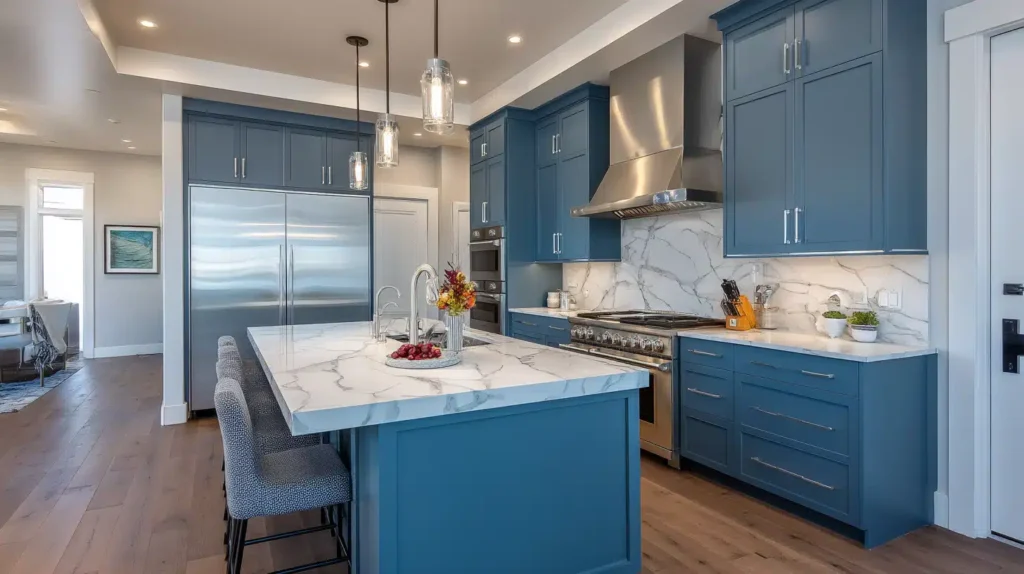
Understanding standard kitchen cabinet sizes helps homeowners plan functional kitchens. These measurements simplify design, installation, and remodeling projects. Choosing the right cabinet sizes ensures both efficiency and visual balance in your kitchen.
FAQ,s
1. What are the standard sizes for kitchen cabinets?
Standard kitchen cabinets come in three main types: base, wall, and tall cabinets.The usual height of base cabinets is 34.5 inches, while their depth measures 24 inches. Wall cabinets range from 12 to 42 inches in height, while tall cabinets usually measure 84 to 96 inches high.
2. What is the standard height of kitchen base cabinets?
The standard height of kitchen base cabinets without a countertop is about 34.5 inches. When a countertop is installed, the total height becomes around 36 inches. This height is considered comfortable for most kitchen tasks.
3. How deep are standard kitchen cabinets?
Base cabinets usually have a depth of 24 inches, while wall cabinets are typically 12 inches deep. Some wall cabinets above refrigerators may have a depth of up to 24 inches. These measurements allow easy access and efficient storage.
4. What is the standard distance between countertops and upper cabinets?
The typical space between the countertop and upper cabinets is about 18 inches. This spacing provides enough room for kitchen appliances and food preparation. It also allows easy access to items stored in the cabinets.
5. What are standard wall cabinet sizes?
Standard wall cabinets generally range from 12 to 42 inches in height. Their width can vary from 12 to 36 inches depending on the design. The standard depth is usually around 12 inches.
6. What is the standard height for tall kitchen cabinets?
Tall kitchen cabinets usually measure between 84 and 96 inches in height. These cabinets are often used as pantry or utility storage. Their depth is commonly 12 or 24 inches.
7. Are all kitchen cabinets 24 inches deep?
Kitchen cabinets do not all have a depth of 24 inches. Base cabinets are typically 24 inches deep, but wall cabinets are usually only 12 inches deep. Some specialized cabinets may have different depths depending on their purpose.
8. What width options are available for kitchen cabinets?
Kitchen cabinets come in various widths to fit different layouts. Common sizes include 12, 18, 24, 30, 33, and 36 inches. Wider cabinets provide more storage space while narrower cabinets fit tight areas.
9. Can kitchen cabinets be customized beyond standard sizes?
Yes, many manufacturers offer custom or semi-custom cabinets. These cabinets can be adjusted in width, height, or depth to fit unique kitchen layouts. However, custom cabinets are usually more expensive than standard ones.
10. Why are standard kitchen cabinet sizes important?
Standard cabinet sizes make kitchen planning easier and more efficient. They ensure compatibility with appliances, countertops, and kitchen layouts. Using standard sizes also reduces installation time and overall remodeling costs.
Conclusion
Standard kitchen cabinet sizes play an important role in creating a functional and well-organized kitchen layout. Understanding these dimensions helps ensure cabinets fit properly with appliances, countertops, and available space. By choosing the right cabinet sizes, you can design a kitchen that is both efficient and visually balanced.