Danish223
Most kitchen sinks follow a standard drain size, but not every sink or drain system is truly universal. Variations in sink thickness, material, and design can affect compatibility. This is why checking specifications before installation is essential.
Most kitchen sink drains are standard 3.5-inch openings, making them compatible with most strainers and garbage disposals. However, sink thickness, material, or custom designs may require adapters or extended drains.
In This Article We Discuss”Are Kitchen Sink Drains Universal?”
What “Universal” Means in Kitchen Drain Standards
“Universal” generally refers to common sizing that fits most modern sinks, typically the 3.5-inch opening. However, universal doesn’t guarantee perfect compatibility with every model or manufacturer. Some sinks still require special fittings or adapters.
Standard Kitchen Sink Drain Sizes Explained
The most widely accepted kitchen drain size is 3.5 inches in diameter. This size accommodates standard basket strainers and most garbage disposals. While widely used in North America, some international sinks may differ.
Are All 3.5-Inch Drain Openings the Same?
While the diameter is standardized, the flange thickness and threading can vary. Differences in manufacturing lead to slightly different fits in some sinks. Always verify the drain specifications before buying.
Do All Kitchen Sinks Fit Standard Basket Strainers?

Most kitchen sinks accept a standard basket strainer, but deeper or thicker sinks may need extended flange versions. Materials like fireclay or stone often require longer or reinforced strainers. Compatibility depends on both sink thickness and design.
Are Garbage Disposal Drains Universal?
Most garbage disposals fit the standard 3.5-inch drain opening, making them widely compatible. However, their mounting systems can vary between brands. Choosing a disposal with a universal or 3-bolt mount helps avoid fitting issues.
Compatibility Differences Between Disposals and Standard Drains
Standard drains rely on strainers, while disposals require a flange and mount system. The weight and alignment of disposals demand stronger hardware. This leads to small variations you must match with your sink type.
Why Some Sinks Require Extended Drain Flanges
Thicker sinks made of stone, fireclay, or cast iron need longer flanges for a proper seal. Standard flanges are too short to reach through these dense materials. Extended versions prevent leaks and ensure secure installation.
Is Your Sink Too Thick for a Standard Drain?
If your sink is over 1 inch thick, a standard flange may not tighten correctly. This causes leaks or a loose drain assembly. Always measure the thickness before buying a drain kit.
How Sink Material Affects Drain Compatibility
Certain materials like granite, fireclay, and concrete require special drain kits. These materials affect how well the gasket seals against the sink surface. Stainless steel sinks are usually the easiest to match with universal drains.
Are Imported Kitchen Sink Drains Universal?
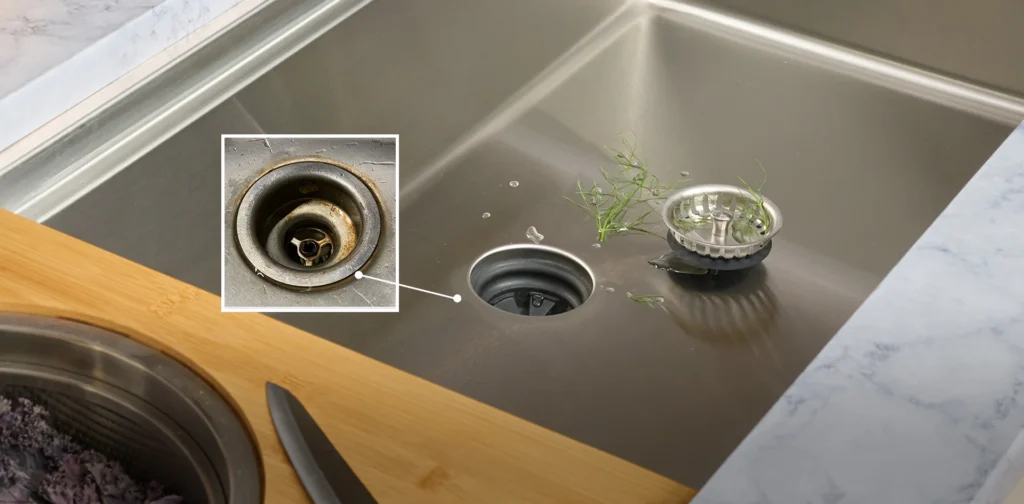
Imported sinks often use metric sizes instead of U.S. standards. This can create issues with threading, flange length, and pipe diameter. Adapters or custom drain kits may be necessary.
U.S. vs. European Kitchen Sink Drain Standards
U.S. drains typically follow the 3.5-inch standard, while many European sinks use 90mm openings. Although close in size, they’re not identical. This size difference can affect compatibility with American disposals and strainers.
Does Drain Placement Affect Universality?
Yes, the position of the drain—center, offset, or corner—can affect plumbing alignment. The drain opening size may be universal, but the under-sink configuration may not be. Custom routing or extension pipes may be needed.
Rear-Offset Drains vs. Center Drains: What’s Different?
Rear-offset drains offer more cabinet space but require adjusted plumbing lines. Center drains align with traditional P-trap placements. Universality applies to size, not plumbing layout.
Are Double-Basin Sink Drains Universal?
Double-basin sinks usually share the standard 3.5-inch openings but need additional parts like T-connectors. Some basins use a disposal on one side and a strainer on the other. The universal size applies, but the configuration varies.
Standard Drainpipe Sizes for Kitchen Sinks
Most kitchen drainpipes use 1.5-inch diameter piping. This size connects directly to standard P-traps and tailpieces. Although widely universal, older homes may use different sizes.
Are Kitchen Sink P-Traps Universal?
Most P-traps are standardized at 1.5 inches for kitchen use. However, materials—PVC, ABS, or metal—may differ. Compatibility depends more on connection type than trap size.
Tailpiece Diameter Requirements You Must Know
Kitchen tailpieces are typically 1.5 inches, aligning with drainpipe standards. Tailpiece length may vary depending on sink depth. Ensuring proper alignment prevents leaks and misfits.
Universal Drain Flange Types and Their Uses
Universal flanges are designed to fit most sink openings and allow smooth sealing. They come in different lengths for different sink materials. Choosing the right type prevents installation complications.
What Makes a Drain Non-Universal?
Non-standard materials, unusual thickness, and international sizing all contribute. Custom or handmade sinks often require unique drain parts. Threading type also affects universality.
Common Problems When Drains Don’t Fit
Leaks, loose fittings, and improper alignment are common issues. Using the wrong flange can prevent the drain from tightening correctly. Adapters may be needed to correct mismatches.
Do Farmhouse Sinks Use Universal Drains?
Most farmhouse sinks still use the standard 3.5-inch drain opening. However, their thick apron-front design often requires extended drain flanges. Always measure thickness before purchasing a drain kit.
Universal Drain Options for Fireclay and Stone Sinks
Fireclay and stone sinks need longer flanges due to their heavy, thick construction. Universal extended kits are designed specifically for these materials. Proper sealing is crucial to prevent long-term leaks.
Are Stainless Steel Sinks More Compatible?
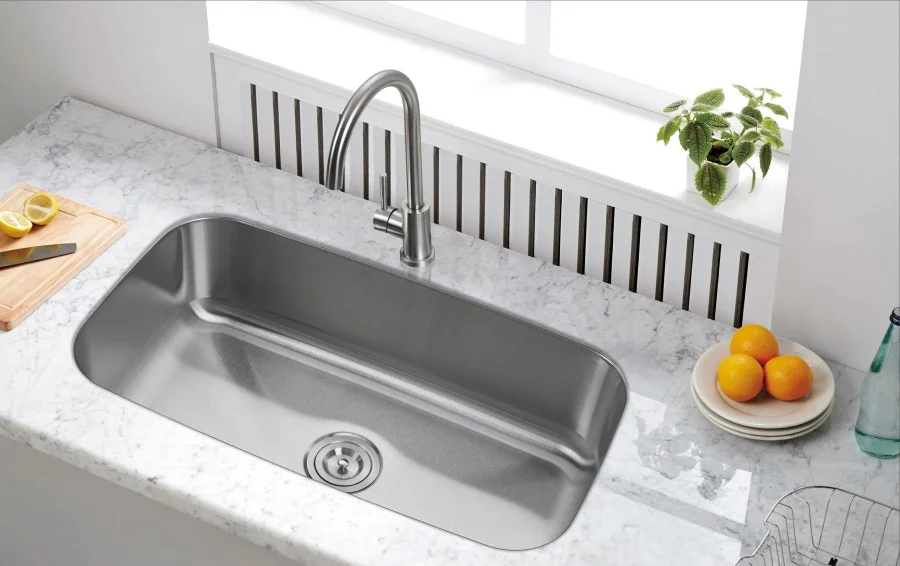
Stainless steel sinks are generally the easiest to fit with universal drains. Their thin material allows standard flanges to tighten securely. This makes them the most “truly universal” option in most kitchens.
Can Any Drain Fit a Cast Iron Sink?
Cast iron sinks may accept universal drains, but thickness varies by brand. Heavy glazing can make the drain opening deeper than expected. Extended or reinforced flanges may be required for a secure seal.
When You Need Adapter Kits for Your Kitchen Drain
Adapters are necessary when drain threading doesn’t match U.S. plumbing standards. Imported sinks and specialty materials often require these kits. They help bridge the gap between metric and standard fittings.
Are Deep Sinks Compatible with Standard Drain Kits?
Deep sinks often need longer tailpieces due to their increased depth. Standard drain kits usually work but may require extension tubes. Ensure the P-trap aligns properly with the tailpiece.
Universal vs. Specialty Drain Fittings Compared
Universal fittings work for most standard sinks, while specialty drains target specific materials or designs. Specialty options may cost more but offer better sealing for non-standard setups. Choosing the right type prevents leakage and installation issues.
Is It Possible to Install a Garbage Disposal on Any Sink?
Most modern sinks accept disposals, but extremely thick or fragile materials may need modification. The mounting system must match the sink’s drain opening. Some sinks require reinforced support for heavier disposal units.
Standardized Garbage Disposal Mount Systems Explained
Most garbage disposals use either a 3-bolt or EZ-mount system. These mounts fit standard 3.5-inch openings, making them widely compatible. Always check your disposal brand’s mounting requirements before installation.
Do Universal Drains Work With Thick Countertops?
Thick countertops like quartz or granite may push the sink higher, affecting drain alignment. Universal drains still fit, but extensions might be required. Always measure vertical clearance beneath the sink.
What to Check Before Buying a Kitchen Drain
Measure the sink thickness, drain opening, and tailpiece height. Verify whether you’re installing a disposal or a standard strainer. These small checks prevent installation problems later.
Most Common Kitchen Drain Sizes Worldwide
The U.S. standard is 3.5 inches, while Europe typically uses 90mm. Although similar, they are not identical. This difference affects compatibility when importing sinks.
Are Undermount Sink Drains Universal?
Undermount sinks still use the same drain opening sizes as top-mount sinks. However, installation angles and clearance may differ. The opening is universal, but plumbing alignment varies.
Important Measurements for Ensuring Drain Compatibility
Measure the opening diameter, sink thickness, and tailpiece drop. Each measurement determines whether you can use a standard or extended drain. Small differences can affect the entire setup.
How to Tell If Your Drain Is Standard or Special
Check the stamped dimensions or manufacturer’s specifications. Standard U.S. drains are 3.5 inches, while special drains include metric or oversized versions. Unusual threading also indicates a specialty drain.
Universal Drain Options for Modern Sink Designs
Modern sinks with offset or multi-level designs often still use standard drain openings. However, the plumbing may require adjustable fittings. Universal kits offer flexibility for these layouts.
Do Handmade or Custom Sinks Use Standard Drains?
Handmade sinks frequently use non-standard measurements due to custom craftsmanship. Drain openings may vary slightly in size or shape. Always measure before purchasing hardware.
Are All Kitchen Sink Strainer Baskets Standard Size?
Most baskets fit the universal 3.5-inch opening. However, deeper or decorative strainers may require compatible flanges. Some designer brands use unique dimensions.
When a Slip-Joint Fitting May Not Be Universal

Slip-joint fittings vary by pipe material and threading. Older homes may use incompatible pipe types or outdated dimensions. Replacement may require adapters or new piping
How Plumbing Codes Influence Drain Compatibility
Local plumbing codes define acceptable pipe sizes and installation methods. These codes ensure safety but may limit your drain options. Always verify compliance before installation.
Are Universal Drains Leak-Proof on All Sink Types?
Universal drains are designed to seal well, but thick or uneven sink materials may require better gaskets. A proper seal depends on surface smoothness and flange depth. Extra washers may improve sealing.
The Role of Rubber Gaskets in Universal Drain Systems
Rubber gaskets help create a watertight seal between the sink and the drain flange. Their flexibility allows them to adapt to different materials. Worn or thin gaskets can cause leaks.
Why Universal Drains Don’t Always Fit Perfectly
Differences in thickness, material, and manufacturing standards create fitting issues. Minor variations can prevent proper tightening or sealing. Using the right flange type solves most problems.
Choosing the Right Drain for Non-Standard Sinks
Measure carefully and choose extended or specialized kits when needed. Non-standard sinks often require reinforced hardware. Selecting the correct parts ensures long-term durability.
Are Drop-In Sink Drains Universal?
Drop-in sinks typically follow the standard 3.5-inch drain size. Their thinner edges make installation easier. Universality applies more consistently to drop-in styles.
Understanding Drain Compatibility Before Installation
Review product specifications, measurements, and mounting types. Small mismatches can delay installation. Proper preparation ensures trouble-free fitting.
Universal Drain Features Every Homeowner Should Know
Standard sizing, common threading, and interchangeable components define universal drains. These features make them easy to install and replace. They’re designed to work with most modern sinks.
Expert Tips for Choosing a Truly Universal Drain
Always verify sink thickness, check mounting style, and inspect gasket quality. Choose stainless steel or brass for long-term reliability. Matching your sink material ensures a better fit.
Are Kitchen Sink Drains Universal? Final Answer & Key Insights
Most kitchen sink drains are universal in size, but not always in compatibility. Material, thickness, and design can create exceptions. With proper measurement, nearly any drain can be installed successfully.
FAQ’s
1. Are all kitchen sink drains the same size?
Most kitchen sinks use the standard 3.5-inch drain opening found in U.S. homes.
However, imported sinks or custom-made sinks may have different measurements.
This is why measuring the drain opening before buying parts is important.
2. Do garbage disposals fit all kitchen sinks?
Most disposals are designed to fit the standard 3.5-inch drain opening.
But very thick sinks or specialty materials might require extended flanges.
Always check the disposal’s mount type to ensure proper compatibility.
3. Can a standard drain fit a fireclay or stone sink?
Fireclay and stone sinks are much thicker than stainless steel sinks.
Standard drains may not reach through the material to tighten correctly.
Extended flanges are usually required to ensure a proper, leak-free seal.
4. Are European kitchen sinks compatible with U.S. drains?
European sinks often use a 90mm drain opening, which looks similar but is different.
This size difference means U.S. strainers or disposals may not fit properly.
Adapters or special drain kits are usually needed for compatibility.
5. How do I know if my sink needs a special drain?
Check the sink thickness, material type, and manufacturer’s specifications.
Sinks made of stone, concrete, or fireclay often need special drain kits.
If the flange cannot tighten fully, your sink likely needs extended hardware.
6. Is the P-trap size universal for kitchen sinks?
Most kitchen P-traps use a 1.5-inch pipe diameter, which is standard in the U.S.
This size works with most modern plumbing systems and tailpieces.
Older homes or imported plumbing may require adapters to fit properly.
7. Can I install a garbage disposal on any sink?
Most sinks with a 3.5-inch opening can support a garbage disposal.
However, extra-thick sinks may need reinforced mounts or longer fittings.
Check the sink’s material and thickness before installing a disposal unit.
8. Why doesn’t my new drain fit even though it’s “universal”?
Universal drains match size, but not always thickness or threading.
Some sinks have uneven surfaces or extra-deep openings that cause problems.
Using the correct flange or gasket usually solves these fitting issues.
9. Are double-basin sink drains universal?
Both basins typically use standard 3.5-inch openings for drain installation.
However, the plumbing beneath may require special connectors or T-joints.
Configuration, not size, is usually the part that varies with double sinks.
10. Do undermount sinks use universal drains?
Undermount sinks still follow the standard 3.5-inch drain opening size.
The difference lies in how the plumbing aligns under the countertop.
You may need extension pipes or angled fittings depending on cabinet height.
Conclusion
Most kitchen sinks use a universal 3.5-inch drain size, making them compatible with most strainers and garbage disposals. However, sink thickness, material, and unique designs can affect fit, so it’s important to check measurements and specifications before installation. By choosing the right drain components and understanding your sink’s requirements, you can ensure a secure, leak-free, and long-lasting setup.