Danish223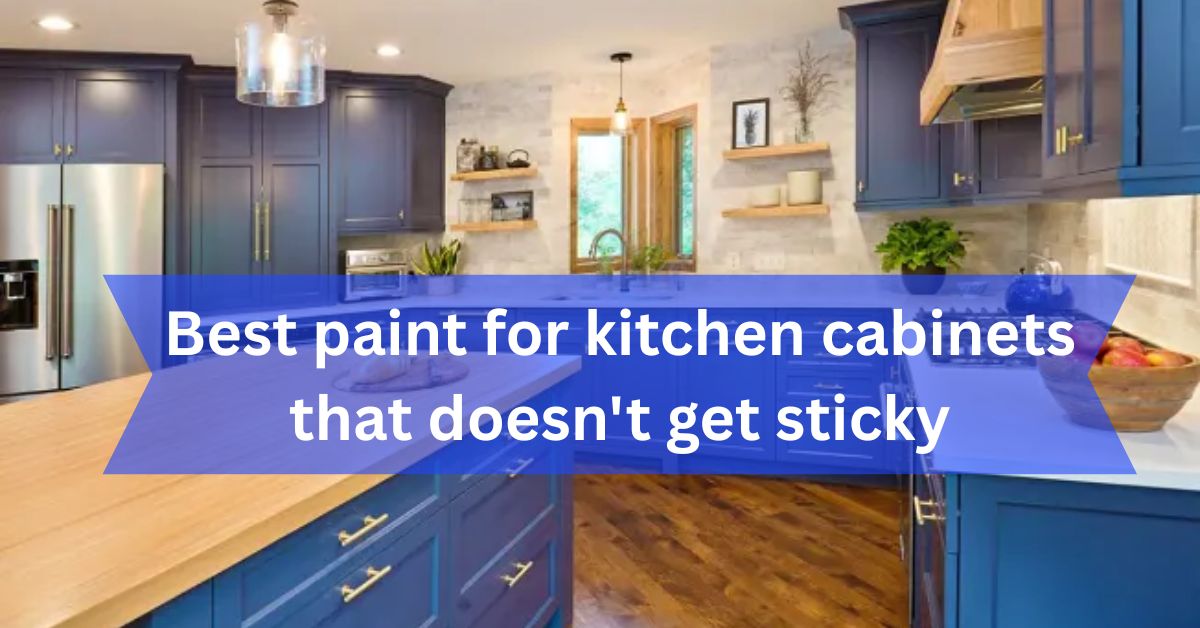
The best paint for kitchen cabinets that doesn’t get sticky is a high-quality urethane enamel or waterborne alkyd paint that cures to a hard, durable finish. Even in humid kitchens, these paints don’t stick and dry smoothly. Products like Sherwin-Williams Emerald Urethane Trim Enamel and Benjamin Moore Advance are specifically formulated for cabinetry. They level beautifully and cure into a factory-like enamel surface that doesn’t gum up over time.
The right answer is to use a high-quality urethane enamel or waterborne alkyd paint that is specifically designed for cabinets and trim. These paints cure hard, resist stickiness, and provide a smooth factory-like finish when applied correctly. Proper sanding, priming, thin coat application, and adequate curing time are essential to prevent tacky surfaces. Premium options like Sherwin-Williams Emerald Urethane Trim Enamel and Benjamin Moore Advance deliver the best non-sticky results for kitchen cabinets.
In This Article We Discuss About “best paint for kitchen cabinets that doesn’t get sticky”
Why Kitchen Cabinet Paint Gets Sticky (And How to Prevent It)
Cabinet paint becomes sticky when it hasn’t fully cured, is applied too thickly, or is exposed to humidity before hardening. Low-quality latex paints often remain soft and tacky for weeks. To prevent this, use enamel-based cabinet paint, apply thin coats, and allow proper curing time. Good ventilation and controlled temperature also help eliminate long-term stickiness.
Best Non-Sticky Cabinet Paint for a Smooth Factory Finish
For a factory-smooth, non-sticky result, urethane trim enamels are the top choice among professionals. They self-level to eliminate brush marks and cure to a hard shell. Unlike wall paint, these coatings are designed for high-touch surfaces. The result is a silky, durable finish that won’t feel tacky when doors and drawers close.
Water-Based vs Alkyd Paint
Traditional water-based latex paint dries fast but often remains soft under pressure. Waterborne alkyd paint behaves like oil paint while cleaning up with water. Alkyd formulas cure harder and resist blocking (doors sticking together). If you want cabinets that feel smooth and solid, alkyd-based enamel is the safer choice.
Best Urethane Enamel Paint That Doesn’t Stay Sticky
Urethane enamel paints are engineered for trim, doors, and cabinets that need durability. Sherwin-Williams Emerald Urethane Trim Enamel is widely praised for its hard finish and resistance to tackiness. It dries to the touch quickly but requires several days to cure completely. Once cured, it feels solid and smooth rather than rubbery.
How to Choose Cabinet Paint That Cures Hard and Non-Tacky
Look for labels that mention “alkyd,” “urethane,” or “cabinet and trim enamel.” These paints are designed to harden rather than remain flexible like wall paint. Check the curing time and durability rating before buying. Investing in premium cabinet paint prevents sticky frustration later.
Does Latex Paint Make Kitchen Cabinets Sticky?
Standard latex wall paint can make cabinets feel sticky, especially in warm climates. It dries fast but does not cure as hard as enamel formulas. Over time, cabinet doors may stick to frames or shelves may grip dishes. That’s why latex is not recommended for high-contact cabinetry surfaces.
Best Cabinet Paint for High Humidity Kitchens
High humidity slows curing and increases the chance of tacky surfaces. Urethane enamel and waterborne alkyd paints perform better in moisture-heavy environments. They resist blocking even when exposed to steam and cooking heat. Proper airflow and dehumidifiers can further protect your finish.
How Long Does Cabinet Paint Take to Fully Cure (And Stop Sticking)?
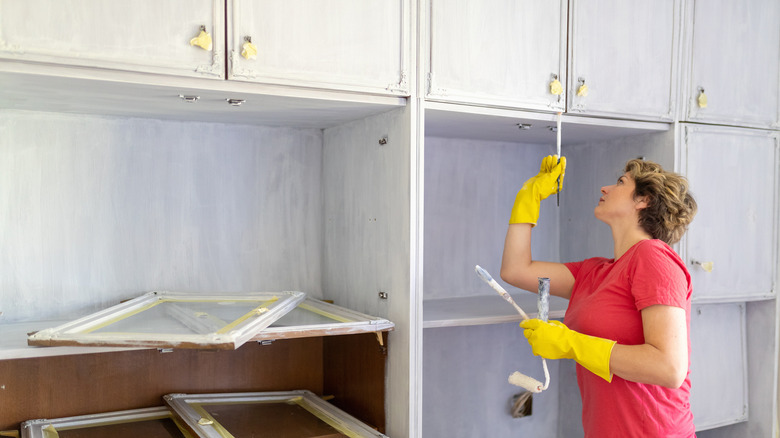
Most cabinet paints dry within hours but require 5–7 days to cure fully. During curing, the paint hardens and reaches maximum durability. Touching or closing doors too early may cause sticking. Always follow manufacturer guidelines for best non-sticky results.
Semi-Gloss vs Satin
Semi-gloss finishes typically feel smoother and harder than satin. Satin has a softer sheen and may feel slightly more rubbery at first. For cabinets, semi-gloss is preferred because it resists moisture and wipes clean easily. It also reduces the chance of long-term tackiness.
Why Cheap Cabinet Paint Often Feels Sticky After Drying
Budget paints often lack strong resins that create hardness. They may dry on the surface but remain soft underneath. Heat and humidity then cause sticking or imprint marks. Spending more upfront saves time and prevents repainting later.
Professional-Grade Cabinet Paint That Dries Hard Like Factory Finish
Paints of professional quality are designed to be long-lasting and self-leveling. Benjamin Moore Advance mimics oil-based hardness without strong fumes. These coatings resist scratches, sticking, and fingerprints. The result is a factory-like smooth surface.
Best Cabinet Paint for White Cabinets That Won’t Stick
White cabinets show imperfections and stickiness more clearly than dark colors. High-quality enamel prevents yellowing and blocking. Choosing a semi-gloss white enamel ensures a crisp finish. Proper curing time is essential before reinstalling hardware.
Best Paint for Dark Kitchen Cabinets That Doesn’t Get Tacky
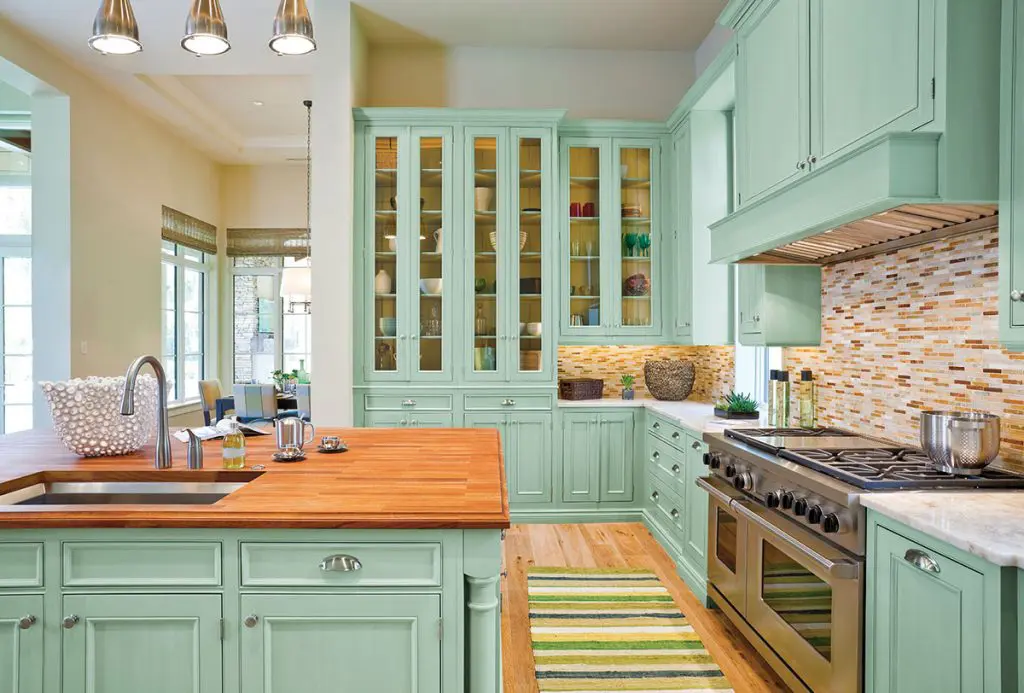
Dark paints absorb more heat, which can increase tackiness if low-quality products are used. Alkyd enamel formulas handle temperature shifts better. They cure hard and resist softening under sunlight. This makes them ideal for navy, black, or deep green cabinets.
Oil-Based vs Waterborne Alkyd
Oil-based paint cures extremely hard but has strong odor and cleanup issues. Waterborne alkyd offers similar durability with easier application. Modern waterborne options resist yellowing and blocking. They are now the preferred solution for non-sticky cabinets.
How to Fix Sticky Kitchen Cabinets After Painting
If cabinets feel sticky, allow additional curing time first. Increase airflow and reduce humidity in the room. Lightly sanding and applying a thin enamel topcoat can correct the issue. Avoid heavy objects on shelves until fully cured.
Best Cabinet Paint for DIYers That Won’t Peel or Stick
DIY-friendly enamel paints provide professional durability without complex tools. Behr Cabinet Enamel is a popular budget option when applied correctly. Thin coats and sanding between layers improve hardness. Patience during curing ensures a smooth finish.
Does Not Sanding Properly Cause Sticky Cabinets?
Skipping sanding prevents proper paint adhesion. Without teeth, paint may sit on top and remain soft. Sanding removes old finishes and improves bonding. This simple step significantly reduces tacky problems.
The Science Behind Cabinet Paint Curing and Hardness
Paint resins crosslink and solidify through a chemical process called curing. This reaction takes days, not hours. Temperature and humidity influence how well curing occurs. Strong enamel formulas cure into a rigid protective shell.
Best Paint for Cabinets in Hot Weather Conditions
Hot weather can soften low-grade paints. Urethane enamel maintains hardness even in high temperatures. Apply paint in moderate indoor conditions for best results. Avoid direct sunlight during drying.
Best Paint for Cabinets in Humid Climates
Humidity delays curing and promotes stickiness. Waterborne alkyd paints handle moisture better than latex. Using dehumidifiers speeds up the hardening process. Thin coats prevent moisture entrapment.
Why Cabinet Doors Stick to Frames After Painting
Doors stick when paint hasn’t cured or was applied too thickly. Humidity can also cause blocking between surfaces. Leaving doors slightly open during curing helps. Installing bumpers prevents direct surface contact.
Top Cabinet Paint Brands That Don’t Get Sticky
Top brands invest in stronger resins and enamel technology. Sherwin-Williams Emerald Urethane Trim Enamel and Benjamin Moore Advance consistently rank high. These paints are formulated specifically for cabinets. Quality brands dramatically reduce sticky issues.
Is Sherwin-Williams Emerald Urethane Trim Enamel Truly Non-Sticky?
Sherwin-Williams Emerald Urethane Trim Enamel is designed to self-level and cure hard. When applied correctly, it resists tackiness and blocking. It performs exceptionally well in kitchens and bathrooms. Full curing time is critical for best results.
Is Benjamin Moore Advance a Better Non-Tacky Option?
Benjamin Moore Advance offers oil-like hardness with low odor. It levels smoothly and resists brush marks. After curing, it feels firm and durable. Many professionals prefer it for smooth cabinet finishes.
Does Behr Cabinet Enamel Stay Sticky Over Time?
Behr Cabinet Enamel performs well when applied thinly and cured properly. However, thick coats may remain soft longer. Proper sanding and patience reduce stickiness risk. Budget paints require extra attention during application.
Best Cabinet Paint That Doesn’t Need a Topcoat
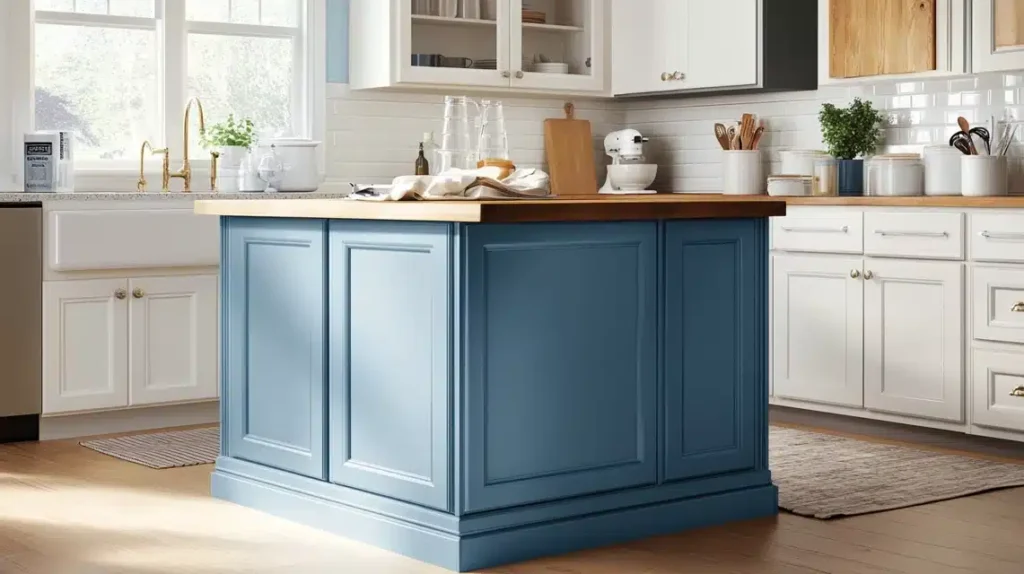
High-quality enamel paints do not require a clear topcoat. They cure into a durable protective surface on their own. Adding polyurethane may actually cause compatibility issues. Choosing premium cabinet enamel eliminates the need for extra sealing.
How to Prevent Cabinet Shelves From Sticking to Dishes
Allow shelves to cure for at least one week before loading them. Use shelf liners temporarily during early curing. Avoid stacking heavy dishes immediately. Proper curing prevents imprint marks and sticking.
Best Primer to Prevent Sticky Cabinet Paint
Bonding primers improve adhesion and reduce soft spots. They create a stable base for enamel topcoats. High-adhesion primers prevent peeling and uneven curing. Proper priming leads to a harder final finish.
Spray vs Roll
Both methods can produce non-sticky finishes if applied correctly. Spraying gives thinner, even coats that cure more uniformly. Rolling requires light pressure and quality tools. Thick layers, regardless of method, increase tackiness risk.
Best Cabinet Paint for Busy Family Kitchens
Family kitchens require scratch-resistant, washable finishes. Urethane enamel withstands daily wear and cleaning. It resists fingerprints and sticking from constant use. Durability is key in high-traffic homes.
How to Speed Up Cabinet Paint Curing Time Safely
Increase ventilation and maintain temperatures around 70°F. Use fans and dehumidifiers to remove excess moisture. Avoid heat guns, which may damage the surface. Patience ensures proper crosslinking and hardness.
Why Cabinets Feel Dry but Still Sticky
Dry-to-touch means surface moisture has evaporated. Curing takes longer as internal resins harden. During this stage, cabinets may feel slightly tacky. Waiting several days resolves the issue.
Best Paint for MDF Cabinets That Won’t Stay Tacky
MDF absorbs paint heavily, requiring proper priming. Use a sealing primer before applying enamel. Urethane trim enamel works well on sealed MDF. Thin coats ensure smooth, hard results.
Best Cabinet Paint for Laminate Surfaces That Won’t Peel
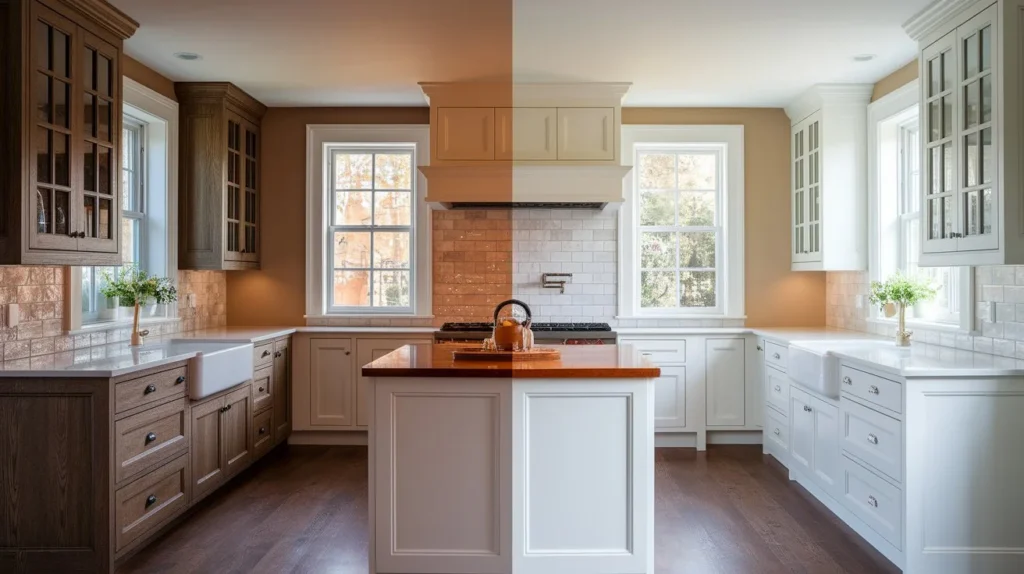
Laminate requires sanding or bonding primer for adhesion. Without prep, paint will peel or remain soft. High-adhesion primer followed by enamel ensures durability. Proper preparation prevents tackiness and flaking.
How Many Coats Prevent Sticky Cabinet Surfaces?
Two thin coats are usually sufficient for coverage and hardness. Thick layers trap moisture and slow curing. Sand lightly between coats for smoothness. Thin applications reduce sticky outcomes.
Cabinet Paint That Resists Fingerprints and Stickiness
Semi-gloss enamel resists oils from hands. Hard-cured surfaces clean easily without imprinting. Premium cabinet paint forms a protective barrier. This keeps cabinets smooth and non-tacky.
Best Budget Cabinet Paint That Doesn’t Get Sticky
Budget-friendly options can work with proper technique. Thin coats and extended curing times are essential. Investing in a good primer improves performance. Even affordable paints can feel professional with patience.
Best Premium Cabinet Paint for a Hard Enamel Finish
Premium cabinet enamels contain stronger resins and leveling agents. They cure into a dense, smooth shell. The finish resists humidity, heat, and daily wear. Long-term durability offsets the higher price.
Do You Need a Clear Coat to Prevent Sticky Cabinets?
Most cabinet enamels do not require a clear coat. Adding one can sometimes cause compatibility issues. Proper curing provides all needed protection. Focus on quality paint rather than extra layers.
Best Cabinet Paint for Rental Property Kitchens
Rental kitchens need durable, easy-clean finishes. Urethane enamel withstands heavy turnover and cleaning. It reduces maintenance costs over time. A hard, non-sticky finish keeps cabinets looking fresh.
How Temperature Affects Cabinet Paint Stickiness
Cold slows curing, while heat may soften uncured paint. Ideal temperatures promote proper resin hardening. Sudden temperature swings increase tackiness risk. Stable indoor climate improves final results.
Best Cabinet Paint for Soft-Close Doors and Drawers
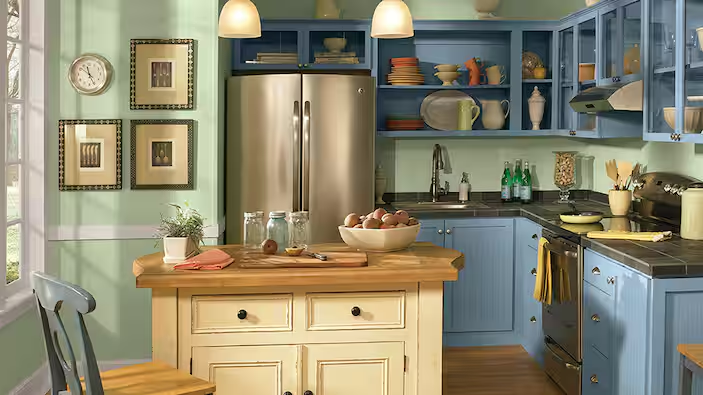
Soft-close mechanisms press surfaces together firmly. Hard enamel prevents sticking under pressure. Allow full curing before reinstalling doors. Durable paint ensures smooth operation.
Why Cabinets Stick After Closing (And How to Fix It)
Blocking occurs when two painted surfaces contact too soon. Installing rubber bumpers reduces surface pressure. Waiting longer before closing doors prevents sticking. Light sanding may correct minor issues.
How to Test If Cabinet Paint Is Fully Cured
Press a fingernail gently into an inconspicuous area. If no imprint remains, curing is complete. Fully cured paint feels hard and smooth. Avoid heavy use before this stage.
Best Fast-Drying Cabinet Paint That Won’t Get Gummy
Fast-drying urethane enamels reduce dust and debris settling. However, curing still takes days. Choose formulas designed for trim and cabinets. Quick surface drying combined with hard curing ensures durability.
Common Cabinet Painting Mistakes That Cause Stickiness
Applying thick coats, skipping sanding, and poor ventilation cause most problems. Using wall paint instead of cabinet enamel increases tackiness. Closing doors too early leads to blocking. Following correct steps prevents these issues.
Best Paint for Kitchen Cabinets That Withstands Grease and Heat
Kitchen environments expose cabinets to oil and steam. Urethane enamel resists grease buildup and softening. Semi-gloss finishes clean easily without dulling. Durable paint protects against daily cooking exposure.
How to Maintain Cabinets So They Never Feel Sticky
Clean cabinets gently with mild soap and water. Avoid harsh chemical cleaners. Keep kitchen humidity controlled. Proper care preserves the hard enamel finish.
Ultimate Guide to Choosing Cabinet Paint That Dries Hard and Smooth
Selecting the right cabinet paint requires focusing on enamel formulas, curing time, and proper preparation. Urethane and waterborne alkyd paints provide the best non-sticky performance. Thin coats, sanding, and patience ensure professional results. With the right product and technique, your cabinets will stay smooth, durable, and completely non-tacky for years.
FAQ’s
1. What is the best paint for kitchen cabinets that doesn’t get sticky?
The best non-sticky cabinet paints are urethane enamel or waterborne alkyd formulas. These paints cure to a hard, factory-like finish instead of remaining soft or tacky. Benjamin Moore Advance and Sherwin-Williams Emerald Urethane Trim Enamel are professional favorites due to their smooth and firm drying properties.
2. Why do kitchen cabinets feel sticky even after drying?
Cabinets feel sticky when paint has dried but not fully cured. High humidity, thick coats, poor ventilation, or low-quality latex paint can slow the curing process. True hardness develops over time as solvents evaporate and the paint film hardens.
3. How long does cabinet paint take to stop being tacky?
Most cabinet paints feel dry within hours but require 7–30 days to fully cure. Waterborne alkyd paints typically harden faster than traditional latex. Avoid heavy use until full curing is complete to prevent sticking.
4. Is latex paint bad for kitchen cabinets?
Standard latex wall paint is not ideal for cabinets because it stays soft and can feel sticky. Cabinets need harder enamel-based formulas designed for trim and cabinetry. Using the right paint type prevents tackiness and peeling.
5. Does humidity make cabinet paint sticky?
Yes, high humidity slows evaporation and curing, which can leave paint feeling gummy. Kitchens with poor ventilation are especially prone to this issue. Using a dehumidifier or proper airflow helps paint cure properly.
6. Do I need a primer to prevent sticky cabinet paint?
Yes, primer improves adhesion and helps paint cure evenly. It seals porous surfaces like MDF and prevents moisture absorption. A high-quality bonding primer reduces the chances of long-term stickiness.
7. Which finish is less sticky
Semi-gloss finishes usually cure harder and feel smoother than satin. They resist moisture, grease, and fingerprints better in kitchens. For maximum durability, semi-gloss or gloss enamel is recommended.
8. Can I fix cabinets that are already sticky?
Yes, lightly sanding the surface and allowing more curing time may help. If stickiness persists, you may need to apply a harder enamel topcoat. Improving ventilation and temperature also speeds up curing.
9. Does Behr cabinet paint stay sticky over time?
Some users report extended curing times with certain batches of Behr Cabinet Enamel. Proper application, thin coats, and adequate drying time are essential. However, urethane enamel paints often cure harder and faster.
10. What type of paint gives cabinets a factory-hard finish?
Urethane enamel and waterborne alkyd paints provide the most factory-like durability. These paints level smoothly and cure to a hard, non-tacky surface. They are ideal for high-traffic kitchen cabinets.
Conclusion
Choosing the best paint for kitchen cabinets that doesn’t get sticky means selecting a high-quality urethane enamel or waterborne alkyd formula. These paints cure to a hard, smooth, factory-like finish instead of remaining soft or tacky. Proper surface preparation, thin coats, and full curing time are essential to prevent stickiness. With the right product and technique, your cabinets will stay durable, non-tacky, and beautiful for years.