Danish223
The weight capacity of a kitchen cabinet depends on its construction, material, and installation quality. Most standard cabinets are designed to handle typical household items safely. Understanding these limits helps prevent damage and ensures long-lasting functionality.
A standard kitchen cabinet can typically hold 30 to 70 pounds per shelf, depending on the material and installation quality. Wall cabinets mounted securely into studs can support even more, often up to 100 pounds or more overall. The exact weight capacity depends on factors like shelf thickness, cabinet material, mounting hardware, and proper weight distribution.
In This Article We Discuss “How much weight can a kitchen cabinet hold”
Average Weight Capacity of Standard Kitchen Cabinets
Most wall cabinets can hold between 20–70 pounds per linear foot. Base cabinets typically support much more due to their structural design. These averages vary depending on manufacturer and build quality.
Factors That Determine How Much Weight a Kitchen Cabinet Can Hold
Cabinet material, shelf thickness, and mounting hardware all influence capacity. The cabinet’s age and overall structural integrity also matter. Even minor variations can significantly affect weight tolerance.
How Cabinet Materials Affect Weight Capacity
Materials like plywood and solid wood support more weight than MDF or particle board. High-density materials resist bending and structural fatigue better. Your cabinet’s durability starts with the material choice.
How Much Weight Wall-Mounted Kitchen Cabinets Can Hold
Wall-mounted cabinets typically hold 30–50 pounds per shelf. Their capacity depends heavily on how securely they’re mounted into wall studs. Poor installation can drastically reduce safe weight limits.
How Much Weight Base Kitchen Cabinets Can Hold
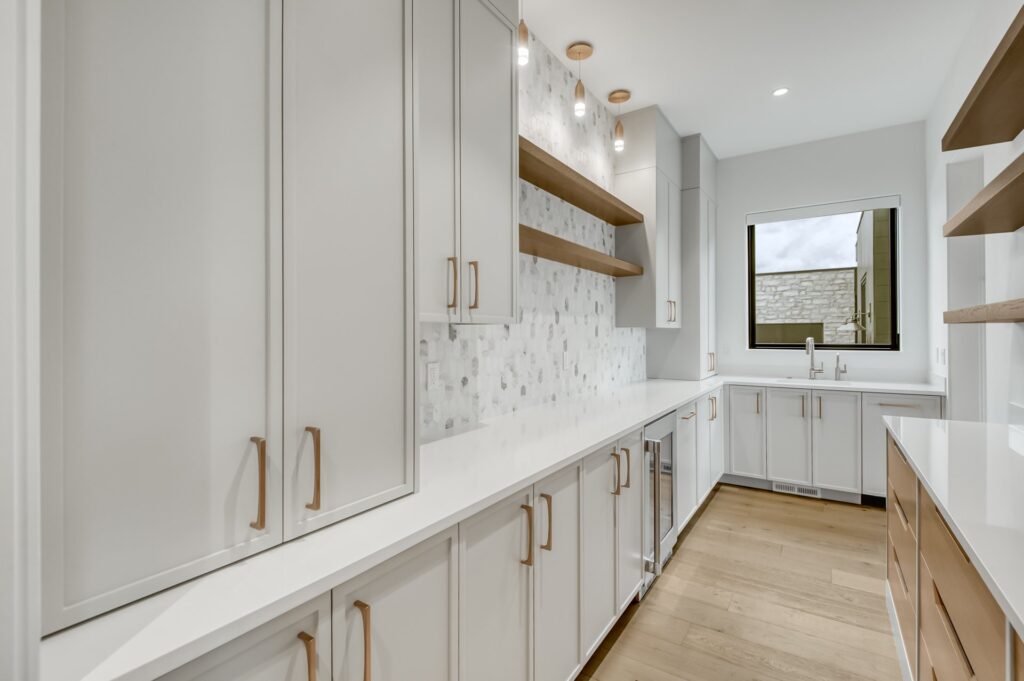
Base cabinets can often support between 200–600 pounds. Their strength comes from direct floor support and thicker construction. This makes them ideal for storing heavy pots, pans, and appliances.
How Much Weight Tall Kitchen Cabinets Can Hold
Tall cabinets usually range from 100–400 pounds depending on shelf structure. Their vertical height requires stronger backing and internal bracing. With proper support, they can store bulk pantry items easily.
Weight Capacity of Plywood Kitchen Cabinets
Plywood cabinets offer excellent strength due to layered construction. They resist sagging better than MDF or particle board. Many high-end kitchens rely on plywood for long-term durability.
Weight Capacity of MDF Kitchen Cabinets
MDF cabinets are affordable but less durable under heavy loads. They perform well for lightweight items but may sag over time. Moisture exposure can further weaken their strength.
Weight Capacity of Particle Board Kitchen Cabinets
Particle board cabinets have the lowest load capacity. They are best suited for light dishware and pantry items. Excessive weight can cause shelves to crack or crumble.
How Solid Wood Cabinets Handle Heavy Loads
Solid wood cabinets provide robust weight support and long-lasting durability. They resist bending better than engineered wood options. Their dense structure makes them a premium choice.
How Much Weight Frameless Cabinets Can Hold
Frameless cabinets depend heavily on thick side panels for strength. They can support good weight but require quality material. Weak materials in frameless builds can lead to quicker sagging.
How Much Weight Framed Cabinets Can Hold
Framed cabinets offer extra stability through face frames. This design reduces stress on the cabinet box. As a result, they typically handle more weight than frameless options.
Impact of Shelf Thickness on Weight Capacity
Thicker shelves distribute weight more evenly and resist bending. A typical ¾-inch shelf holds more than a ½-inch version. Shelf reinforcement can significantly improve load capability.
How Adjustable Shelves Affect Kitchen Cabinet Strength
Adjustable shelves rely on small support pegs, which limit weight tolerance. Fixed shelves generally support more weight thanks to stronger attachment points. Proper peg size can improve stability.
Effect of Mounting Hardware on Cabinet Weight Limit
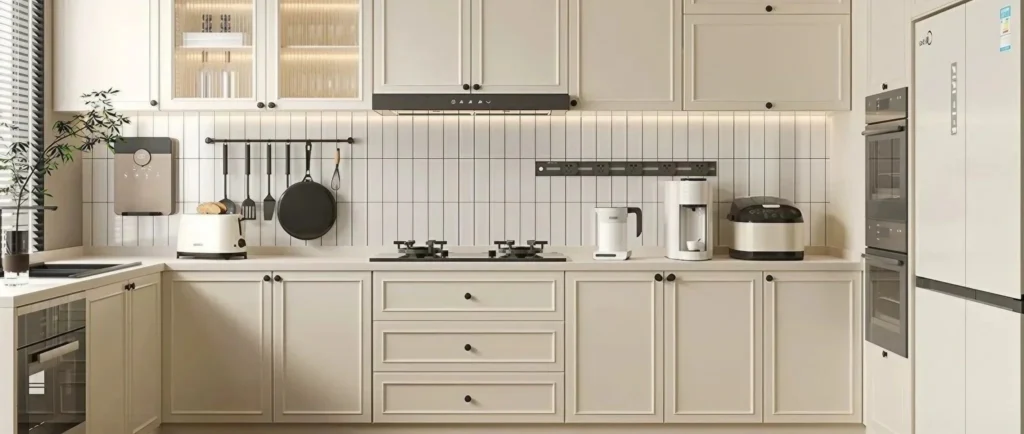
Strong screws and brackets are essential for safe mounting. Inadequate hardware increases the risk of cabinet failure. High-quality installation materials extend cabinet lifespan.
How Wall Stud Installation Improves Weight Capacity
Attaching cabinets directly to wall studs maximizes strength. Studs provide the solid reinforcement needed for heavy loads. Without stud mounting, cabinets become far less reliable.
How Much Weight Can a Floating Kitchen Cabinet Hold
Floating cabinets typically support 20–40 pounds depending on bracket strength. Their hidden supports must be high quality to ensure safety. Overloading can cause sudden detachment.
How Much Weight Custom Cabinets Can Hold
Custom cabinets often outperform prefab units due to stronger materials. Designers tailor them for specific load requirements. Their superior craftsmanship ensures higher durability.
How Much Weight Prefabricated Cabinets Can Hold
Prefab cabinets vary widely in capacity depending on the manufacturer. Budget models usually offer limited strength. Higher-end prefab options rival custom cabinets in performance.
Weight Capacity of Metal Kitchen Cabinets
Metal cabinets boast exceptional strength and long-lasting performance. They are ideal for commercial or industrial spaces. Their durability makes them superior for heavy storage.
Commercial Kitchen Cabinet Weight Limits
Commercial cabinets often support 500–1000 pounds or more. Made with reinforced steel and thick shelving, they endure constant heavy use. These are built for demanding environments.
How Much Weight Kitchen Cabinet Shelves Can Hold Individually
Individual shelves typically hold 20–50 pounds depending on thickness. Heavier items should always be placed on the strongest shelf. Reinforced shelving significantly boosts capacity.
How Much Weight Upper Kitchen Cabinets Can Hold Safely
Upper cabinets generally hold less weight than lower units. Their safe load typically ranges from 40–80 pounds total. Proper installation is critical to avoid accidents.
Best Items to Store in High-Weight Kitchen Cabinets
Store heavy pots, cast iron pans, and appliances in base cabinets. Bulk pantry items also fit well in strong lower units. Save upper cabinets for lighter dishes and food items.
Items That Should Not Be Stored in Wall Cabinets
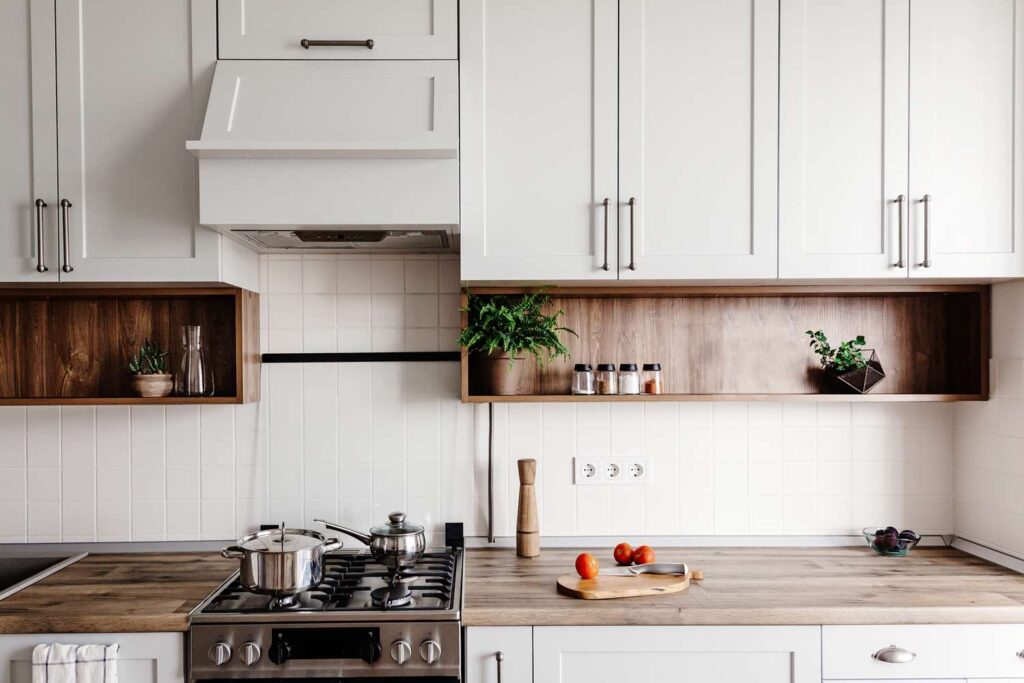
Avoid placing heavy appliances or cast iron in upper cabinets. Their weight can strain mounting points. Reserve wall cabinets for lightweight essentials.
How to Prevent Overloading a Kitchen Cabinet
Spread items evenly and avoid stacking excessively. Monitor shelves for signs of sagging. Regular organization helps you maintain safe load levels.
How to Check If Your Kitchen Cabinet Is Overloaded
Look for sagging shelves, loose screws, or bending hardware. Doors that misalign may signal weight stress. Early detection prevents long-term damage.
Signs That a Kitchen Cabinet Is Near Its Weight Limit
Creaking sounds and bowing shelves indicate stress. Soft cracking noises also warn of overload. If the cabinet frame shifts, immediate action is needed.
How to Increase Kitchen Cabinet Weight Capacity
Upgrade to thicker shelves for added strength. Reinforce mounting hardware for more stability. Adding support brackets can dramatically increase load limits.
How Reinforcing Shelves Can Increase Weight Support
Adding metal strips or wooden braces strengthens shelves. These reinforcements prevent bending over time. Simple upgrades can double weight capacity.
How Extra Brackets Improve Cabinet Weight Capacity
Installing additional brackets spreads the load more evenly. This helps cabinets handle heavier items safely. Brackets are affordable and easy to add.
How to Distribute Weight Properly in a Kitchen Cabinet
Place heavy items in the center and lighter items on edges. Avoid stacking heavy items on thin shelves. Balanced distribution protects the cabinet’s structure.
How Much Weight a Kitchen Cabinet Drawer Can Hold
Drawers often support 50–100 pounds depending on slide quality. Heavy-duty drawer slides offer greater strength. Deep drawers are better for heavy items like pans.
How Countertop Weight Affects Base Cabinet Load
Stone and concrete countertops add heavy stress on base cabinets. Proper bracing ensures safe long-term support. Poor installation can cause cabinet sagging.
How Much Weight Kitchen Cabinet Hinges Can Support
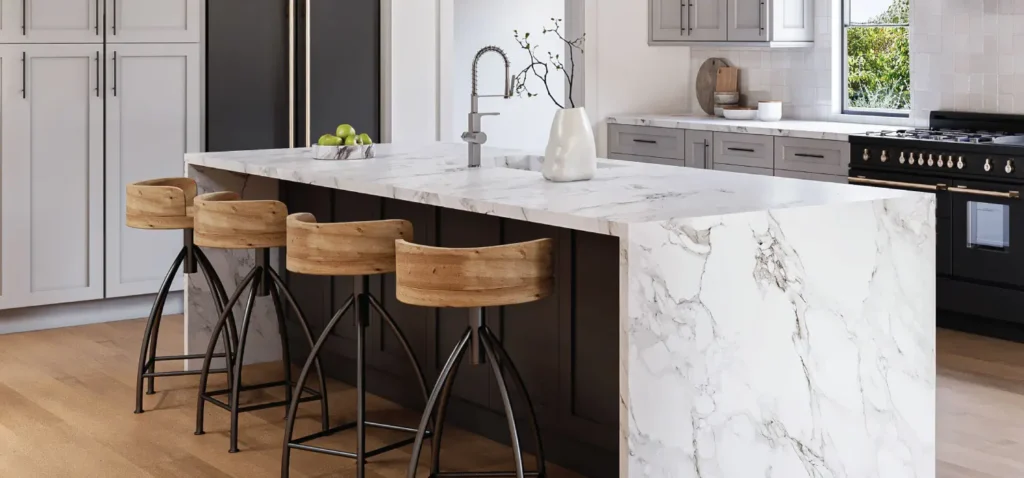
Standard hinges support moderate weight but struggle with heavy doors. High-quality hinges improve durability and alignment. Soft-close models may reduce long-term wear.
Impact of Shelf Support Type on Weight Limit
Metal pins provide better support than plastic ones. Full-length support rails offer maximum stability. Weak supports increase the risk of shelf collapse.
How Much Weight Pantry Cabinets Can Hold
Pantry cabinets support 100–400 pounds depending on design. They are ideal for canned goods and packaged foods. Shelf thickness plays a major role in capacity.
How Much Weight Corner Kitchen Cabinets Can Hold
Corner cabinets often support 40–120 pounds. Their weight limit depends heavily on internal bracing. Lazy Susan styles require additional hardware strength.
How Humidity Affects Kitchen Cabinet Strength
Moisture can weaken wood and warp MDF or particle board. High humidity accelerates sagging and structural breakdown. Proper ventilation preserves cabinet strength.
How Aging Cabinets Lose Weight Capacity Over Time
Old cabinets may loosen, warp, or weaken. Hardware degrades and shelves may bend more easily. Regular maintenance keeps older cabinets functional.
How Much Weight IKEA Kitchen Cabinets Can Hold
Most IKEA cabinets hold around 30–40 pounds per shelf. Their metal rail system improves wall support. Upgrading shelves can enhance capacity.
How Much Weight RTA (Ready to Assemble) Cabinets Can Hold
RTA cabinets vary widely in strength based on materials. High-quality models rival traditional cabinets. Lower-end options may have limited weight tolerance.
How Much Weight DIY-Built Cabinets Can Hold
DIY cabinets depend entirely on your chosen materials and craftsmanship. Strong joints and thick shelves ensure high capacity. Poor construction reduces strength significantly.
How Cabinet Layout Impacts Weight Distribution
Layouts with multiple support points handle weight better. Long cabinets without dividers may sag more over time. Smart design leads to optimal load distribution.
Safety Tips for Storing Heavy Items in Kitchen Cabinets
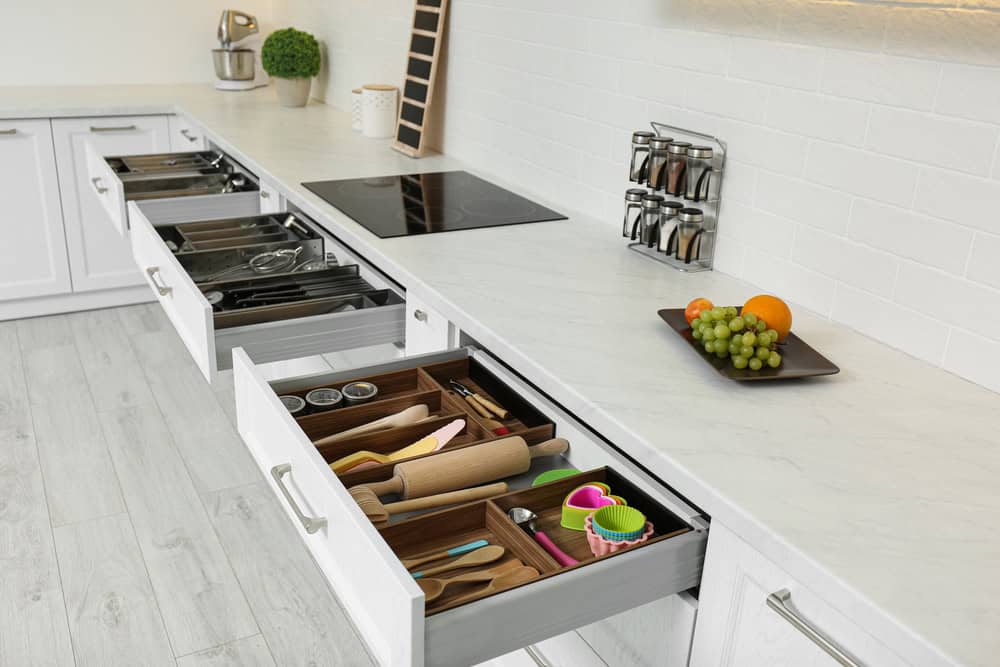
Keep heavier items in lower cabinets whenever possible. Avoid placing overly heavy items on upper shelves. Inspect cabinet stability regularly for safety.
How to Choose High-Weight Capacity Cabinets for Your Kitchen
Look for cabinets with plywood construction and thick shelves. Reinforced back panels also indicate strength. Commercial-grade hardware ensures long-term durability.
How Cabinet Fasteners Affect Overall Weight Capacity
High-quality screws and brackets improve load support. Weak fasteners loosen under weight stress. Always inspect fastening points during installation.
How to Measure Safe Weight Limits for Your Kitchen Cabinets
Check manufacturer guidelines whenever available. Consider materials, thickness, and mounting strength. When in doubt, store lighter items for safety.
FAQs About How Much Weight a Kitchen Cabinet Can Hold
Common questions include how much weight shelves support, whether wall cabinets can collapse, and how to reinforce them. Understanding these basics helps homeowners avoid damage. Proper care and installation ensure long-lasting performance.
FAQ’s
1. How much weight can a standard kitchen cabinet hold?
A standard wall cabinet usually holds 20–70 pounds per linear foot. Base cabinets can hold 200–600 pounds depending on construction. The exact weight varies by material and installation.
2. Can kitchen cabinets fall off the wall due to weight?
Yes, overloaded wall cabinets can detach from the wall. Poor installation or missing wall stud support increases this risk. Regular inspection helps prevent accidents.
3. Do plywood cabinets support more weight than MDF or particle board?
Yes, plywood is stronger and more durable than MDF or particle board. It resists bending and moisture damage better, making it ideal for heavy loads.
4. How much weight can a floating kitchen cabinet hold?
Floating cabinets typically hold 20–40 pounds depending on bracket strength. Heavy-duty mounting hardware can increase this capacity slightly.
5. How can I prevent kitchen cabinets from sagging?
Use thicker shelves, add additional support brackets, and avoid placing heavy items on upper shelves. Keeping items evenly distributed also reduces sagging.
6. Is it safe to store heavy pots in upper kitchen cabinets?
No, heavy cookware like cast iron should be stored in lower cabinets. Upper cabinets are not designed for extreme weight and may weaken over time.
7. What signs show that my kitchen cabinet is overloaded?
Bowing shelves, loose hinges, cracking sounds, and misaligned doors are common overload signs. Early detection prevents structural damage.
8. How much weight can a kitchen drawer hold?
Most standard kitchen drawers hold 50–100 pounds. Heavy-duty drawer slides can support 150+ pounds if installed correctly.
9. Do cabinet hinges affect weight capacity?
Yes, hinges play a major role in supporting door weight. High-quality metal hinges with strong screws prevent sagging and misalignment.
10. Can I increase the weight capacity of my existing cabinets?
Yes, adding stronger shelves, extra brackets, metal reinforcement, or better wall mounts can significantly increase capacity. Simple upgrades improve long-term safety.
Conclusion
Knowing how much weight a kitchen cabinet can hold helps you store items safely and avoid damage. By choosing strong materials and distributing weight properly, you protect your cabinets from stress and sagging. With regular checks and simple reinforcements, your kitchen cabinets can stay durable and reliable for years.