Danish223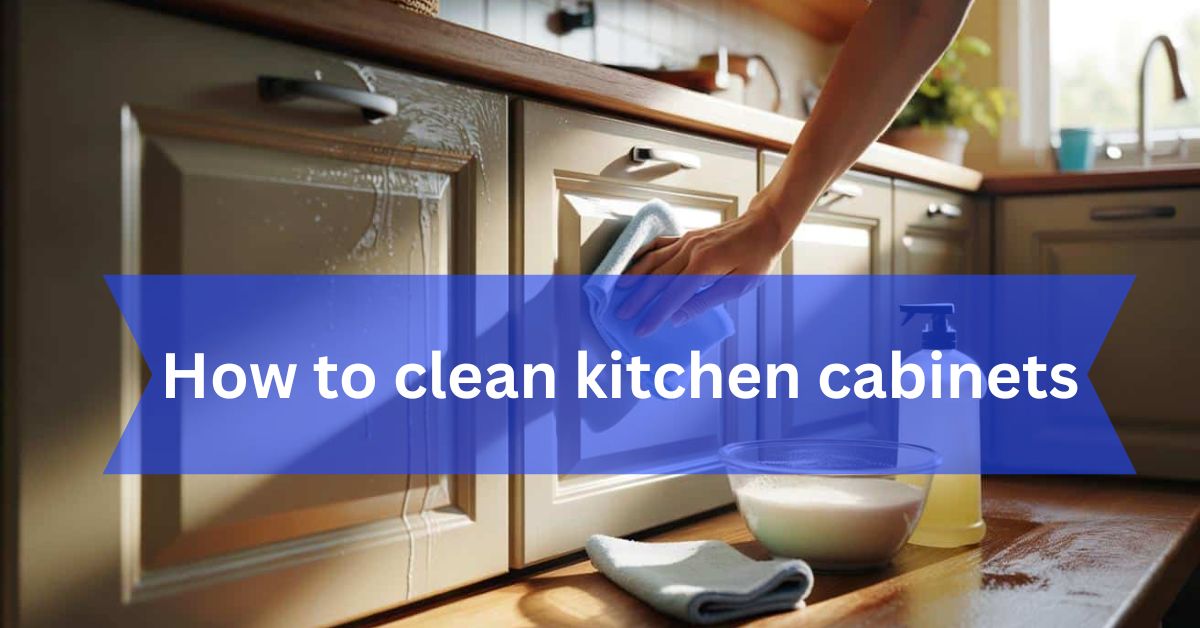
Cleaning kitchen cabinets the right way starts with removing surface dust and loose grime using a dry microfiber cloth. Then, use a mild cleaner that is appropriate for the material of your cabinet and wipe along the grain direction. Always rinse with a damp cloth to remove residue and dry immediately to prevent water damage. A step-by-step approach ensures deep cleaning without harming the cabinet finish.
How to clean kitchen cabinets properly involves using mild dish soap and warm water with a soft cloth to remove grease and dirt. Gently wipe all surfaces, including handles and edges, without using harsh chemicals. Always dry the cabinets immediately to protect the finish and maintain their appearance.
In This Article We Discuss “How to Clean Kitchen Cabinets”
Why Kitchen Cabinets Get Greasy and Dirty Over Time
Kitchen cabinets collect grease due to constant exposure to cooking oils, steam, and food particles. Airborne grease sticks to cabinet surfaces, especially near the stove and cooking areas. Over time, this grease mixes with dust, forming a sticky and stubborn layer. Lack of regular cleaning makes the buildup harder to remove.
How Often Should You Clean Kitchen Cabinets?
Light cleaning of kitchen cabinets should be done weekly to prevent grease buildup. A deeper clean is recommended every three to six months, depending on kitchen usage. Cabinets near the stove may need more frequent attention. Regular cleaning keeps cabinets hygienic and visually appealing.
Things You Should Know Before Cleaning Kitchen Cabinets
Before cleaning, identify the cabinet material such as wood, laminate, or painted surfaces. Always test cleaners on a hidden area to avoid damage. Avoid soaking cabinets with water, as excess moisture can cause warping. Knowing the finish helps you choose the safest cleaning method.
Supplies You Need to Clean Kitchen Cabinets Properly
Essential supplies include microfiber cloths, mild dish soap, warm water, and a soft sponge. For tougher grease, baking soda or vinegar may be useful. Avoid abrasive pads that can scratch surfaces. Having the right tools makes cabinet cleaning more effective and safer.
Best Homemade Cleaner for Kitchen Cabinets
A simple homemade cleaner can be made using warm water and a few drops of dish soap. This solution effectively cuts grease without damaging finishes. Add a little white vinegar for enhanced cleaning strength. Homemade cleaners are affordable, safe, and eco-friendly.
Best Commercial Cleaners for Kitchen Cabinets
Commercial cabinet cleaners are designed for specific finishes like wood or laminate. Choose non-abrasive and non-ammonia-based products for safety. Always follow the manufacturer’s instructions carefully. These cleaners save time and provide consistent results.
How to Clean Kitchen Cabinets with Dish Soap and Warm Water
Mix a few drops of dish soap in warm water to create a gentle solution. Soak a soft cloth in the mixture and remove the excess liquid. Wipe cabinet surfaces thoroughly, focusing on greasy areas. Wipe with a clean, moist cloth and dry right away.
How to Remove Grease from Kitchen Cabinets Fast
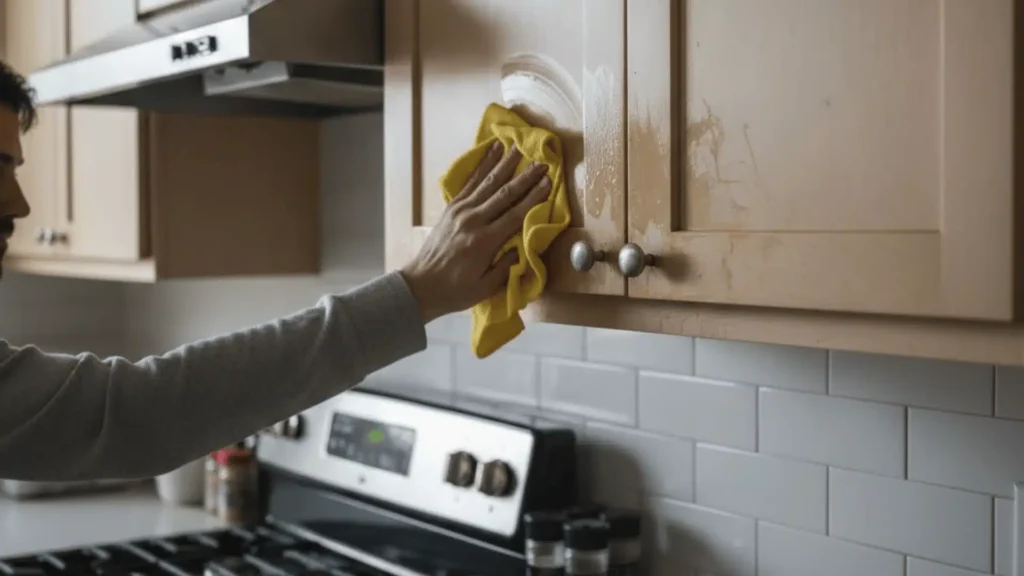
To remove grease quickly, use a degreasing solution or diluted vinegar. Apply it directly to greasy spots and let it sit for a minute. Gently wipe with a microfiber cloth until the grease lifts. Dry the surface to prevent streaks.
How to Clean Sticky Kitchen Cabinets Without Damage
Sticky cabinets should be cleaned with mild solutions to protect the finish. Avoid harsh chemicals that can strip coatings. Use a soft cloth and gentle pressure to remove residue. Conclude the process by wiping down with clean water and ensuring thorough drying.
How to Clean Wooden Kitchen Cabinets Safely
Wooden cabinets require gentle cleaners to preserve the natural finish. Use mild soap and water, wiping along the grain. Stay away from excessive dampness that could result in swelling or fissures.Dry and polish wood cabinets for lasting beauty.
How to Clean Painted Kitchen Cabinets Without Peeling
Painted cabinets should be cleaned with non-abrasive cleaners only. Avoid scrubbing too hard, as it can cause paint to peel. For safe cleaning, use a moist cloth with gentle soap.Always dry surfaces to protect the paint layer.
How to Clean Laminate Kitchen Cabinets Effectively
Laminate cabinets are durable but sensitive to excess water. Wipe the surface with a moist cloth and a gentle cleaning agent. Steer clear of harsh cleaners that may diminish the finish. Dry immediately to maintain shine.
How to Clean Metal Kitchen Cabinets Without Scratches
Metal cabinets should be cleaned using soft cloths and gentle cleaners. Avoid steel wool or rough sponges that cause scratches. To avoid streaks, wipe in a single direction. Dry thoroughly to prevent water spots.
How to Clean Glass Kitchen Cabinet Doors Properly
Glass cabinet doors require streak-free cleaning solutions. Use glass cleaner or a vinegar-water mix for best results. Leicht sprühen und mit einem fusselfreien Tuch abwischen. Clean both sides for a clear and polished look.
How to Clean Inside of Kitchen Cabinets Step by Step
Empty the cabinets completely before cleaning the interior. Vacuum or wipe out crumbs and dust first. Clean surfaces with mild soap and water, then rinse and dry. Allow cabinets to air out before restocking.
How to Clean Kitchen Cabinet Hardware and Handles
Cabinet handles collect oils and bacteria from frequent use. If possible, take off the hardware and soak it in warm, soapy water. Gently scrub with a soft brush, and then ensure it is completely dried. Clean handles regularly for better hygiene.
How to Clean Kitchen Cabinets Around the Stove Area
Cabinets near the stove accumulate heavy grease buildup. Use a degreaser or vinegar solution for effective cleaning. Wipe frequently to prevent stubborn stains. Regular maintenance keeps this area looking fresh.
How to Remove Old Grease Buildup from Kitchen Cabinets
Old grease requires patience and gentle scrubbing. Apply a grease-cutting solution and let it sit briefly. Use a soft cloth to lift buildup gradually. Avoid harsh scraping that can damage finishes.
How to Clean Kitchen Cabinets Without Harsh Chemicals
Natural cleaners like dish soap, vinegar, and baking soda work effectively. These options are safer for your health and cabinet surfaces. They reduce chemical odors and residue. Natural cleaning methods are ideal for regular use.
How to Clean Kitchen Cabinets with Vinegar
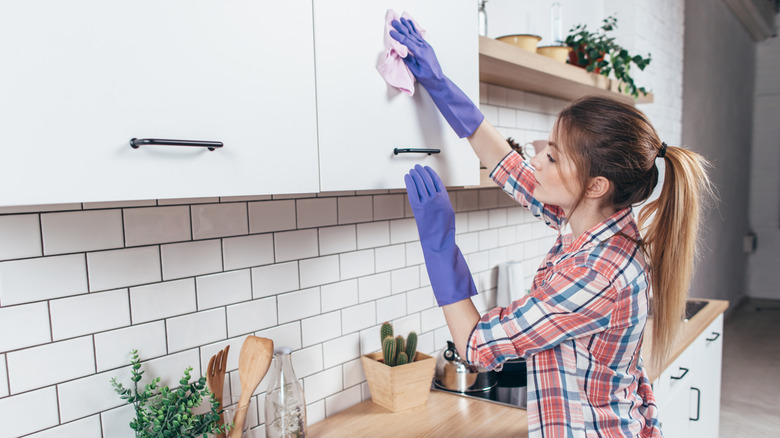
Vinegar is excellent for cutting grease and disinfecting surfaces. However, it may dull certain finishes if overused. Always dilute vinegar with water before use. Check on a concealed area to prevent harm.
How to Clean Kitchen Cabinets with Baking Soda Safely
Baking soda works well for stubborn stains and grease. Make a gentle paste with water and apply lightly. Avoid aggressive scrubbing to protect the finish. Wipe clean and dry after use.
How to Clean Kitchen Cabinets Using Natural Ingredients
Natural ingredients like lemon, vinegar, and soap are effective cleaners. They remove grease while being eco-friendly. These choices are suitable for homes with kids. Natural cleaning supports a healthier kitchen environment.
How to Deep Clean Kitchen Cabinets Once or Twice a Year
Deep cleaning involves cleaning inside, outside, and hardware thoroughly. Remove all items and clean every surface carefully. Address grease buildup and hidden dirt. Deep cleaning restores cabinets to like-new condition.
How to Polish Wood Kitchen Cabinets After Cleaning
Polishing wood cabinets enhances shine and protects the surface. Use wood polish or natural oils sparingly. Utilize a gentle cloth for application and light buffing. Regular polishing keeps wood cabinets looking rich.
How to Restore Shine to Dull Kitchen Cabinets
Dull cabinets can regain shine with proper cleaning and polishing. Remove grime first, then apply a suitable polish. Buff gently to bring back luster. Consistent care prevents future dullness.
Common Mistakes to Avoid When Cleaning Kitchen Cabinets
Using abrasive tools and harsh chemicals is a common mistake. Over-wetting cabinets can cause long-term damage. Skipping regular cleaning leads to heavy buildup. Avoid these mistakes to extend cabinet life.
Cleaning Kitchen Cabinets
Avoid bleach, ammonia, and abrasive powders on cabinets. These products can damage finishes and discolor surfaces. Strong solvents may strip protective coatings. Always choose cabinet-safe cleaners.
How to Clean Kitchen Cabinets Without Ruining the Finish
Use gentle cleaners and soft cloths at all times. Clean in the direction of the grain for wood cabinets. Dry surfaces immediately after cleaning. Proper techniques preserve the cabinet finish.
How Long Does It Take to Clean Kitchen Cabinets?
Cleaning time depends on cabinet size and dirt level. A light clean may take one to two hours. Deep cleaning can take several hours. Planning ahead makes the task manageable.
How to Clean Kitchen Cabinets Quickly for Weekly Maintenance
Weekly maintenance involves quick wipe-downs with mild cleaners. Focus on high-touch and greasy areas. This routine prevents heavy buildup. Quick cleaning saves time in the long run.
How to Prevent Grease Buildup on Kitchen Cabinets
Use exhaust fans while cooking to reduce grease spread. Wipe cabinets regularly to stop buildup early. Keep surfaces dry and clean. Prevention makes cleaning easier.
Tips to Keep Kitchen Cabinets Clean for Longer
Clean spills immediately to avoid stains. Use cabinet liners for added protection. Maintain regular cleaning schedules. Small habits keep cabinets cleaner longer.
How Proper Ventilation Helps Keep Cabinets Clean
Good ventilation reduces moisture and airborne grease. Range hoods help capture cooking fumes. Proper airflow minimizes cabinet grime. Ventilation supports a cleaner kitchen overall.
How to Protect Kitchen Cabinets from Water Damage
Avoid leaving wet clothes on cabinet surfaces. Fix leaks promptly, especially under sinks. Use sealants where necessary. Water protection extends cabinet lifespan.
How to Clean Under-Sink Kitchen Cabinets Safely
Under-sink cabinets require careful cleaning due to moisture. Remove items and check for leaks first. Clean with mild cleaners and dry thoroughly. Ensure proper ventilation after cleaning.
How to Clean Kitchen Cabinets in Old Homes
Older cabinets may have delicate finishes requiring extra care. Use the gentlest cleaners possible. Avoid excess water and harsh chemicals. Proper cleaning preserves vintage charm.
How to Clean Kitchen Cabinets in Small Kitchens
Small kitchens benefit from frequent light cleaning. Limited space means grease spreads quickly. Use compact tools for easy access. Regular care keeps cabinets tidy.
How to Clean Kitchen Cabinets in Rental Homes
Rental cabinets should be cleaned gently to avoid damage. Use mild, non-abrasive cleaners only. Focus on restoring cleanliness without altering finishes. Proper care helps avoid repair charges.
DIY vs Professional Kitchen Cabinet Cleaning
DIY cleaning is cost-effective for regular maintenance. Professionals handle deep cleaning and tough grease. The choice depends on cabinet condition and time. Both options have their benefits.
When Should You Hire a Professional to Clean Kitchen Cabinets?
Hire professionals for heavy grease buildup or delicate finishes. They use specialized tools and products. Professional cleaning saves time and effort. It’s ideal for deep restoration.
How to Clean Kitchen Cabinets Without Removing Doors
Cabinets can be cleaned in place using careful techniques. Clean hinges and edges thoroughly. Use small brushes for tight spaces. This method saves time and effort.
How to Make Kitchen Cabinet Cleaning Easier Every Time
Establish a regular cleaning routine. Keep cleaning supplies accessible. Address messes immediately. Consistency simplifies cabinet maintenance.
How to Clean Kitchen Cabinets Without Strong Smells
Use fragrance-free or natural cleaners. Avoid strong chemical products. Ventilate the kitchen during cleaning. Mild cleaners keep the space comfortable.
How to Clean Kitchen Cabinets for a Healthier Kitchen
Regular cabinet cleaning removes germs and allergens. Use safe, non-toxic cleaners. Clean handles and interiors often. A clean cabinet supports better kitchen hygiene.
How to Clean Kitchen Cabinets Before Painting or Refinishing
Remove grease and dirt completely before painting. Use degreasers for thorough cleaning. Rinse and let cabinets dry fully. Proper prep ensures better paint adhesion.
How to Clean Kitchen Cabinets After Renovation
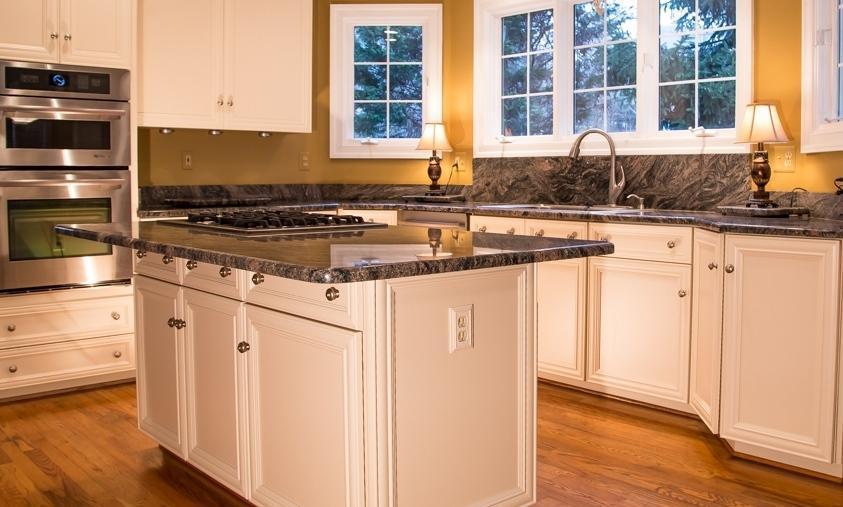
Post-renovation cleaning removes dust and residue. Wipe all surfaces gently. Pay attention to corners and edges. Proper cleaning restores cabinet appearance.
How to Maintain Clean Kitchen Cabinets Year-Round
Maintain a consistent cleaning schedule. Adjust frequency based on usage. Monitor high-grease areas closely. Year-round care keeps cabinets in top shape.
Expert Tips for Long-Lasting Kitchen Cabinets
Use gentle products and avoid over-cleaning. Address issues early to prevent damage. Maintain proper ventilation and dryness. Expert care ensures durability.
Final Thoughts on How to Clean Kitchen Cabinets Properly
Cleaning kitchen cabinets properly improves both hygiene and appearance. Using the right methods protects cabinet finishes. Regular maintenance prevents heavy buildup. Proper care keeps cabinets beautiful for years.
FAQ,s
1. What is the safest way to clean kitchen cabinets?
The safest way to clean kitchen cabinets is by using mild dish soap and warm water. A soft microfiber cloth helps remove grease without scratching the surface. Always dry the cabinets immediately after cleaning.
2. How often should kitchen cabinets be cleaned?
Kitchen cabinets should be wiped weekly to prevent grease and dust buildup. Deep cleaning every three to six months keeps them hygienic and fresh. Cabinets near the stove may need more frequent cleaning.
3. Can vinegar damage kitchen cabinets?
Vinegar can damage certain finishes if used too often or undiluted. It may dull wood and painted cabinet surfaces over time. Always dilute vinegar with water and test it first.
4. Is baking soda safe for cleaning kitchen cabinets?
Baking soda is safe when used gently for tough stains. It should be applied as a soft paste without heavy scrubbing. Excessive force can scratch cabinet finishes.
5. What causes grease buildup on kitchen cabinets?
Grease buildup is caused by cooking oils, steam, and airborne food particles. These elements stick to cabinet surfaces over time. Poor ventilation increases grease accumulation.
6. Can I clean kitchen cabinets without harsh chemicals?
Yes, kitchen cabinets can be cleaned using natural ingredients like soap, vinegar, and lemon. These options are effective and safer for health. They also protect cabinet finishes from damage.
7. How long does it take to clean kitchen cabinets?
Light cleaning usually takes one to two hours for an average kitchen. Deep cleaning inside and outside cabinets takes longer. Time depends on cabinet size and dirt level.
8. Do wooden kitchen cabinets need special cleaning?
Wooden cabinets require gentle cleaners and minimal water. Cleaning along the wood grain prevents surface damage. Regular polishing helps maintain their natural shine.
9. What products should be avoided when cleaning kitchen cabinets?
Bleach, ammonia, and abrasive cleaners should be avoided. These products can discolor and damage cabinet finishes. Rough scrubbers may leave permanent scratches.
10. When should professional kitchen cabinet cleaning be considered?
Professional cleaning is ideal for heavy grease buildup or old cabinets. Experts use safe tools and specialized products. It is also recommended before painting or refinishing cabinets.
Conclusion
Cleaning kitchen cabinets regularly is essential for maintaining a hygienic and attractive kitchen. Using the right cleaning methods and safe products helps protect cabinet finishes and extend their lifespan. With proper care and consistent maintenance, kitchen cabinets can stay clean, shiny, and durable for years.