Danish223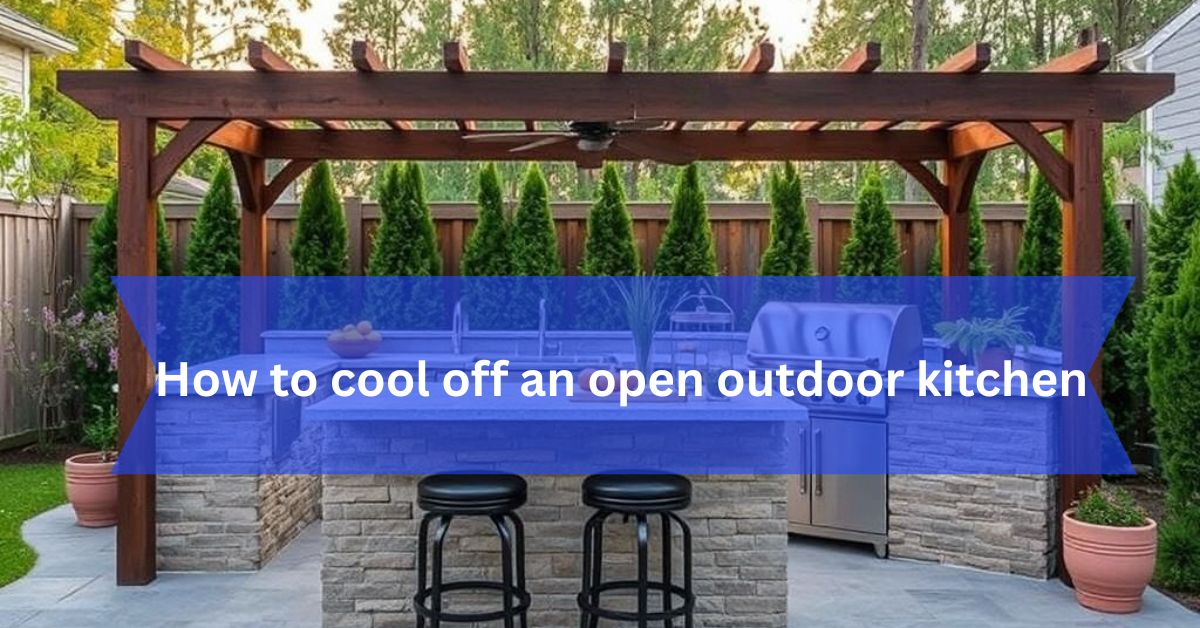
Cooling an open outdoor kitchen involves combining shade, airflow, and water-based cooling. Use fans, misters, or strategic landscaping to reduce ambient temperature. The goal is to make cooking outdoors comfortable even on hot days
Use shade options like pergolas, umbrellas, or awnings to block direct sunlight Install outdoor-rated fans or misting systems to improve airflow and reduce heat. Choose light-colored, heat-reflective surfaces and add plants for natural cooling..
In This Article We Discuss”how to cool off an open outdoor kitchen”
Why Cooling Your Outdoor Kitchen Is Essential
Without cooling, heat accumulation will shorten appliance life and make the space unbearable. It also affects food safety and airflow during cooking. A cooler environment encourages more frequent use of the outdoor kitchen.
Best Ways to Beat the Heat in an Outdoor Kitchen
Use a combination of shade, airflow, and evaporative cooling methods. Add reflective materials and light colors to minimize heat absorption. Stay flexible—use portable shade and cooling devices when needed.
Using Ceiling Fans in Open Outdoor Kitchens
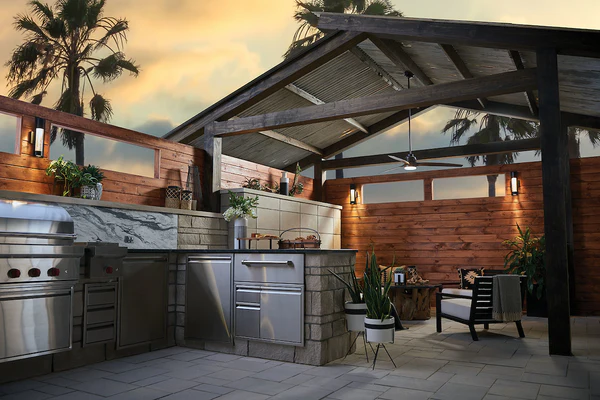
Ceiling fans help move air and create a wind‑chill effect that makes you feel cooler. Position fans to push air across the cooking area and the seating zones. Opt for weather‑rated outdoor fans for durability.
Benefits of Installing Outdoor Misting Systems
Misting systems release ultra-fine water droplets that evaporate and lower ambient temperature. They are excellent for patios and open kitchens in dry climates. Use with care around wood and electronics to avoid moisture damage.
How Pergolas Help Cool Down Outdoor Kitchens
Pergolas cast dappled shade that cuts direct sun exposure while still allowing airflow. You can enhance them with climbing vines or retractable fabric covers. Their open structure avoids trapping heat.
Choosing the Right Shade for Outdoor Kitchens
Choose shade elements that block midday sun but still let breeze flow. Options include umbrellas, sail shades, and pergola covers. Match shade elements to the direction and path of the sun in your space.
Can You Use Portable ACs in Outdoor Kitchens?
Portable AC units can work in semi‑enclosed outdoor kitchens with proper venting and coverage. Their cooling effect is limited in totally open environments. They are most effective when used in shaded or screened areas.
Installing Outdoor Ceiling Fans: A Quick Guide
Mount fans into rafters or structural beams, not just siding or plaster. Use corrosion-resistant materials and outdoor-rated motors. Ensure wiring is weatherproof and properly insulated.
Best Plants for Natural Cooling Around Outdoor Kitchens
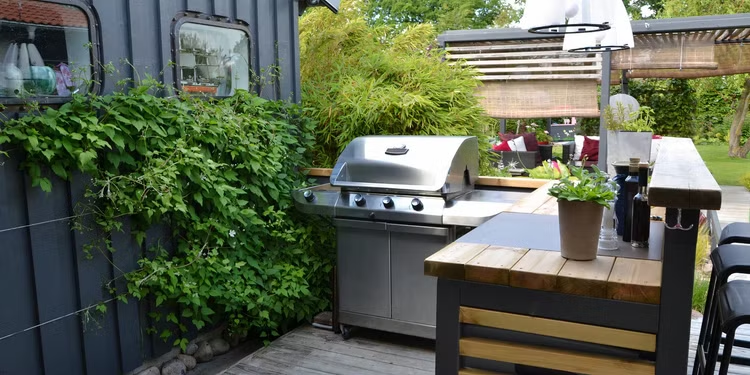
Trees, shrubs, and vines add shade and promote evaporative cooling through transpiration. Good choices include ficus, bamboo, trumpet vine, or deciduous trees. Place plants to block afternoon sun with leaf cover.
Using Retractable Awnings for Shade and Comfort
Retractable awnings provide flexible shade only when needed. They reduce solar gain and can be retracted during cooler evenings to enjoy starlight. Select fabric with high UV resistance and fade resistance.
How Ventilation Impacts Outdoor Kitchen Temperature
Good ventilation prevents heat pockets by expelling warm air and bringing cooler air in. Use open walls, vents near the roofline, or louvered panels. Stack effect and cross ventilation improve air movement.
Heat-Reflective Roofing Options for Outdoor Kitchens
White metal roofs, cool roof shingles, or reflective coatings reduce heat absorption. They lower roof surface temperature and reduce radiant heat below. Combined with ventilation, they improve comfort significantly.
How to Use Evaporative Coolers Outdoors
Evaporative coolers blow air through moist pads to produce cool, humid air. They work best in dry, low‑humidity environments. Keep them shaded and well‑ventilated to avoid creating soggy zones.
Creating Airflow with Strategic Layout Design
Arrange walls, counters, and seating to funnel breeze through the space. Avoid blocking airflow with solid barriers. Open ends or gaps in cabinetry help the wind to travel freely.
Cooling Tips for Outdoor Kitchens in Hot Climates
Emphasize water-based cooling (misters, fountains), deep shade, and light-colored surfaces. Use ventilation to expel hot air quickly. Insulate cooking surfaces from direct sun to reduce radiant heat.
Using Insulated Roofing Panels to Reduce Heat
Sandwich panels with insulation reduce heat conduction from roof to interior. They help maintain lower ambient air temperature beneath. Use lighter colors on outer surfaces for added effect.
Cooling Your Kitchen with Water Features and Fountains
Small water fountains or troughs nearby provide evaporative cooling. The humidity can lower ambient temperature slightly. Position features where prevailing breezes carry cool air toward cooking zones.
Do Outdoor Blinds Help Keep Kitchens Cool?
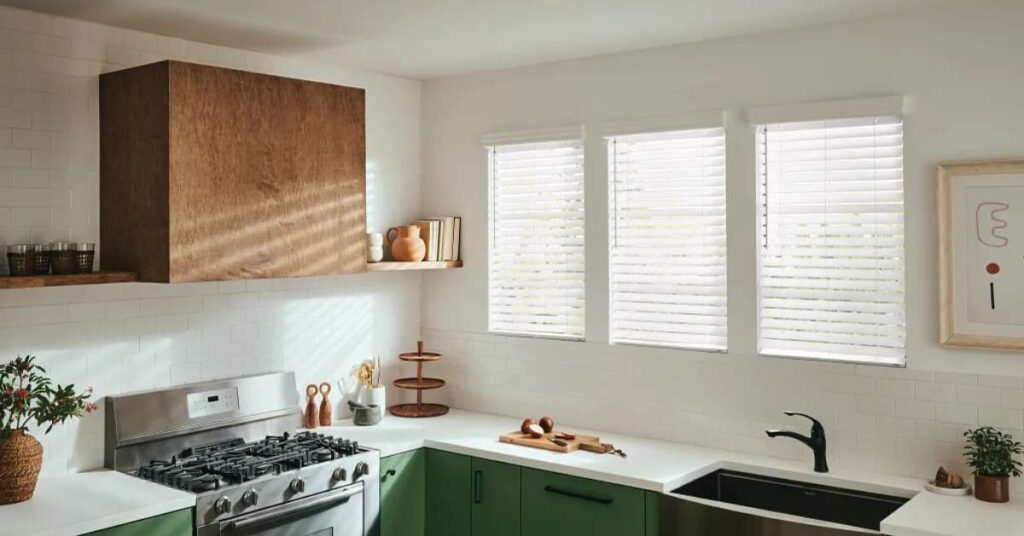
Outdoor blinds block direct sunlight and shade windows or open walls. Choose mesh blinds that let breezes through. They offer a good balance between sun protection and airflow.
Using Wind Screens Without Blocking Airflow
Wind screens help block hot gusts while still allowing cross breezes. Use perforated or slatted materials. Place screens to shield from direct sun and wind while leaving open channels.
Solar Shades vs Traditional Umbrellas: Which Is Better?
Solar shades are permanent fixtures with UV-blocking fabrics, while umbrellas are portable and adjustable. Use shades for long-term protection and umbrellas where flexibility is needed. Combine both for layered defense.
Budget-Friendly Ways to Cool an Outdoor Kitchen
Use cloth canopies, portable fans, shade sails, and potted trees. DIY misting lines or inexpensive awnings can help without breaking the bank. Even painting surfaces white can reduce heat absorption.
Using Natural Stone for Heat-Resistant Surfaces
Natural stone like granite or slate stays cooler than dark concrete or asphalt. Choose lighter-hued stones to reflect heat. They also act as thermal mass, absorbing heat during the day and slowly releasing it at night.
Smart Fan Placement for Maximum Outdoor Cooling
Place fans low and aim across seated zones to create a breeze effect. Use multiple fans at varying heights to mix air. Avoid aiming fans directly at ovens or grills to prevent interference.
How to Position Your Kitchen to Avoid Direct Sun
Orient cooking surfaces to face north or east to avoid harsh afternoon sun. Use shade structures on the west side. If redesigning is possible, plan for midday solar angles in your outdoor space.
Designing Outdoor Kitchens for Summer Comfort
Include overhangs, cross ventilation, and shaded zones in your design. Position counters and seating away from direct sun. Use materials and finishes that reflect rather than absorb heat.
Do Outdoor Kitchens Need a Cooling System?
Not always, but a mild cooling system (fans, misters) makes them usable in extreme heat. For covered or semi‑enclosed kitchens, dedicated systems may be necessary. The goal is to maintain usability, not perfect indoor climate.
Cooling the Cooking Zone vs Dining Area Separately
Focus cooling on the cooking zone first—where oven and grill heat is strongest. Use additional measures for dining zones like overhead fans or shade. Tailoring each zone prevents waste and improves comfort.
Using Light-Colored Materials to Reflect Heat
Light paints, fabrics, and surface finishes reflect solar radiation instead of absorbing it. Cool roof coatings or white tiles help reduce ambient heat. Use this approach across walls, counters, and flooring.
Best Times of Day to Use an Outdoor Kitchen
Early mornings and late afternoons are cooler times to cook outside. Avoid peak noon hours when sun and ambient heat are highest. Use cooling strategies to stretch usable hours if necessary.
Cooling Hacks for Outdoor Kitchens with Limited Shade
Use portable shade sails, canopy tents, or fabric screens. Employ misting fans or repositionable umbrellas. Plant fast-growing vines or install climbing plants for quick cover.
How to Keep the Grill Area Cool in Summer
Build a hood or shade over the grill to block direct sun on its surface. Use back walls or partitions to divert heat away from adjacent areas. Place ventilation to carry grill heat upward and away from people.
Incorporating Pergola Curtains for Shade and Style
Curtains add shade and can be drawn or tied back when needed. Use breathable fabrics to let air flow while blocking sun. They also add aesthetic softness to rigid structures.
Using Trees and Landscaping for Natural Cooling
Trees provide shade and transpiration cooling. Place them to block western sun during afternoons. Use shrubs and groundcover to reduce ground-level radiative heat.
Building a Roof Extension Over an Outdoor Kitchen
Extending rooflines over kitchen zones shields them from direct sun and rain. Use ventilated soffits to allow hot air to escape. Overhangs help control solar gain while maintaining openness.
Energy-Efficient Cooling Ideas for Open Kitchens
Combine passive cooling (shade, airflow) with low-power fans or solar-powered misters. Use timers and sensors so systems run only when needed. Maximize natural cooling to reduce energy usage.
Can You Use Ceiling-Mounted Misters Outdoors?
Yes—install misters from overhead beams or rafters. Ensure all plumbing is weather rated and prevent mist from contacting electronics. Proper placement helps avoid excessive humidity in undesired spots.
How Outdoor Fans Differ from Indoor Fans
Outdoor fans have corrosion-resistant finishes and sealed motors. They are built to withstand moisture, temperature extremes, and UV exposure. Choose models labeled for outdoor or damp locations.
Creating a Breeze with Cross Ventilation
Place openings or screens opposite each other to channel airflow. Use fans to amplify natural breezes. Ensure no solid blockages like tall cabinets obstruct the wind path.
How Flooring Choices Affect Outdoor Heat Retention
Concrete and stone can retain heat and radiate it back upward. Use wood, composite, or pavers with air gaps to reduce heat retention. Light-toned flooring also helps reflect rather than absorb heat.
Using Cold Beverages as a Practical Cooling Strategy
Offer cold drinks to cool yourself and others while working. Ice buckets near cooking zones can help reduce temperature around them. They won’t change ambient heat but boost comfort.
How to Cool Guests While Cooking Outside
Provide handheld fans, shade, and chilled towels to guests. Position fans or misters near seating zones. Serve refreshing beverages and avoid cooking heavy heat-releasing dishes during peak hours.
Designing a Summer-Ready Outdoor Kitchen Layout
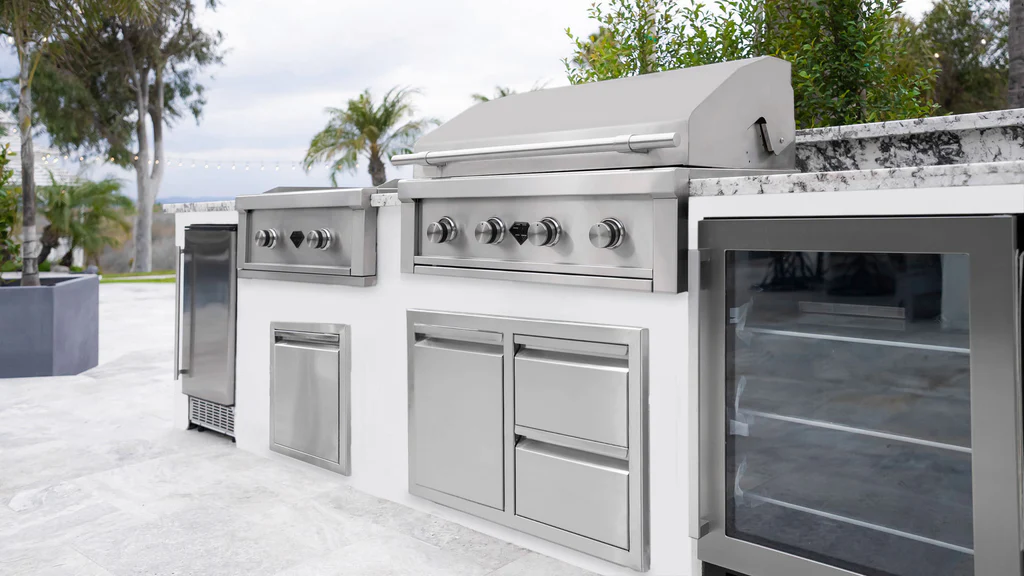
Seat zones should be shaded and downwind of cooking heat. Cooking surfaces should sit where breezes pass by. Minimize vertical walls to allow unobstructed airflow.
Using Ice Buckets and Cooling Towels for Relief
Ice buckets and chilled towels give quick personal cooling. Place them near prep and seating zones. They help comfort but don’t substitute structural cooling methods.
Combining Shade Structures for Maximum Effect
Mix pergolas, umbrellas, fabrics, and landscaping to layer cooling. Each structure reduces solar gain by portions; together they deliver better results. Use complementary designs without blocking ventilation.
Cooling Off Outdoor Kitchens Without Electricity
Rely on shade, passive airflow, and water-based cooling like fountains or misters. Use natural materials and ventilation strategies. Ice-based cooling tools or sun shades also help during outages.
The Role of Color Psychology in Cooling Spaces
Cool colors like blues, greens, and whites create a visual sense of coolness. Use these hues in décor, furniture, and finishes. Combined with physical cooling, color can influence perception of temperature.
How Smart Home Systems Can Control Outdoor Cooling
Automate shade, fans, and misters using sensors and timers. Smart control ensures cooling runs when needed—not wastefully. Integrate with weather forecasts to adapt in real time.
Eco-Friendly Cooling Options for Outdoor Kitchens
Solar fans, passive shading, and planted green roofs reduce energy use. Use sustainable materials and avoid high-energy systems. Rainwater-fed misters or natural cooling systems also help.
Final Tips to Stay Cool and Entertain Comfortably Outdoors
Balance shade, airflow, and water-based cooling to comprehensively cool your space. Test different combinations and adjust for seasonal sun angles. Enjoy your outdoor kitchen without overheating.
Conclusion
To cool off an open outdoor kitchen, use shade structures like pergolas and umbrellas.Install fans or misting systems to improve airflow and reduce heat. These simple additions make outdoor cooking more comfortable and enjoyable.
FAQ”s
1. What is the best way to cool an open outdoor kitchen?
The best way is to use shade structures like pergolas or umbrellas. Adding fans or misting systems increases airflow and lowers temperature. Combining these methods gives the most effective cooling.
2. Can ceiling fans be used outdoors?
Yes, ceiling fans that are rated for outdoor use are safe and effective. They help improve air circulation and reduce heat. It’s best to install them in covered or semi-covered areas.
3. Do misting systems really help in cooling?
Yes, misting systems cool the air by releasing fine water droplets. They work best in dry, hot climates. Install them near seating or cooking areas for maximum effect.
4. Is it safe to use electric fans or lights in open kitchens?
Yes, as long as they are weatherproof and outdoor-rated. Make sure wires are protected from water exposure. Professional installation is recommended for safety.
5. How can shade structures help cool the space?
Shade structures block direct sunlight, reducing heat significantly. Pergolas, awnings, or large umbrellas work well. Adding plants or covers on top can enhance the cooling effect.
6. Can trees or plants help in cooling?
Yes, plants and trees provide natural shade and help cool the area. They also improve air quality and create a pleasant atmosphere. Surrounding the kitchen with greenery is highly beneficial.
7. What are some no-electricity cooling options?
You can use natural shade like trees, fabric canopies, and reflective surfaces. Clay pots or small water features also help cool the space. These eco-friendly methods don’t require power.
8. Are portable fans effective for outdoor kitchens?
Yes, portable fans offer flexible and instant airflow. Rechargeable or battery-powered fans are especially useful in outdoor settings. Place them near seating or cooking spots for best results.
9. What materials stay cooler in hot weather?
Materials like light-colored stone, tile, or concrete stay cooler than dark metals. Avoid surfaces that absorb heat easily. Reflective or insulated materials help maintain lower temperatures.
10. Can I use my outdoor kitchen in peak summer heat?
Yes, with the right cooling methods in place. Cook during cooler parts of the day like mornings or evenings. Stay hydrated and use fans or misting systems to stay comfortable.