Danish223
Small ants gather around kitchen sinks mainly because they are attracted to moisture, food residue, and warmth. Even tiny crumbs or water droplets can be enough to draw them in. Once one ant finds a source, it leaves a scent trail for others to follow. This quickly turns a small issue into a visible infestation.
To get rid of small ants around the kitchen sink, thoroughly clean the sink, drain, and surrounding areas to remove food residue and scent trails. Fix any leaks and keep the area completely dry to eliminate their water source. Place ant bait near entry points so ants carry it back to the colony and eliminate the infestation at its source.
In This Article We Discuss About “how to get rid of small ants around kitchen sink”
What Causes Tiny Ants to Appear Near the Sink Drain?
Tiny ants near the sink drain are usually searching for water and organic buildup inside pipes. Grease, soap residue, and food particles create an ideal environment for them. Dark, damp drains also provide shelter. These conditions make sink drains a frequent ant hotspot.
Are Small Ants Coming From the Kitchen Sink Drain?
Yes, in many cases small ants appear to come directly from the sink drain. Some species nest in moist plumbing systems or wall voids connected to pipes. If ants seem to emerge after using water, the drain is likely involved. Regular drain cleaning can help stop this issue.
How Do Ants Find Water Around the Kitchen Sink?
Ants are excellent at detecting moisture and humidity. Leaky faucets, condensation, and standing water under the sink attract them quickly. Even overnight moisture is enough to sustain a colony. Kitchens provide a reliable water source, making sinks a primary target.
Common Types of Small Ants Found Around Kitchen Sinks
Common ants around kitchen sinks include small black ants, sugar ants, pavement ants, and drain ants. Each species is drawn to different food sources but all need water. Identifying the type helps choose the right treatment. Some ants require bait, while others respond better to moisture control.
Do Small Black Ants Live Inside Sink Drains?
Small black ants usually do not live permanently inside drains, but they may travel through them. They often nest in walls, cabinets, or soil nearby. Drains act as access points because of moisture and food residue. Treating both the drain and surrounding areas is essential.
How Moisture Under the Sink Attracts Ants
Moisture under the sink creates a perfect environment for ants to thrive. Leaks, damp wood, and condensation offer water and shelter. Over time, this area becomes an ideal nesting zone. Keeping the under-sink area dry is critical for prevention.
Can Leaky Pipes Cause Ant Infestations Near the Sink?
Yes, leaky pipes are a major cause of ant infestations near sinks. Constant dripping provides ants with a dependable water supply. Wet wood can also attract carpenter ants. Fixing plumbing issues removes one of the main reasons ants stay.
Step-by-Step Guide to Get Rid of Small Ants Around Kitchen Sink
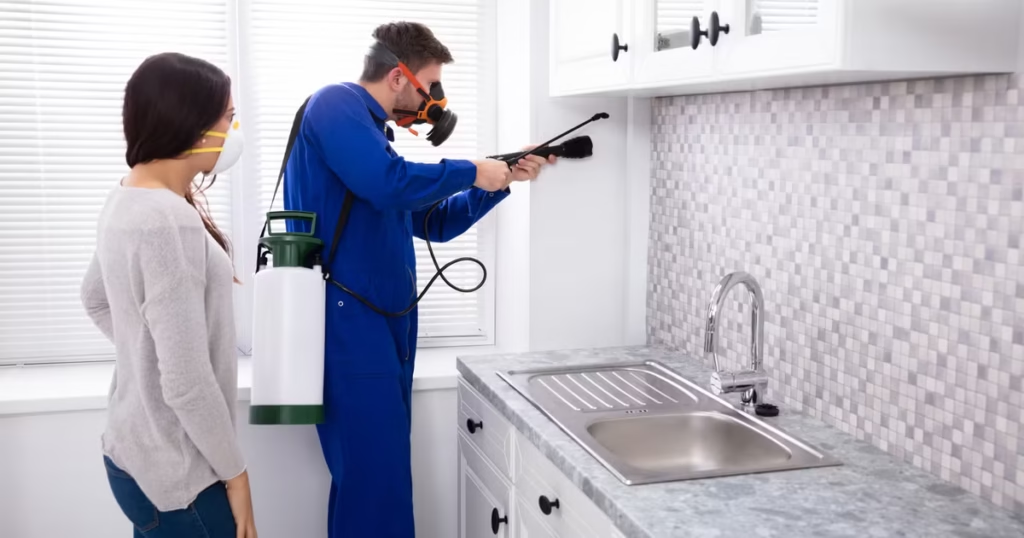
Start by cleaning the sink and removing all food residue. Fix leaks and dry the area completely. Remove scent trails with vinegar or soapy water. Finally, use ant bait to eliminate the colony at its source.
How to Clean Your Sink to Remove Ant Attraction
Scrub the sink daily using dish soap or vinegar to remove grease and food particles. Pay close attention to drains, strainers, and faucet bases. Rinse thoroughly and dry the surface. Consistent cleaning reduces ant attraction significantly.
The Best Way to Flush Ants Out of Sink Drains
Flushing drains with hot water helps remove food buildup and ants hiding inside. Baking soda followed by vinegar can break down residue naturally. This also disrupts ant trails inside pipes. Repeat weekly for best results.
Does Boiling Water Kill Ants in the Drain?
Boiling water can kill ants in the drain instantly on contact. It also washes away larvae and residue that attract ants. However, it may not eliminate the entire colony. Use it alongside other control methods for long-term success.
Baking Soda and Vinegar for Ants: Does It Work?
Baking soda and vinegar help clean drains and remove scent trails. While they may kill some ants, they work best as a preventive solution. This method reduces attraction rather than fully eliminating colonies. It is safe and effective for maintenance.
How to Remove Ant Scent Trails Around the Sink
Ants rely on scent trails to guide others to food and water. Wipe surfaces with vinegar, soapy water, or lemon solution. Focus on counters, pipes, and cabinet edges. Removing trails prevents ants from returning.
Why Ants Keep Coming Back After Cleaning
Ants often return because the colony is still alive nearby. Cleaning removes visible ants but not the nest. Moisture, hidden food, or unsealed entry points allow reinfestation. Baiting and sealing are necessary for permanent control.
How to Seal Sink Gaps to Stop Ant Entry
Seal gaps around pipes, faucets, and countertops with waterproof caulk. Check for cracks under the sink and along walls. These openings are common ant entry points. Proper sealing blocks access effectively.
The Best Ant Baits for Kitchen Sink Areas
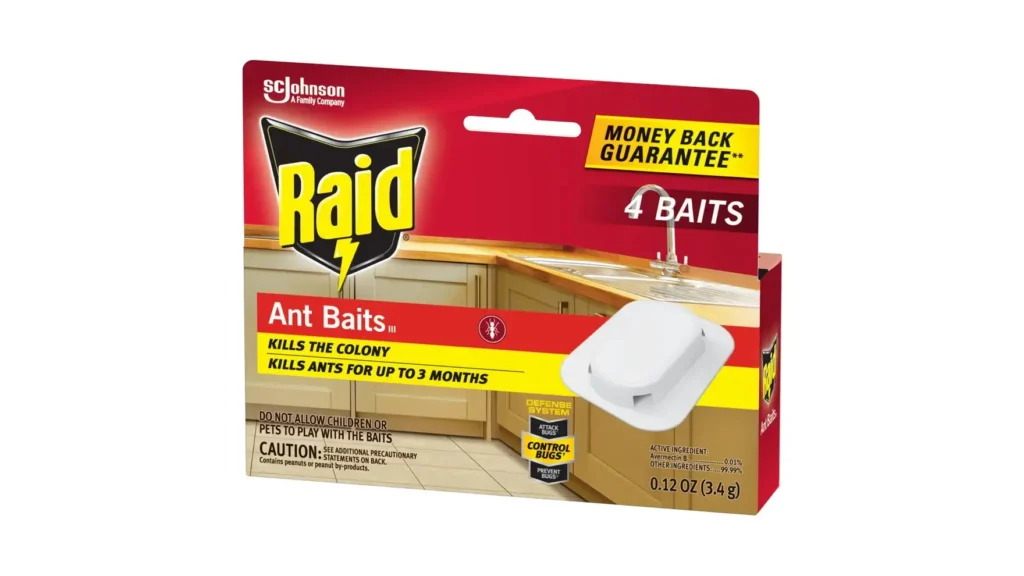
Ant baits work by carrying poison back to the colony. Place them near sink entry points and ant trails. Avoid sprays, as they only kill surface ants. Baits provide long-term elimination.
Should You Use Ant Traps Under the Sink?
Ant traps can be effective when placed under the sink where ants travel. They help monitor and reduce activity. Traps work best when combined with cleaning and sealing. Consistent placement improves results.
Natural Remedies to Get Rid of Small Ants Fast
Natural remedies include vinegar, lemon juice, cinnamon, and essential oils. These repel ants and disrupt trails quickly. While effective short term, they may not destroy colonies. Use them alongside bait for best results.
Does Vinegar Repel Ants Around the Kitchen Sink?
Vinegar repels ants by masking their scent trails. Spraying it around sinks and counters keeps ants away temporarily. It also cleans surfaces at the same time. Regular application is needed for lasting effect.
Using Peppermint Oil to Deter Ants Naturally
Peppermint oil is a strong natural ant repellent. Mix it with water and spray around sink areas. The strong scent disrupts ant navigation. It is safe and effective for ongoing prevention.
Is Borax Safe for Killing Ants Near the Sink?
Borax can kill ants when mixed with sugar as bait. However, it must be used carefully around kitchens. Keep it away from children and pets. Proper placement ensures safe and effective control.
How to Use Diatomaceous Earth Under the Sink
Diatomaceous earth kills ants by damaging their exoskeletons. Sprinkle a thin layer under the sink and along entry points. Use food-grade DE for safety. It works best in dry conditions.
When to Call Professional Pest Control for Sink Ants
Call pest control if ants persist despite repeated treatments. Large colonies or carpenter ants require expert handling. Professionals identify species and nesting areas. This ensures long-term prevention.
How to Identify the Source of Ants Around Your Sink
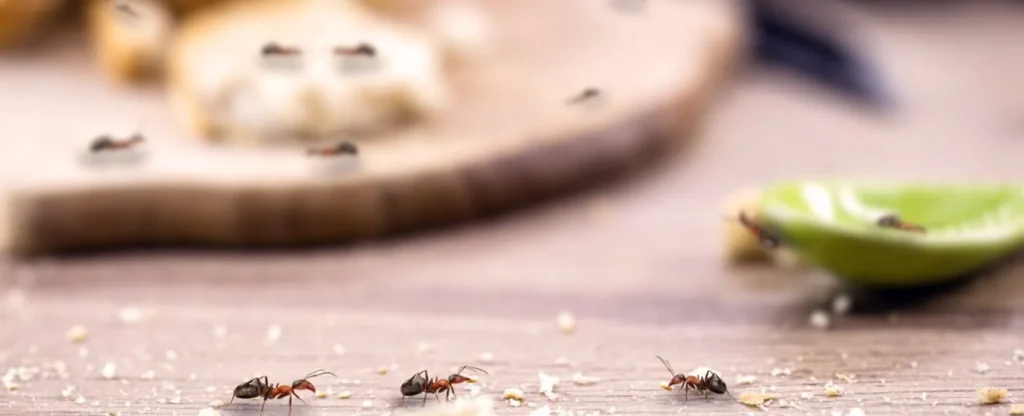
Follow ant trails to locate entry points and nests. Check pipes, cabinets, walls, and nearby windows. Identifying the source prevents repeated infestations. This step is crucial for permanent control.
Are Ants in the Sink a Sign of a Bigger Infestation?
Yes, ants in the sink often indicate a nearby colony. Visible ants are usually only a small portion of the problem. Ignoring early signs allows infestations to grow. Early treatment saves time and effort.
How to Prevent Small Ants Around Kitchen Sink Permanently
Permanent prevention requires cleanliness, moisture control, and sealing gaps. Fix leaks promptly and store food properly. Regular inspections help catch issues early. Consistency is key to long-term success.
Daily Cleaning Habits That Keep Sink Ants Away
Wipe sinks dry after use and wash dishes promptly. Empty strainers and clean drains regularly. Remove crumbs and spills immediately. Daily habits make kitchens unattractive to ants.
How to Fix Plumbing Issues That Attract Ants
Repair leaking pipes and dripping faucets as soon as possible. Replace damaged seals and hoses. Dry the under-sink area completely. Eliminating moisture removes a major ant attractant.
Can Garbage Disposals Attract Ants?
Yes, garbage disposals trap food residue that attracts ants. Clean them regularly with baking soda and lemon. Run water after use to flush debris. A clean disposal reduces ant activity.
Why Ants Are Active in Spring and Summer Near Sinks
Warm weather increases ant activity and colony growth. Ants search for water during hot months. Kitchens provide both moisture and food. Seasonal prevention is especially important.
Do Carpenter Ants Hide Under Kitchen Sinks?
If the wood is moist, carpenter ants may build their nest beneath sinks. They are attracted to moisture-damaged wood. This can lead to structural damage. Immediate action is required if they are suspected.
How to Stop Ants from Climbing Up Kitchen Counters
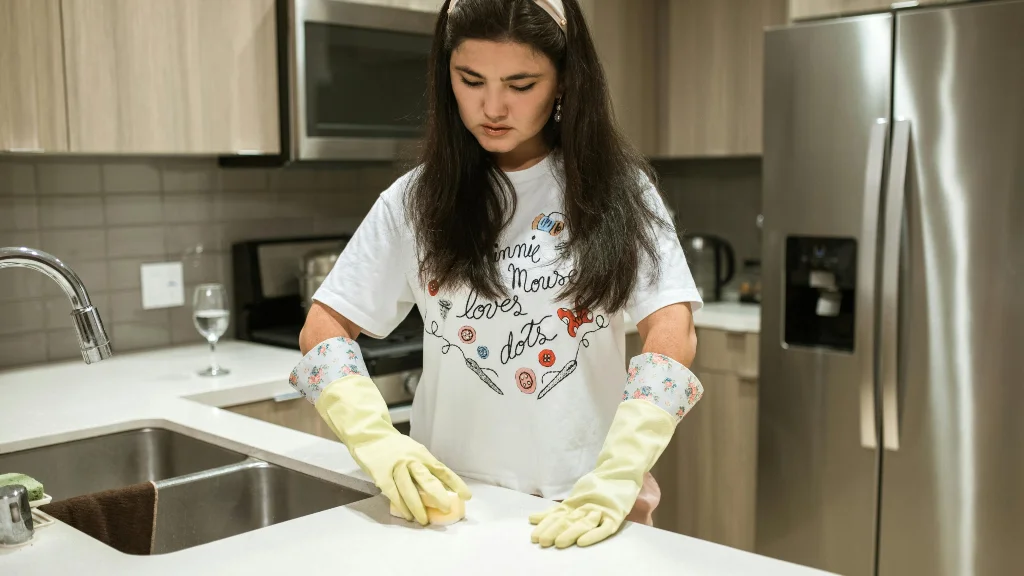
Clean counters daily and remove scent trails. Seal edges and cracks where counters meet walls. Place deterrents along entry paths. This prevents ants from reaching food areas.
What Smells Attract Small Ants to the Sink?
Sweet, greasy, and fermented smells attract ants. Food residue, soap, and garbage odors are common triggers. Keeping sinks odor-free reduces attraction. Regular cleaning is essential.
How to Get Rid of Tiny Black Ants in Kitchen Sink Overnight
Clean thoroughly, remove trails, and place bait near entry points. Dry the sink completely before bed. This disrupts their activity quickly. Results are often visible by morning.
Are Drain Ants Different from Sugar Ants?
Yes, drain ants prefer moist environments, while sugar ants seek sweet foods. Drain ants are often linked to plumbing issues. Proper identification helps choose effective treatment. Each requires a different approach.
How to Check for Hidden Ant Nests Behind the Sink
Inspect wall gaps, cabinets, and plumbing lines. Look for ant trails or sawdust. Use a flashlight for dark areas. Finding nests is key to elimination.
The Fastest Way to Eliminate Ant Trails in the Kitchen
Wipe trails with vinegar or soapy water immediately. Vacuum visible ants and crumbs. Repeat until activity stops. Fast action prevents colony expansion.
Should You Spray or Use Bait for Sink Ants?
Bait is more effective than spray for long-term control. Sprays kill visible ants but leave colonies intact. Baits eliminate ants at the source. Use sprays only for quick relief.
How to Keep Bathroom and Kitchen Sink Ant-Free
Apply the same prevention methods to both sinks. Control moisture and clean drains regularly. Seal plumbing entry points. Consistency across rooms prevents spread.
Can Standing Water Cause Ant Problems?
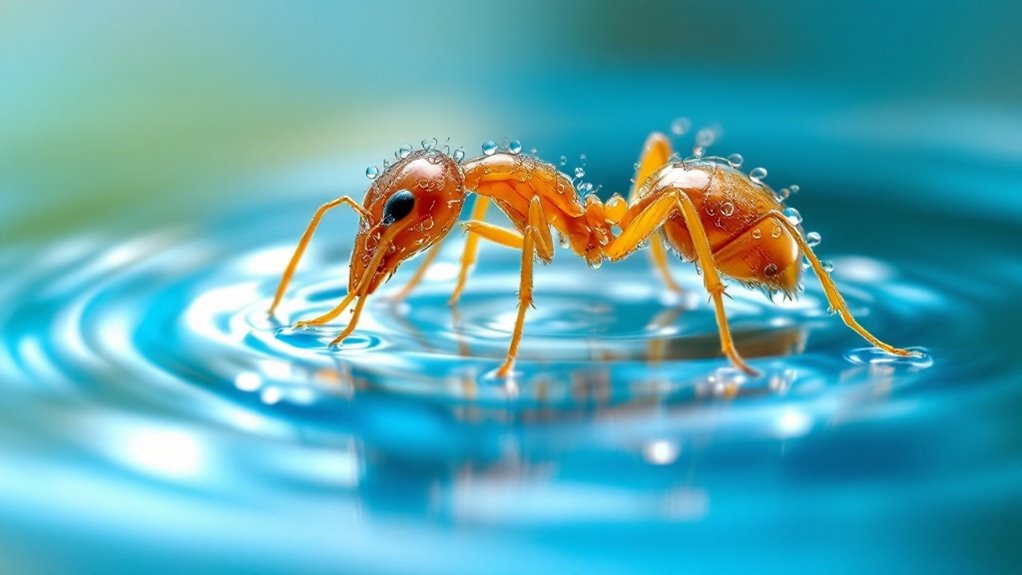
Standing water is a major ant attractant. Even small puddles provide hydration. Dry sinks and counters after use. Removing water sources reduces infestations.
How to Ant-Proof Your Kitchen Sink Area
Seal gaps, fix leaks, and clean daily. Use deterrents along entry points. Store food properly and maintain drains. These steps create an ant-proof zone.
Long-Term Solutions for Small Ants Around Kitchen Sink
Long-term solutions include colony elimination, moisture control, and routine maintenance. Regular inspections prevent reentry. Prevention is more effective than repeated treatments.
Signs You Need an Exterminator for Ants
Large numbers, recurring infestations, or carpenter ants signal professional help. Structural damage is a serious warning sign. Experts provide targeted solutions. Early action saves money.
How to Prevent Ants from Returning After Treatment
Continue cleaning and sealing after treatment. Monitor for new trails regularly. Reapply preventive measures as needed. Consistent maintenance prevents recurrence.
Kitchen Sink Maintenance Tips to Avoid Ants
Clean drains weekly and inspect plumbing monthly. Keep the area dry and clutter-free. Store cleaning supplies properly. Maintenance reduces future infestations.
Are Essential Oils Effective Against Small Ants?
Essential oils repel ants effectively when used correctly. They disrupt scent trails and deter entry. However, they do not kill colonies. Use them as part of a broader plan.
How Food Residue in Drains Attracts Ants
Food residue feeds ants and supports colony growth. Grease and sugar are especially attractive. Regular drain cleaning removes this food source. This is a critical prevention step.
Mistakes That Make Small Ant Infestations Worse
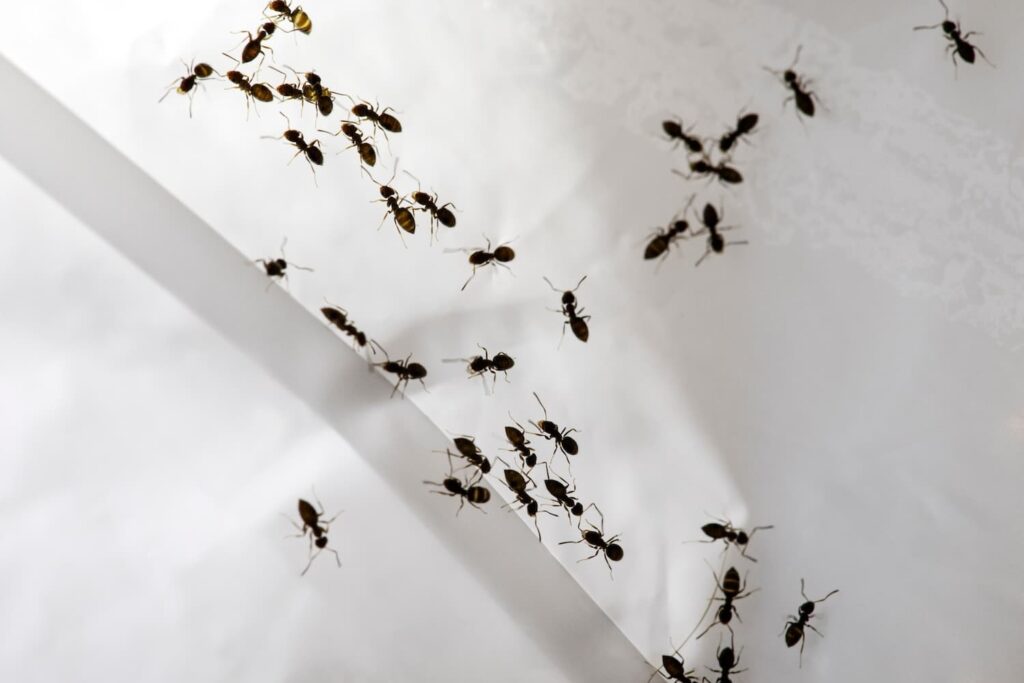
Ignoring leaks, using only sprays, and inconsistent cleaning worsen infestations. It is useless to kill ants that are visible without taking care of the nest. Prevention requires a complete approach.
The Ultimate Guide to Getting Rid of Small Ants Around Kitchen Sink
Getting rid of small ants around the kitchen sink requires cleaning, moisture control, sealing entry points, and using bait. Addressing the root cause ensures long-term success. Consistent habits prevent reinfestation and keep your kitchen ant-free.
FAQ’s
1. Why are there small ants around my kitchen sink?
Small ants are usually attracted to moisture, food crumbs, grease, or sugar residue around the sink area. Even a tiny leak or damp sponge can provide enough water to sustain them. Once one ant finds a source, it leaves a scent trail that leads others to the same spot.
2. How do I get rid of small ants around my kitchen sink fast?
Start by thoroughly cleaning the sink, drain, and surrounding counters to remove food residue and scent trails. Fix any leaks and dry the area completely. Then place ant bait near entry points so workers carry it back to the colony and eliminate it at the source.
3. Can ants come up through the kitchen sink drain?
Yes, ants can travel through plumbing gaps and sometimes appear to come up from the drain. They are usually nesting in nearby walls, cabinets, or soil outside. Cleaning and flushing the drain helps, but sealing entry points and using bait is necessary for full removal.
4. Does vinegar kill ants around the sink?
Vinegar does not usually kill the entire colony, but it effectively removes scent trails and repels ants. Spraying a mixture of vinegar and water around the sink disrupts their navigation. It works best as a preventive and cleaning solution rather than a permanent fix.
5. What is the best bait for small ants in the kitchen?
Liquid ant baits designed for indoor use are typically the most effective option. These attract ants and allow them to carry poison back to the nest. Baits work better than sprays because they target the colony instead of just killing visible ants.
6. Why do ants keep coming back after I clean the sink?
Ants return when the main colony is still active nearby. Cleaning removes visible ants but does not eliminate the nest. If moisture, entry gaps, or hidden food sources remain, ants will continue to reappear until the root cause is addressed.
7. Can boiling water remove ants from the sink drain?
Boiling water can kill ants inside the drain and wash away food buildup. However, it usually does not destroy the entire colony. It is most effective when combined with proper cleaning, sealing, and bait placement.
8. Are small black ants in the sink dangerous?
Most small black ants are more of a nuisance than a danger. However, they can contaminate food surfaces and multiply quickly. If you suspect carpenter ants or structural damage, professional inspection may be necessary.
9. How can I prevent ants from coming back around my sink?
Keep the sink area clean and completely dry after use. Fix leaks immediately and seal cracks around pipes and walls. Regular maintenance and proper food storage greatly reduce the chances of future infestations.
10. When should I call pest control for ants near my kitchen sink?
You should call a professional if ants persist despite repeated treatments or if you notice large numbers daily. Infestations that recur frequently point to a concealed nest or structural problem. Pest control experts can identify the species and provide targeted, long-term solutions.
Conclusion
Getting rid of small ants around the kitchen sink requires more than just killing the visible insects. You must eliminate food residue, control moisture, seal entry points, and use effective ant bait to destroy the colony at its source. With consistent cleaning and proper prevention methods, you can keep your kitchen sink area ant-free and stop infestations from returning.