Danish223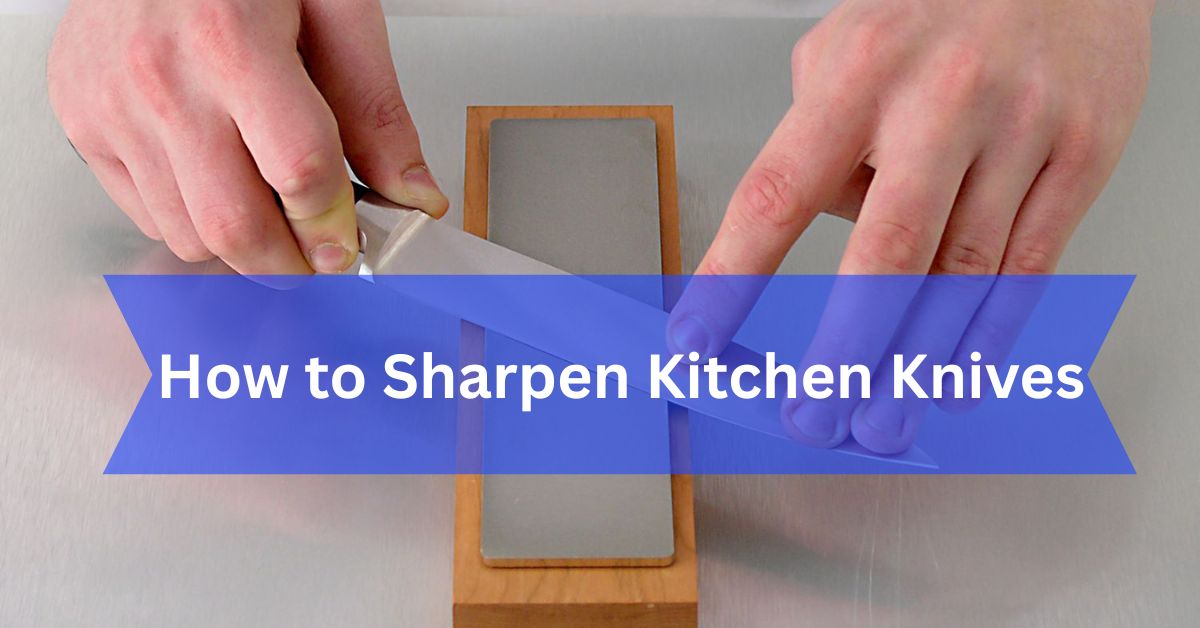
Sharpening removes material from the knife blade to create a new edge, while honing straightens and aligns an existing edge. Although they have different functions, both procedures are crucial. Regular honing extends the life of a sharpened knife.
To sharpen kitchen knives, use a whetstone, honing rod, or electric sharpener and hold the blade at a 15–20° angle. Move the knife in smooth, even strokes on both sides to create a sharp edge. Clean the blade and test it—sharp knives should cut smoothly and safely.
In This Article We Discuss “how to sharpen kitchen knives”
How to Tell If Your Knife Needs Sharpening
A simple paper test can determine your knife’s sharpness. Slice through a piece of paper; if it tears, the knife needs sharpening. Dull knives also require more effort to cut through food safely.
Common Myths About Knife Sharpening
Many believe electric sharpeners ruin knives, but the right use preserves edges. Another myth is that honing replaces sharpening, which is not true. Understanding these myths helps maintain knives properly.
Why Keeping Knives Sharp is Crucial for Safety
A sharp knife reduces slippage while cutting, preventing accidents. Dull blades require more force and can lead to injuries. Food preparation is quicker and more effective with sharp knives.
Choosing the Right Knife Sharpener for Your Kitchen
Different knives need different sharpeners, from whetstones to steels and electric devices. Consider your knife type, frequency of use, and comfort with manual tools. Choosing the right sharpener ensures optimal performance.
Manual vs. Electric Knife Sharpeners: Pros and Cons
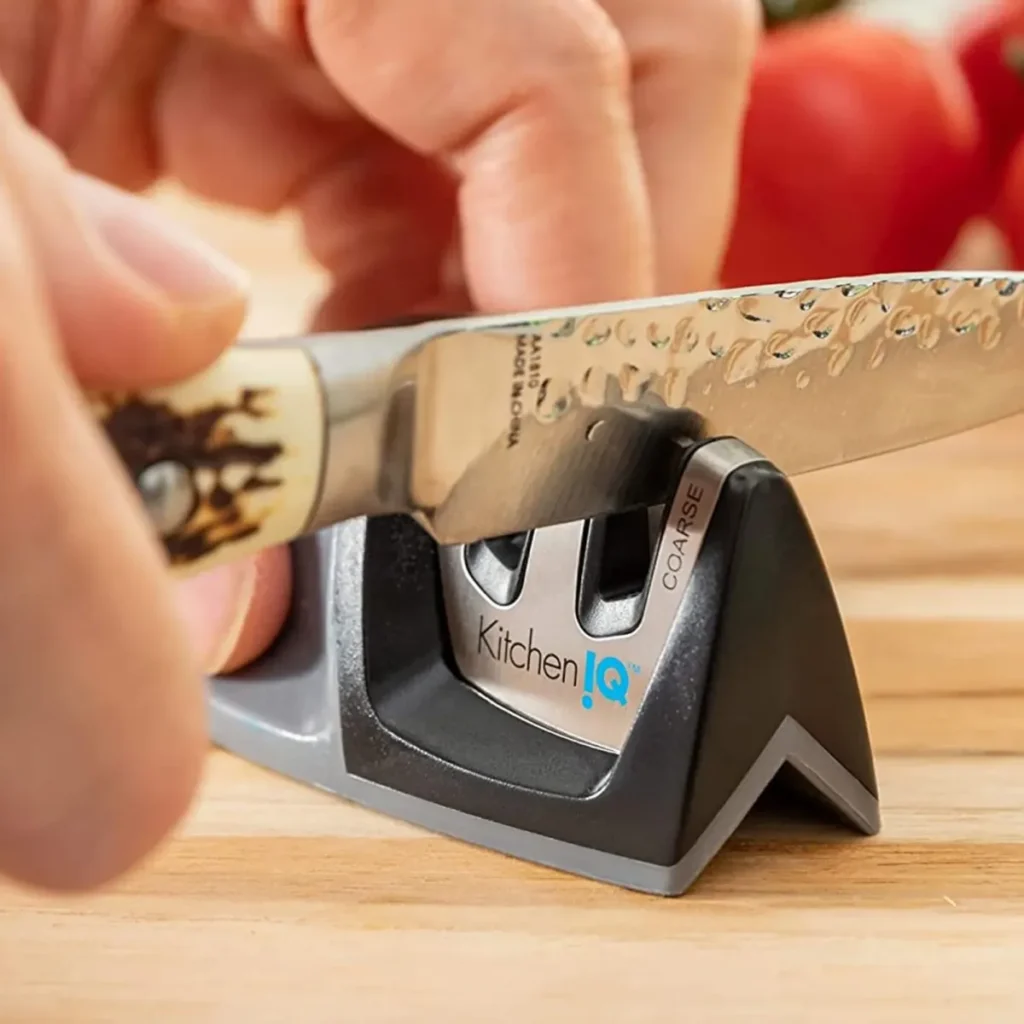
Manual sharpeners allow more control but require practice. Electric sharpeners are quick and consistent but may remove more metal. Assess your needs and skills before selecting a type.
How to Use a Whetstone to Sharpen Knives
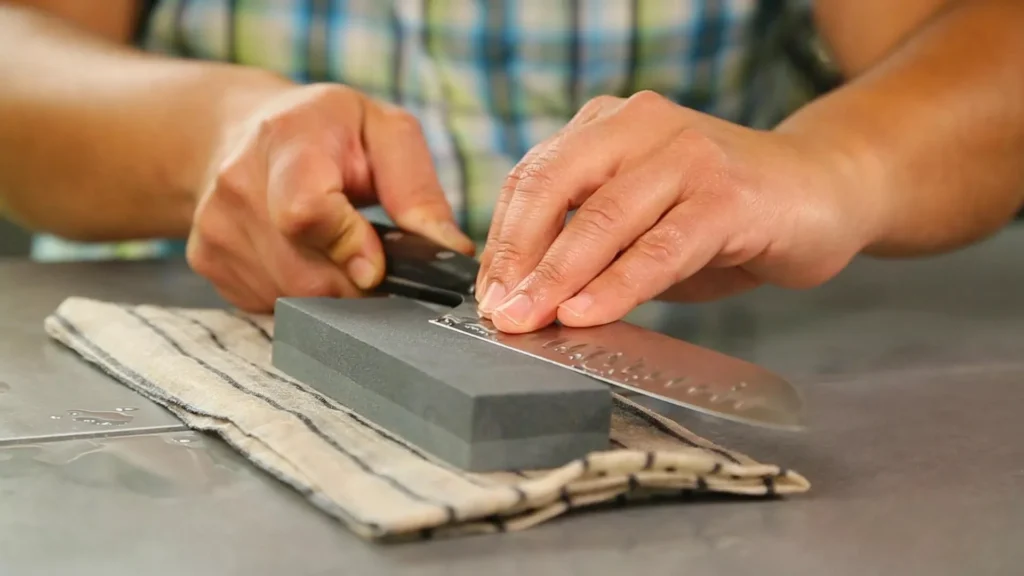
Whetstones allow precise sharpening for professional results. Hold the knife at a constant angle and soak the stone before using it. Glide the blade across both coarse and fine sides for best results.
Using a Ceramic Honing Rod for Everyday Maintenance
Honing rods realign the knife edge without removing significant material. Use a ceramic rod regularly to maintain sharpness. It is especially effective for Japanese and high-carbon steel knives.
Diamond Steel Sharpeners: Are They Worth It?
Diamond steels are harder and more aggressive than regular rods. They quickly restore dull edges but can wear down knives if overused. Ideal for very dull knives or hard steel types.
How to Sharpen Knives Without a Professional Tool
Even household items can sharpen knives in emergencies. Items like ceramic mugs or rough cutting boards can help maintain an edge temporarily. These methods are not substitutes for proper sharpening tools.
Using a Coffee Mug to Sharpen a Knife in a Pinch
The unglazed bottom of a coffee mug can act as a makeshift sharpening surface. Hold the knife at a 15-20 degree angle and glide it across the ceramic. This is a quick fix for minor dullness.
How to Sharpen a Knife Using a Honing Rod
Hold the rod firmly and sweep the knife along its length. Maintain a steady angle and apply light pressure. Alternate sides to ensure even honing.
The Freehand Method for Knife Sharpening
This technique involves holding the knife in hand and drawing it across the sharpening surface. It requires precision and practice. Perfect for experienced users.
The Body-Braced Method Explained
For control and stability, brace the rod against your body. From the heel to the tip, move the knife along the rod. This method reduces risk of slipping during sharpening.
Bench Method: Safe and Precise Knife Sharpening
Place the rod tip on a flat surface and use it as a stationary guide. Draw the knife across evenly for a consistent edge. This method is recommended for beginners.
Step-by-Step Guide to Using a Whetstone
Soak the stone and hold the knife at the proper angle. Sharpen one side first, then flip for the other. For a polished edge, use the fine grit side last.
Sharpening the Heel and Tip of the Knife Properly
Many overlook the heel and tip, leading to uneven edges. Focus on these areas with smaller, controlled strokes. Proper coverage ensures complete sharpness.
Maintaining a Consistent Sharpening Angle
Consistency is key to a sharp knife. Use guides or practice holding the knife steady. A uniform angle creates a durable, precise edge.
How to Achieve a Razor-Sharp Edge Every Time
Combine proper tools, consistent angles, and step-by-step techniques. Regular honing between sharpenings maintains sharpness. Patience and practice ensure professional results.
Sharpening a Santoku Knife: Tips and Tricks
Santoku knives have unique angles, usually 15 degrees per side. Use gentle pressure and avoid aggressive grinding. Maintaining the edge enhances slicing performance.
How to Sharpen Serrated Knives Correctly
Serrated knives require special tools or fine rods. Sharpen each scallop individually. Avoid flattening the serrations for long-lasting sharpness.
Tips for Japanese Knife Sharpening
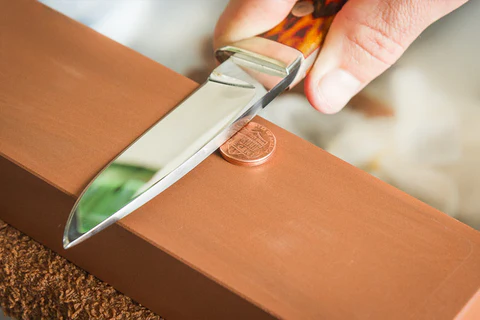
Japanese knives have harder steel and delicate edges. Use high-grit stones or ceramic rods. Avoid heavy pressure to prevent chipping.
Sharpening Carbon Steel vs Stainless Steel Knives
Carbon steel sharpens faster but corrodes easily. Stainless steel is durable but requires more effort. Tailor sharpening techniques to the knife material.
Maintaining a Chef’s Knife for Professional Use
Frequent honing keeps the blade functional throughout the day. Periodic sharpening ensures precision. Store carefully to avoid dulling or damage.
How to Care for Your Knife After Sharpening
Rinse and dry knives thoroughly after use. Avoid abrasive cleaning tools that damage edges. Proper care preserves sharpness and extends blade life.
Cleaning and Storing Your Sharpening Tools
Wipe rods and stones after use to remove metal particles. To avoid rust or wear, store in a dry location. Maintaining tools ensures effectiveness.
How to Maintain Your Honing Rod
Use a damp cloth to clean the rod regularly. Avoid touching the surface with oily fingers. Proper care extends its lifespan.
Polishing Knives After Sharpening
Polishing removes microscopic burrs and smooths edges. Use a fine stone or soft cloth. This step enhances cutting performance and durability.
How Often Should You Sharpen Your Knives?
Sharpening frequency depends on use and blade type. Professional chefs sharpen daily, while home cooks may sharpen weekly. Regular maintenance prevents dulling.
How to Store Knives to Keep Them Sharp Longer
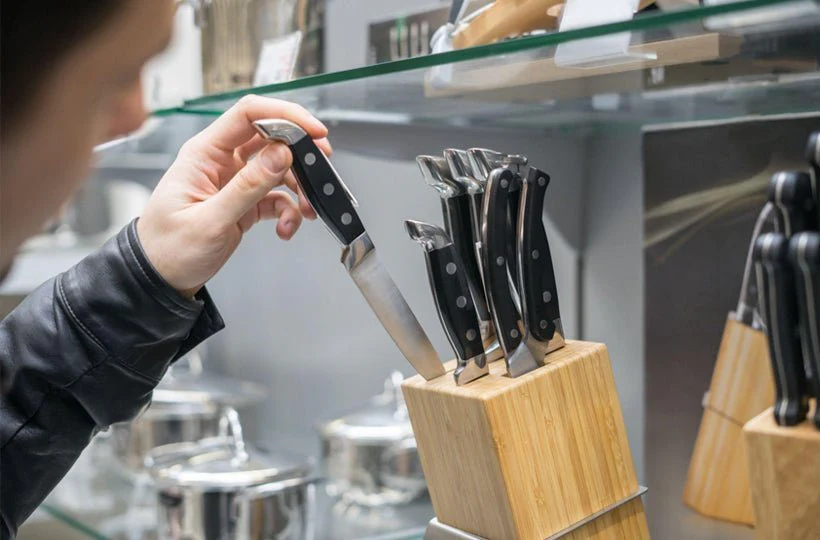
Use knife blocks, magnetic strips, or guards. Avoid piling knives in drawers. Correct storage reduces edge damage and extends sharpness.
How to Fix a Chipped Knife Blade
Minor chips can be repaired with coarse stones. Work slowly to restore the edge without further damage. Severe chips may require professional sharpening.
Using a Guide to Set the Perfect Sharpening Angle
Angle guides help maintain consistency for beginners. They prevent over- or under-sharpening. Proper angles improve cutting efficiency.
How to Avoid Over-Sharpening Your Knives
Excessive sharpening removes too much metal, shortening blade life. Stick to gradual sharpening and regular honing. Balance is key.
Knife Sharpening Hacks for Small Kitchen Knives
Small knives require controlled strokes and lighter pressure. Use small stones or mug bottoms. Precision prevents edge damage.
Choosing the Right Grit for Your Whetstone
Coarse grit removes material quickly, fine grit polishes the edge. Select based on dullness and blade type. Using the right grit speeds sharpening.
Sharpening Multi-Tool or Specialty Knives at Home
Follow manufacturer instructions and use appropriate tools. Avoid forcing edges that are too hard. Patience ensures safe and effective sharpening.
Knife Sharpening Safety Tips You Must Follow
Always focus on stability and angle control. Keep fingers clear of blades. Wear protective gloves if necessary.
How to Sharpen Knives Without Damaging Your Hands
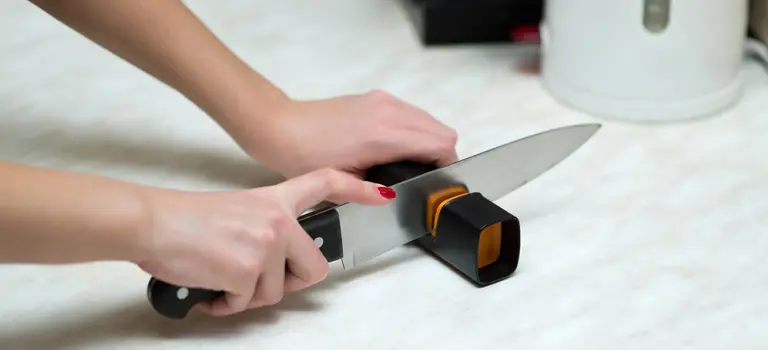
Use proper techniques and firm grips. Avoid excessive pressure or awkward angles. Safety prevents injuries and maintains precision.
How to Work Efficiently While Sharpening Multiple Knives
Prepare your workspace and tools in advance. Sharpen knives in batches for consistency. Take breaks to prevent fatigue.
How to Test Sharpness Safely at Home
Use paper or tomato tests to check sharpness. Avoid cutting fingers or other unsafe items. Testing ensures readiness without risk.
Preventing Slips and Accidents During Sharpening
Secure surfaces and use non-slip mats. Hold knives and sharpeners firmly. Awareness reduces accidents significantly.
What to Do When Your Knife Won’t Sharpen
Check for hardened steel or improper technique. Try a different grit or tool. Persistent dullness may require professional attention.
How to Remove Burrs After Sharpening
Use a fine stone or honing rod to remove burrs. Sweep gently to avoid cutting yourself. Burr-free edges improve performance.
Fixing Uneven Edges on Your Knife
Identify high or low spots along the edge. Focus sharpening on the uneven areas. Gradual correction restores symmetry.
How to Deal with Hardened or Rusted Blades
Soak in oil or use rust removers before sharpening. Avoid aggressive grinding that can crack the edge. Clean thoroughly afterward.
Professional Chef Tips for Keeping Knives Sharp
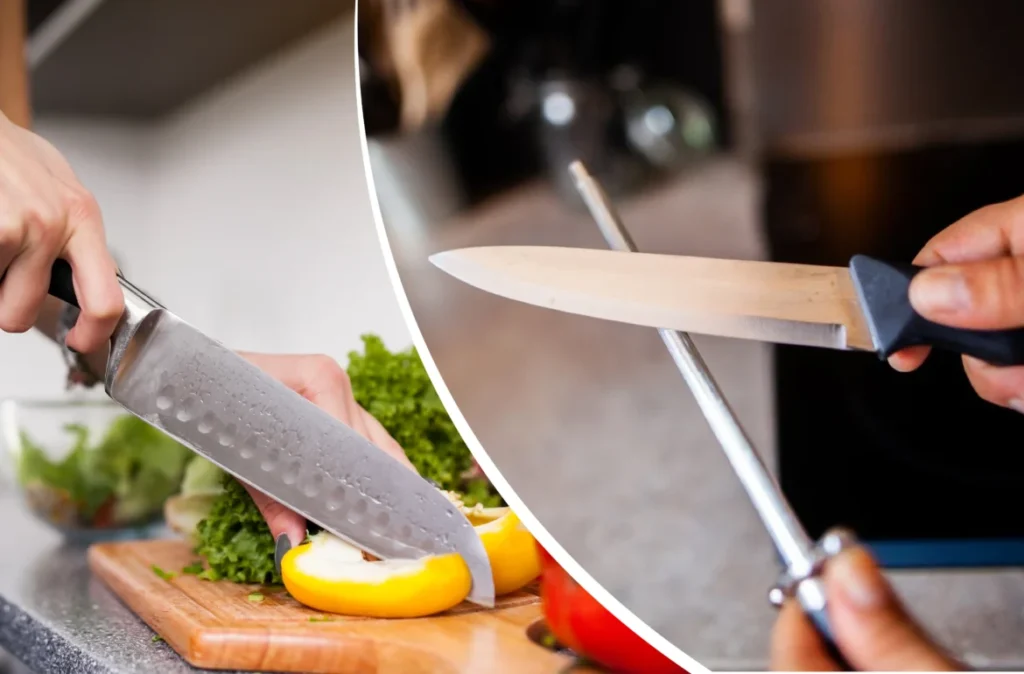
Hone frequently between uses. Sharpen only when necessary. Proper storage and handling extend blade life.
How to Sharpen Knives for Different Cooking Styles
Adjust angles and pressure based on slicing, chopping, or dicing needs. Specialty knives may require unique approaches. Tailor sharpening for performance.
Using Sharpening Tools Like a Pro at Home
Practice consistent angles and controlled strokes. Learn each tool’s characteristics. Professional techniques improve results.
When to Send Your Knife to a Professional Sharpener
Deep chips, cracks, or severely worn blades require expert attention. Professionals restore precision and extend lifespan. Avoid DIY for extreme damage.
Knife Sharpening Takeaways: Quick Recap for Beginners
Sharpen and hone regularly for safety. Use the right tools and angles for each knife type. Proper care ensures long-lasting, sharp blades.
FAQ’s
1. How often should I sharpen my knives?
It depends on usage and knife type. Home cooks may sharpen every few months, while professional chefs sharpen daily. Regular honing in between extends the time between full sharpenings.
2. What is the difference between honing and sharpening?
While honing realigns an existing edge, sharpening removes metal to generate a new edge.Honing maintains sharpness, but sharpening restores it. Both are necessary for optimal knife performance.
3. Can I use a coffee mug to sharpen a knife?
Yes, the unglazed bottom of a mug can act as a makeshift sharpening surface. Hold the knife at an angle and glide it gently across the ceramic. This method is suitable only for minor touch-ups.
4. Is it better to use a manual or electric sharpener?
Manual sharpeners offer more control and precision, while electric sharpeners are faster and more convenient. The choice depends on your skill level and the type of knives you have.
5. Can serrated knives be sharpened at home?
Yes, but they require special tools like a tapered rod or a fine file. Sharpen each scallop individually without flattening the serrations. This preserves the cutting efficiency of the knife.
6. How do I maintain a sharpening stone?
After every use, wipe the stone to get rid of any metal fragments. Some stones need soaking before use, while others remain dry. Proper maintenance ensures consistent sharpening results.
7. What is the right angle for sharpening a knife?
The majority of kitchen knives are sharpened to 15 to 20 degrees on each side. Japanese knives often use a smaller angle, around 10–15 degrees. Maintaining a consistent angle ensures a sharp, durable edge.
8. How can I test if my knife is sharp?
Use the paper test: a sharp knife will slice through paper cleanly. Tomatoes or other soft foods can also reveal sharpness. Avoid using your fingers for safety.
9. Can I sharpen a chipped knife at home?
Minor chips can be fixed with a coarse sharpening stone. Large or deep chips may require professional attention. Work slowly to avoid further damage to the blade.
10. How should I store knives to keep them sharp?
Use knife blocks, magnetic strips, or protective sheaths.Knives should not be thrown inside drawers where their edges may become dull. Proper storage preserves sharpness and extends blade life.
Conclusion
Sharpening kitchen knives is essential for safe and efficient cooking, ensuring smooth and precise cutting. By using the right tools and proper techniques, you can maintain the sharpness and performance of your blades. Regular sharpening keeps your knives durable, reliable, and ready for everyday kitchen tasks.