Danish223
Disposing of old kitchen cabinets might sound simple, but doing it right makes a big difference. Whether you’re remodeling or upgrading, proper removal saves time and reduces waste. Let’s explore easy and responsible ways to throw them away.
To throw away kitchen cabinets properly, first remove them carefully without damaging the walls or floors. Next, sort the materials—wood, metal, or particleboard—for recycling or disposal. If the cabinets are still in good condition, you can donate or sell them instead of throwing them away. For damaged ones, contact local waste collection services, hire a junk removal company, or rent a dumpster for large projects. Always follow local disposal regulations to ensure eco-friendly waste management.
In This Article We Discuss “how to throw away kitchen cabinets”
Why You Should Dispose of Old Kitchen Cabinets Properly
Improper disposal adds unnecessary waste to landfills. By recycling or donating, you help the environment and others in need. Responsible disposal also keeps your renovation area clean and organized.
Assessing the Condition of Your Cabinets
Check for damage, rot, or mold before deciding what to do. Cabinets in good condition can be reused or sold. Severely damaged ones should be properly discarded.
Can You Reuse or Recycle Old Cabinets?
Yes! Wooden and metal cabinets can be recycled easily. Reuse options include turning them into shelves, workbenches, or storage units.
When to Replace vs. When to Refinish
If cabinets are structurally sound, refinishing can save money. Replacement is best for warped, water-damaged, or broken units. Always evaluate your needs before deciding.
Tools You’ll Need for Cabinet Removal

Gather screwdrivers, a pry bar, hammer, and safety gear. The right tools make removal safe and efficient. Label parts to stay organized during dismantling.
Safety Precautions Before Disposal
Always wear gloves, goggles, and a mask. Switch off power to nearby outlets before starting. Clear the workspace to avoid accidents.
Removing Cabinet Doors and Hardware
Unscrew doors, knobs, and hinges first. Keep hardware in labeled bags for reuse or recycling. This step also makes cabinets lighter to move.
Detaching Wall Cabinets Safely
Support the cabinet bottom while unscrewing it from the wall. Use a helper to prevent falls or injuries. Work slowly to avoid wall damage.
Disconnecting Base Cabinets from the Wall
Cut through caulk and remove wall screws carefully. Check for plumbing or electrical connections before lifting. Use a pry bar for tight spots.
Separating Countertops from Cabinets
Countertops are usually attached with adhesive or screws. Gently pry them loose to prevent cracks. Handle stone or laminate tops with care.
How to Avoid Wall Damage During Removal
Cut any caulk lines and loosen screws gently. Avoid pulling or twisting cabinets forcefully. Patch small holes afterward for a smooth finish.
Sorting Materials for Disposal
Separate metal, plastic, and wood components. Recycling centers often accept sorted materials. This helps reduce waste and improves recycling efficiency.
Recycling Wood Cabinets
Solid wood cabinets can be repurposed or recycled into new furniture. Remove nails and screws first. Check with local recycling facilities for wood disposal options.
Disposing of Particleboard or MDF Cabinets
These materials are not easily recyclable. Contact your local waste facility for special disposal instructions. Avoid burning MDF due to toxic adhesives.
Donating Usable Cabinets to Charities

Many charities accept gently used cabinets. Donation helps families and keeps items out of landfills. Clean them before donating for better acceptance.
Selling Old Cabinets Online
Post your cabinets on Facebook Marketplace or Craigslist. Many buyers look for affordable renovation materials. Include clear photos and measurements for quick sales.
Repurposing Cabinets for DIY Projects
Turn old cabinets into creative home furniture. Use them as bookshelves, tool storage, or craft tables. A little paint and imagination go a long way.
Turning Old Cabinets into Garage Storage
Reinstall them in your garage for extra space. Perfect for organizing tools, paint, and supplies. It’s a cost-effective reuse solution.
Using Cabinets in the Laundry Room
Old cabinets fit perfectly above washers or dryers. They provide neat storage for cleaning products. They might appear brand new with a coat of paint.
How to Transport Cabinets for Disposal
Use a truck or trailer for larger cabinets. Secure them with straps to prevent damage. Always lift with your knees, not your back.
Renting a Dumpster for Large Projects
For full renovations, rent a dumpster. It’s convenient for disposing of large quantities of debris. Choose a size that fits your project needs.
Using Local Waste Collection Services
Many cities offer bulk pickup services. Schedule a pickup through your local waste department. Follow their rules for size and weight limits.
Hiring a Junk Removal Company
If you want a hassle-free solution, hire professionals. They’ll handle lifting, sorting, and hauling. It’s worth it if you’re short on time.
How to Schedule Bulk Pickup with the City
Visit your local sanitation website to request service. Place items curbside on the designated day. Confirm accepted materials before scheduling.
Environmental Impact of Improper Disposal

Dumping old cabinets increases landfill waste and pollution. Proper recycling helps conserve resources. Always think green when renovating.
Eco-Friendly Cabinet Disposal Options
Choose recycling or donation over dumping. Some companies specialize in eco-friendly demolition. It’s better for both the planet and your conscience.
Waste Disposal Regulations by State
Each state has specific rules for disposing of building materials. Check local laws before dumping or recycling. Following regulations avoids fines and waste.
Preparing Cabinets for Donation
Clean, dry, and remove hardware before donating. Ensure no mold, pests, or broken parts. Presenting clean cabinets increases their reuse chances.
Where to Donate Kitchen Cabinets
Places like Habitat for Humanity and Goodwill accept cabinets. Community centers and shelters may also need them. Call ahead to confirm donation requirements.
Common Mistakes When Throwing Away Cabinets
Avoid mixing recyclable and non-recyclable materials. Don’t dump cabinets illegally—it harms the environment. Always separate items before disposal.
How to Protect Your Floors During Removal
Lay down blankets or cardboard sheets before starting. This prevents scratches and dents. A little preparation saves expensive floor repairs.
Proper Disposal of Cabinet Hardware
Metal handles, knobs, and hinges are recyclable. Store them separately for scrap collection. Reusing them in new projects also saves money.
Managing Dust and Debris
Wear a mask and cover nearby surfaces. Use a shop vacuum after removal. Keeping dust under control ensures a cleaner workspace.
Should You Remove Cabinets Before Renovation?
Yes, always remove them before major remodeling. It gives you space and prevents accidental damage. You’ll also get smoother wall finishes afterward.
How to Label and Organize Cabinet Parts
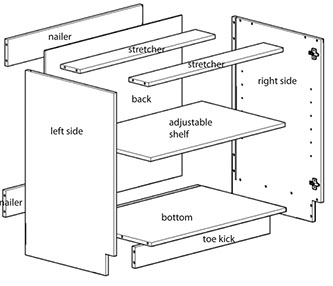
Use masking tape and markers to label doors and drawers. Keep screws and brackets in separate bags. This helps if you decide to reinstall later.
Reusing Cabinet Doors for Wall Décor
Old cabinet doors make great rustic wall art. Paint or stencil them for a unique touch. It’s a fun weekend project for DIY lovers.
Cabinet Recycling Centers Near You
Search “cabinet recycling center near me” online. Many centers accept wood, metal, and composite cabinets. Always call ahead for acceptance policies.
The Cost of Cabinet Removal and Disposal
Professional services range from $150 to $500. DIY removal saves money but takes effort. Choose based on your budget and physical capability.
DIY vs. Professional Cabinet Removal
DIY removal is cheaper and flexible. Professionals are faster and safer, especially for heavy cabinets. Weigh convenience against cost.
Repainting Instead of Throwing Away
A fresh coat of paint can transform old cabinets. It’s a low-cost, eco-friendly alternative to disposal. Try modern colors for a trendy upgrade.
Best Time of Year to Replace Cabinets
Spring or summer offers ideal weather for renovations. Better ventilation helps with painting and drying. Plus, contractors are more available.
Creative Ways to Upcycle Old Cabinets
Turn them into planters, desks, or craft tables. Add wheels for mobile storage units. Creativity turns waste into value.
Storing Old Cabinets Temporarily
If unsure about disposal, store them in a dry place. Cover with plastic sheets to avoid dust. Later, decide to sell, donate, or reuse.
Legal Ways to Dispose of Cabinets in Your Area
Never dump cabinets on public land. Use authorized waste facilities or recycling centers. Proper disposal prevents legal trouble.
Disposing Cabinets After a Flood or Fire

Water- or fire-damaged cabinets should be safely discarded. Mold and soot can cause health issues. Contact your local waste authority for safe disposal.
Safety Gear You Should Wear
Wear gloves, safety glasses, and sturdy shoes. Long sleeves protect from splinters and debris. Always prioritize personal safety during removal.
How to Dispose of Cabinets with Paint or Stains
Painted or stained cabinets may need special handling. Check with your waste management for hazardous material rules. Never burn chemically treated wood.
Maintaining Cleanliness After Removal
Sweep, vacuum, and wipe all surfaces. Proper cleanup prevents dust spread and pest attraction. Your new kitchen will thank you!
Conclusion
Throwing away kitchen cabinets doesn’t have to be stressful. Whether you donate, recycle, or repurpose, responsible disposal makes a difference. Choose methods that are safe, eco-friendly, and compliant with local laws.
FAQ”s
1. How do I dispose of old kitchen cabinets?
You can dispose of them by donating, recycling, or using local waste collection services. If they’re damaged, hire a junk removal company or rent a dumpster for easy disposal.
2. Can kitchen cabinets be recycled?
Yes, most wood or metal cabinets can be recycled. Remove any nails, screws, and paint before taking them to a local recycling center.
3. Where can I donate old kitchen cabinets?
You can donate to organizations like Habitat for Humanity ReStores or local charities that accept home improvement materials.
4. Can I sell my used kitchen cabinets?
Absolutely! List them on platforms like Facebook Marketplace, Craigslist, or OfferUp. Make sure they’re clean and in usable condition.
5. What’s the cheapest way to get rid of kitchen cabinets?
The cheapest way is to reuse or donate them. If that’s not possible, contact your city for bulk trash pickup options.
6. Can I reuse my old cabinets in another room?
Yes, old cabinets can be repurposed in garages, basements, or laundry rooms for extra storage space.
7. Do I need special tools to remove cabinets?
Basic tools like a screwdriver, pry bar, and drill are enough for most cabinet removals. Always wear safety gear during the process.
8. What should I do with cabinet hardware?
Reuse the handles and hinges for other DIY projects, or recycle them at a metal recycling facility.
9. Can I throw kitchen cabinets in the dumpster?
Yes, but check local waste regulations first. Some areas require separating wood, metal, or paint-coated materials.
10. Is it better to hire professionals for cabinet removal?
If you’re not confident in handling heavy cabinets or avoiding wall damage, hiring professionals ensures safe and efficient removal.