Danish223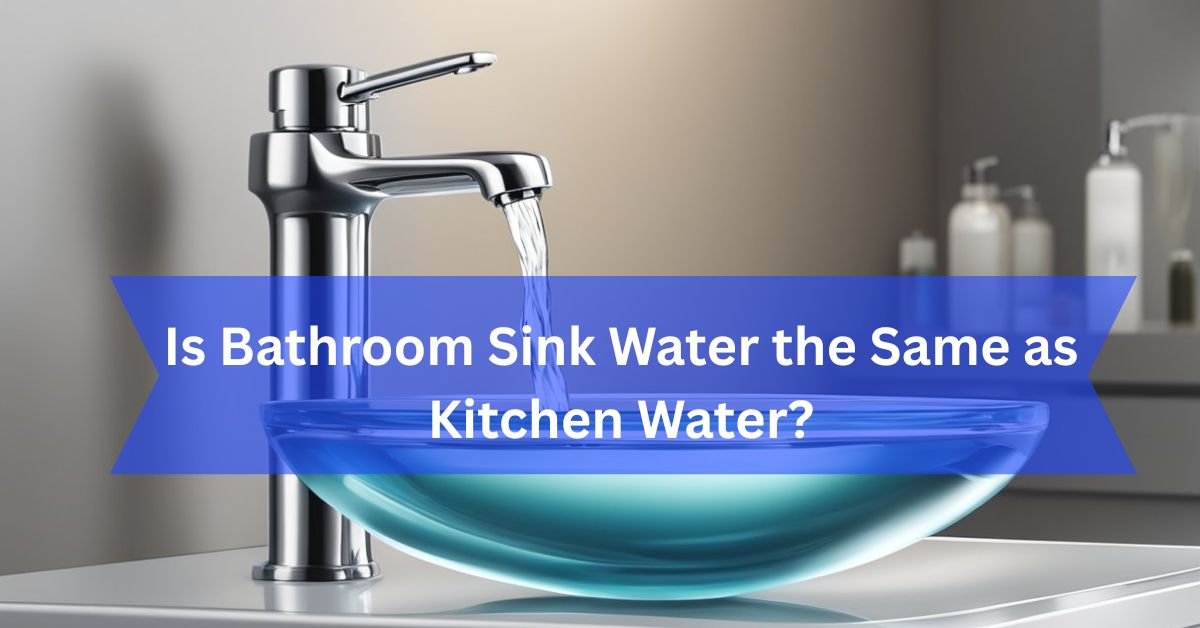
Have you ever wondered if your bathroom sink water is the same as your kitchen tap water? While both sources look identical, subtle differences exist in how water flows through your home. These variations can affect its taste, smell, and even safety for drinking.
Yes, the same main supply provides the water for the kitchen and bathroom.The only difference may be filters or plumbing that affect taste or quality.
In This Article We Discuss “Is Bathroom Sink Water the Same as Kitchen Water?”
Understanding Household Water Systems
Every home has a network of pipes that distribute water from a single source to different faucets. This includes your kitchen, bathroom, and laundry areas. The plumbing layout and water flow rate often determine the freshness and quality of the water.
How Water Reaches Your Home
Water enters through the main supply line and splits into smaller pipes to reach different fixtures. Municipal systems deliver treated water, while some homes rely on private wells. The journey through various pipes affects how the water tastes in each location.
Is Bathroom and Kitchen Water Supplied from the Same Source?
Yes, both the bathroom and kitchen taps usually draw from the same supply line. The main difference lies in the plumbing routes and frequency of use. Because kitchen taps are used more often, their water tends to be fresher and cleaner.
The Role of Plumbing Lines
The plumbing design inside a house plays a big role in water quality. Pipes running to the bathroom may be longer or narrower, causing water to sit still when not in use. This stagnant water can sometimes lead to minor changes in taste or odor.
Why Kitchen Water Often Tastes Different
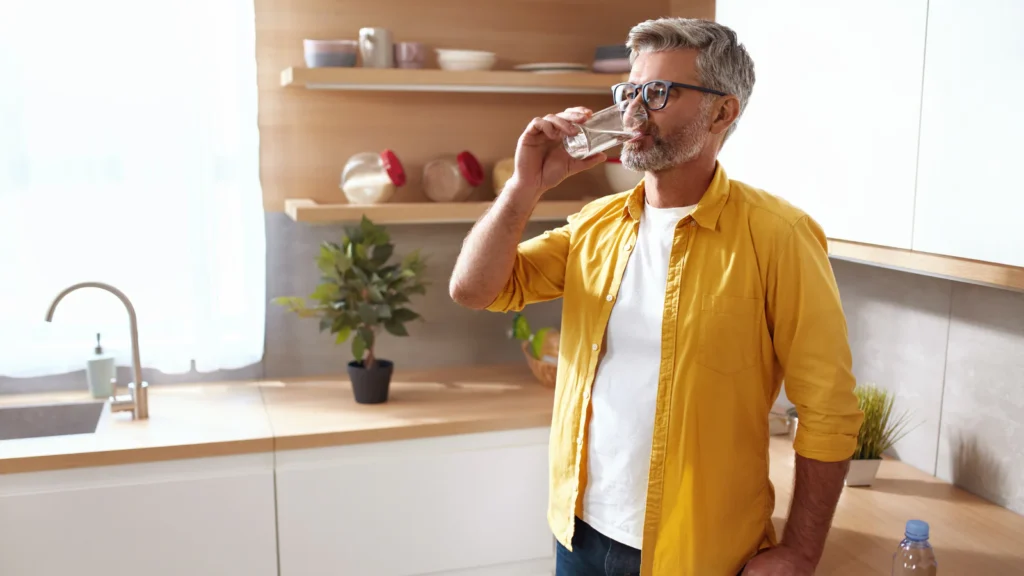
Kitchen faucets are commonly fitted with filters or aerators that improve taste. Since they’re used more frequently, water flows through them more regularly. This continuous movement keeps the water fresh and free of stale odors.
Factors Affecting Bathroom Sink Water Quality
Several factors can influence bathroom water, such as pipe material, cleanliness, and mineral deposits. Bathrooms that are less ventilated may also encourage mild bacterial growth. These small changes can make the water smell or taste slightly off.
Hot vs Cold Water Differences
Cold water usually comes directly from the main line, while hot water passes through a heater. Over time, heaters accumulate rust and minerals that can alter water quality. That’s why experts recommend using cold water for drinking or cooking.
How Old Pipes Can Affect Water Quality
Older homes often have steel or lead pipes that corrode with time. These pipes can release trace metals into the water, affecting its safety and clarity. Replacing outdated plumbing is one of the best ways to maintain pure tap water.
Water Pressure Variations Between Kitchen and Bathroom
Water pressure may vary depending on pipe length and faucet design. Kitchens often have stronger flow to support dishwashing and cleaning. Bathrooms, however, may have restricted pressure to conserve water and prevent splashing.
Why Bathroom Sink Water May Smell Odd
If your bathroom water has an unusual smell, it could be due to standing water or bacteria in the pipes. Sometimes, drain gases seep into the faucet, creating a musty odor. Cleaning and running the tap regularly can solve most of these issues.
Can You Drink Bathroom Tap Water?
While it’s generally safe, bathroom tap water is not ideal for regular drinking. It may contain tiny impurities from stagnant pipes. Using kitchen water for consumption is a safer and healthier choice.
Health Risks of Drinking Bathroom Water
Stale water can collect bacteria or trace chemicals, especially in older plumbing. These impurities are rarely dangerous but can upset sensitive stomachs. It’s always better to stick to kitchen water for hydration.
Why Kitchen Faucets Are Designed Differently
Kitchen faucets are built for versatility—they allow washing, rinsing, and filling large containers. Their wider spouts and filters help maintain water quality. Bathroom taps, on the other hand, are designed mainly for handwashing.
Filtration Systems in the Kitchen
Many kitchens are equipped with built-in filters or external purification units. These systems remove chlorine, sediment, and heavy metals. As a result, kitchen water tastes cleaner and is more suitable for drinking and cooking.
Do Bathrooms Have Water Filters?
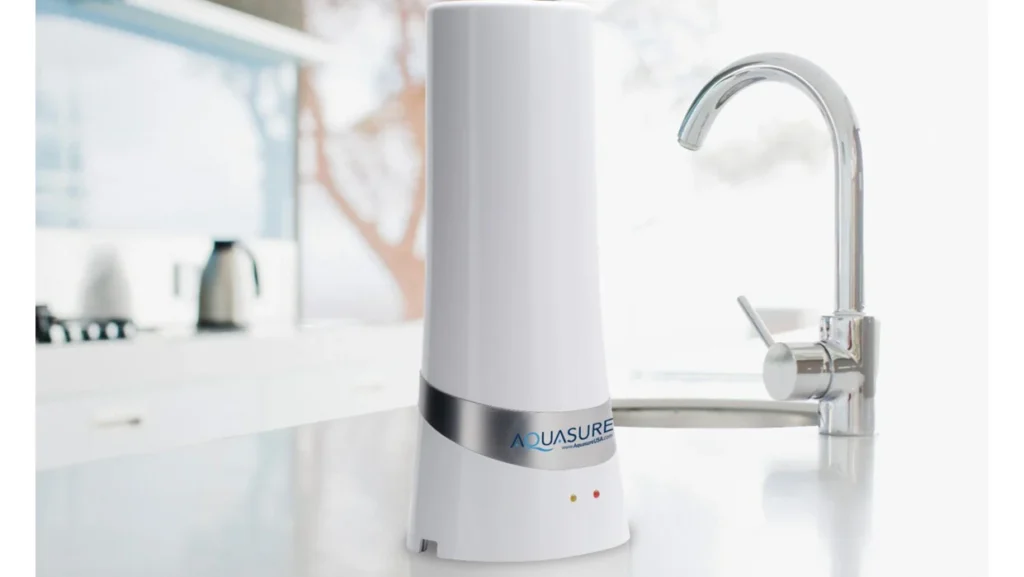
Most bathrooms don’t have water filtration systems. This is why bathroom water may taste less pleasant compared to kitchen water. Installing a small faucet filter can make a noticeable improvement.
The Impact of Hard Water on Sinks
Hard water leaves mineral residue that appears as white stains on sinks and taps. Bathrooms often show these effects more due to frequent water use. Over time, buildup can clog aerators and affect water flow.
Water Heater Influence on Taste
Water heaters store hot water that can pick up minerals, sediment, and even rust. This changes the flavor and makes it unsuitable for drinking. Always use cold tap water for any beverages or cooking.
Bacteria Growth in Bathroom Pipes
Bathrooms are typically humid, providing the perfect environment for bacteria. If the tap isn’t used daily, microorganisms can grow inside the pipes. Running the faucet for 30 seconds can flush away stagnant water.
Why Cold Water is Safer for Drinking
Cold water flows directly from the source without sitting in the heater tank. This means it’s fresher and less likely to contain contaminants. It’s always the preferred option for safe drinking.
Comparing Water Quality in Apartments vs Houses
In apartment complexes, water passes through longer and shared plumbing systems. This can slightly reduce freshness compared to standalone houses. However, regular maintenance ensures both sources stay safe.
Does Location Affect Tap Water Quality?
Yes, the local water source and treatment process affect taste and clarity. Urban areas use treated municipal water, while rural homes often rely on wells. Each has unique mineral content and chemical balance.
Testing Water from Both Sinks
You can use affordable home water test kits to compare samples. These kits detect pH levels, chlorine, hardness, and contaminants. Testing helps you understand whether both taps provide equally clean water.
Simple Ways to Improve Bathroom Tap Water
Run your bathroom faucet for a few seconds before using it. This clears any stagnant water and refreshes the flow. Regular cleaning also prevents buildup and maintains hygiene.
Installing a Filter on Your Bathroom Sink
Small faucet filters or under-sink systems can be added easily. These devices remove chlorine and bacteria, improving taste and smell. It’s a simple upgrade that enhances daily water use.
How to Know if Your Water is Safe
Check your local municipality’s annual water report or do a private test. If you notice discoloration or odor, contact a plumber immediately. Safe water should always be clear and odor-free.
Municipal vs Well Water Systems
Municipal water is filtered and chemically treated before reaching homes. Well water, on the other hand, is naturally sourced and may contain minerals. Both require periodic testing for safety.
How Water Treatment Plants Work
Water treatment facilities clean and purify water through filtration, sedimentation, and chlorination. These steps remove harmful particles and bacteria. Once treated, the water travels to your home through underground pipes.
Chemical Additives in Tap Water
Most tap water contains small amounts of chlorine and fluoride. These additives protect against bacteria and strengthen teeth. However, they can slightly alter taste or smell.
Chlorine Levels in Kitchen vs Bathroom
Kitchen faucets often dispense fresher water with lower chlorine concentration. Bathroom taps may retain chlorine longer due to less use. That’s why kitchen water typically tastes cleaner.
Why Kitchen Taps Deliver Fresher Water
Kitchens are used frequently for cooking and cleaning, ensuring constant water circulation. This prevents stagnation and bacterial buildup. The result is fresher, safer water every time you turn the tap.
Common Myths About Tap Water
Some people think bathroom water is “dirty,” but it comes from the same source. The main difference is how long it sits in the pipes. Proper maintenance ensures both are equally safe.
How Plumbing Layout Affects Water Flow
A home’s plumbing design determines how quickly water reaches each faucet. Longer lines mean slower flow and possible stagnation. Strategic layouts ensure balanced pressure and freshness.
Do Shower and Sink Share the Same Line?
In most bathrooms, the sink and shower share a branch line. This setup simplifies plumbing and reduces costs. However, it can also cause slight variations in water pressure.
Why Bathroom Pipes Are Shorter
Bathroom plumbing is compact because the sink, toilet, and shower are close together. Shorter pipes mean quicker access to water. However, less frequent use can still affect freshness.
Maintenance Tips for Clean Water
Clean faucet aerators every month and flush pipes weekly. This removes sediment and bacteria buildup. Regular care ensures consistently clear and healthy water.
Signs of Contaminated Tap Water
Watch for discoloration, cloudy texture, or odd smells. Metallic tastes can also signal pipe corrosion. These are clear indicators it’s time to test your water.
Can Mold in Pipes Affect Taste?
Yes, mold can grow in moist environments and affect water’s flavor. It produces a musty or earthy taste. Deep cleaning and replacing old pipes solve this issue effectively.
How Temperature Affects Water Odor
Warm water can amplify natural smells like chlorine or sulfur. This doesn’t always mean contamination—it’s often temperature-related. Letting the water cool usually reduces the odor.
Why Water Filters Matter
Filters eliminate impurities, improving both taste and health. They trap metals, chemicals, and bacteria before they reach your glass. Investing in one ensures long-term water safety.
How to Choose the Right Filter
Choose a filter certified by NSF or ANSI standards for maximum efficiency. Consider your water type—hard, soft, or well-based—before purchasing. Regularly replacing cartridges maintains top performance.
Environmental Factors Affecting Water Quality
Nearby industries, agricultural runoff, and old city pipes can influence water purity. Local testing and filtration help reduce exposure to these contaminants. Awareness is key to maintaining safe household water.
Mineral Buildup and Its Effects
Minerals like calcium and magnesium create hard water stains. They can clog pipes and reduce appliance efficiency. Regular descaling keeps your faucets running smoothly.
Why Some Homes Have Different Tastes in Taps
Homes with mixed plumbing materials—like copper and PVC—may experience different tastes. Each material reacts uniquely with water. Upgrading to consistent piping can balance the flavor.
The Importance of Plumbing Inspections
Annual plumbing inspections detect early signs of leaks or corrosion. Early repairs prevent contamination and water waste. It’s a small step that ensures clean water for years.
How to Keep Both Sinks Hygienic
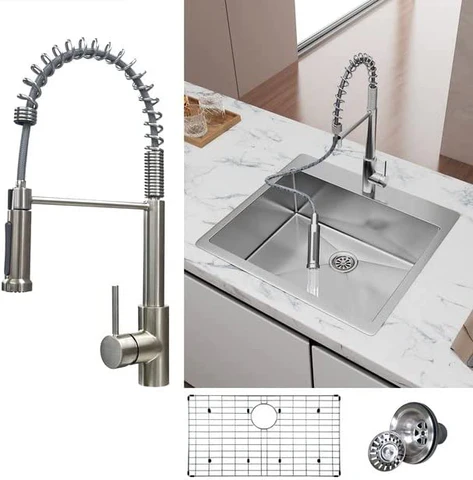
Clean your sink and faucet regularly with mild disinfectant. Remove debris from drains to avoid odors. Consistent care prevents bacteria buildup in both rooms.
Cost of Upgrading Plumbing Lines
Modern PEX or copper piping costs between $1,500–$5,000 depending on home size. Though expensive, it’s a valuable investment in safety. New pipes ensure cleaner, lead-free water.
Expert Opinions on Tap Water Safety
Experts confirm that kitchen and bathroom water share the same source. However, kitchen water is safer due to frequent flow and filtration. Regular maintenance is key to maintaining that safety.
Conclusion
Bathroom and kitchen sink water come from the same source but differ in freshness and filtration. The kitchen’s frequent use keeps its water cleaner and safer for drinking. With regular maintenance and testing, you can ensure both taps deliver healthy, high-quality water.
FAQ’s
1. Is kitchen and bathroom water the same?
Yes, both the kitchen and bathroom receive water from the same main supply. However, kitchen taps are often fitted with better filtration systems and shorter pipes. This is why kitchen water usually tastes fresher and cleaner compared to bathroom water.
2. Why does bathroom water taste different?
Bathroom taps may have older or longer plumbing lines that accumulate minerals and residues. Because they’re used less frequently for drinking, the water can sit longer in the pipes. As a result, the taste may seem metallic or slightly stale.
3. Can I drink water from the bathroom sink?
While it’s technically safe in most modern homes, it’s not recommended. Bathroom pipes can contain old metal residue or bacteria buildup. For this reason, drinking from the kitchen tap is a safer and cleaner choice.
4. Why does my bathroom water smell odd?
An unpleasant smell, like sulfur or mildew, often comes from stagnant water in unused pipes. Bacteria and mold can grow when the tap isn’t run regularly. Letting the water flow for a minute usually helps remove the odor.
5. Why is kitchen tap water colder and fresher?
Kitchen taps are directly linked to the main water line and used more frequently. Constant flow prevents stagnation and keeps the water temperature balanced. This is why kitchen water often feels cooler and tastes cleaner.
6. Does hot water affect water quality?
Yes, hot water can dissolve metals and sediments from old pipes. Drinking it isn’t recommended because it may carry impurities. Cold water is safer for drinking and cooking, while hot water is better for cleaning.
7. How can I test my tap water quality?
You can easily check water quality using an affordable home testing kit. It detects chlorine, lead, pH, and bacteria levels in minutes. For more detailed results, local water authorities can perform professional testing.
8. Do bathrooms have water filters installed?
Most bathrooms do not come with built-in filters, unlike kitchen sinks. Since bathroom water isn’t used for cooking or drinking, filtration is often skipped. However, small faucet filters can be installed for extra safety.
9. Why is my bathroom water pressure lower?
Bathroom taps often have thinner pipes or longer plumbing routes. Over time, mineral buildup or small leaks can reduce water flow. Cleaning the aerator or calling a plumber usually restores proper pressure.
10. How do I improve bathroom tap water quality?
Installing a faucet filter or cleaning the aerator can make a big difference. Always run the tap for 30 seconds before using the water. Regular plumbing maintenance ensures both safety and freshness.