Danish223
Bathroom water and kitchen water usually come from the same municipal supply, but they are not always the same by the time they reach the tap. The difference lies in how water travels through pipes, tanks, and fixtures. Kitchen water is designed for drinking, while bathroom water is mainly intended for washing. Because of this, safety and quality can vary.
Bathroom and kitchen water usually come from the same source, but they are not always the same when they reach the tap. Bathroom water may travel through storage tanks or older pipes and sit unused for longer periods, which can affect its quality. For drinking and cooking, kitchen tap water is generally the safer option.
In This Article We Discuss About “is bathroom water the same as kitchen water”
Do Bathroom and Kitchen Taps Use the Same Water Source?
In most homes, both bathroom and kitchen taps originate from the same water source. However, once inside the house, the water may take different routes through the plumbing system. These routes can include storage tanks or older pipes. This difference in delivery can affect freshness and cleanliness.
Why Bathroom Water Looks Clean but Isn’t Always Safe
Bathroom water often looks clear, which can give a false sense of safety. Visual clarity does not mean the water is free from bacteria, metals, or chemical residue. Water that sits in pipes or tanks can collect contaminants over time. This makes bathroom water less reliable for drinking.
Is Bathroom Sink Water Safe to Drink?
In many cases, bathroom sink water is not recommended for drinking. While it may meet basic supply standards, it often passes through less frequently used pipes. This allows stagnation and contamination to occur. Health experts generally advise using kitchen taps for drinking water instead.
Can You Drink Water from the Bathroom Tap?
Drinking water from the bathroom tap is possible in some modern homes, but it is not ideal. The risk increases in older houses or homes with storage tanks. Because bathroom taps are not designed for consumption, the water quality may be inconsistent. Choosing the kitchen tap is safer.
Why Experts Recommend Drinking Only Kitchen Tap Water
Experts recommend kitchen tap water because it usually comes directly from the mains. This water is fresher, flows more often, and is subject to stricter use standards. Kitchen plumbing is designed for food preparation and drinking. As a result, it has a lower risk of contamination.
Bathroom vs Kitchen Water
The real difference lies in plumbing design and usage. Kitchen water is constantly used, keeping it fresh and moving. Bathroom water may sit unused for long periods. This difference affects taste, odor, and overall safety.
Does Bathroom Water Travel Through Different Pipes?
Yes, bathroom water often travels through different pipes than kitchen water. These pipes may be older or less frequently flushed. Over time, this can lead to buildup of rust, sediment, or bacteria. Pipe condition plays a major role in water quality.
How Plumbing Systems Affect Bathroom Water Quality
Plumbing systems directly impact water safety. Older systems may contain lead, iron, or corroded materials. Bathrooms are often connected to secondary lines or tanks. These factors can reduce the quality of bathroom water compared to kitchen water.
Direct vs Indirect Water Systems Explained Simply
A direct system sends mains water straight to all taps. An indirect system stores water in a tank before supplying bathrooms. Kitchen taps usually remain direct even in indirect systems. Stored water increases the risk of contamination.
Why Kitchen Tap Water Is Considered Drinking Water
Kitchen tap water is intended for cooking and drinking. It is usually supplied directly from the mains. Regular flow keeps the water fresh and limits bacterial growth. This makes it the safest option in most homes.
Is Bathroom Water Stored in a Tank?
In many homes, especially older ones, bathroom water is stored in a tank. These tanks are often located in lofts or ceilings. Stored water can collect dust, bacteria, and debris. This storage reduces suitability for drinking.
How Stagnant Water Impacts Bathroom Tap Safety
When water sits unused, it becomes stagnant. Stagnant water can encourage the growth of microorganisms and absorb metals from pipes. Compared to kitchen taps, bathroom taps are generally used less frequently. This increases potential health risks.
Can Old Pipes Make Bathroom Water Unsafe?
Old pipes can significantly affect water safety. Lead, rust, and corrosion are common in aging plumbing. Bathroom pipes are often older than kitchen pipes. This makes bathroom water more vulnerable to contamination.
Does Bathroom Water Contain More Bacteria?
Bathroom water can contain more bacteria due to low usage and proximity to toilets. Moist environments encourage microbial growth. If taps are not flushed regularly, bacteria can multiply. This is why drinking bathroom water is discouraged.
Is Shower Water the Same as Bathroom Sink Water?
Shower water and sink water may come from the same supply but are used differently. Shower water often passes through heaters and flexible pipes. Heat and stagnation can alter water quality. Shower water is not intended for consumption.
Why Shower Water Is Not Safe for Drinking
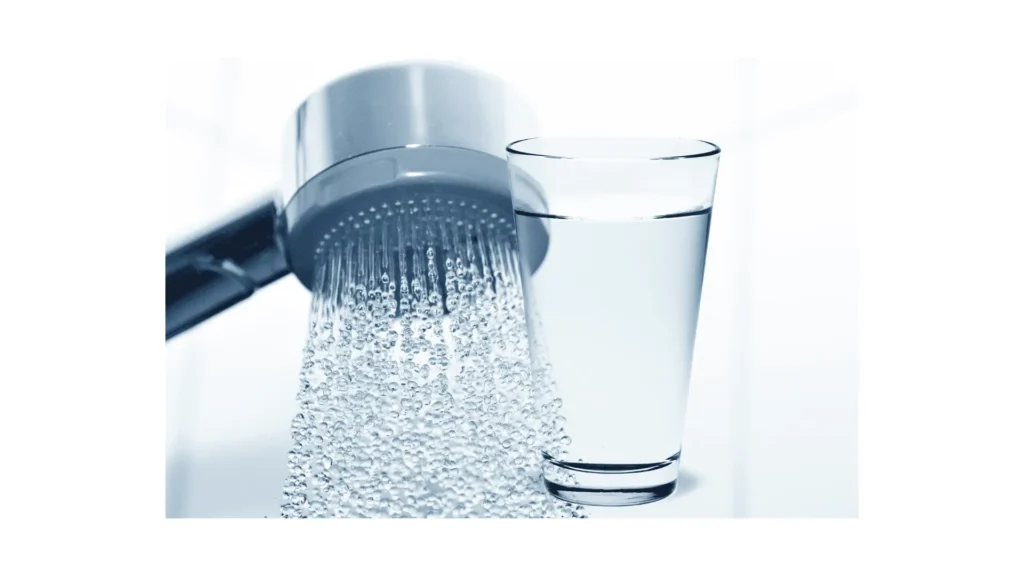
Bacteria from shower heads and heaters may be present in shower water. Heating water can increase chemical reactions and sediment release. Steam can also release contaminants into the air. For these reasons, shower water should never be consumed.
Can You Drink Bathroom Water After Boiling It?
Boiling bathroom water can kill bacteria and viruses. However, it does not remove heavy metals or chemicals. If pipes contain lead, boiling will not make the water safe. Boiling is only a partial solution, not a guarantee.
Is Bathroom Water Safe for Brushing Teeth?
Using bathroom water for brushing teeth is generally considered safe. The exposure is minimal compared to drinking. However, swallowing large amounts should be avoided. For children, extra caution is recommended.
Does Bathroom Water Meet Drinking Water Standards?
Bathroom water usually meets supply standards at entry point. The issue arises after it travels through internal plumbing. Storage, pipes, and fixtures can reduce quality. Meeting standards does not always mean ideal for drinking.
Is Bathroom Water Safe for Children and Babies?
Children and babies are more sensitive to contaminants. Even small amounts of lead or bacteria can be harmful. Bathroom water poses higher risks due to plumbing factors. It is best to use kitchen water for young children.
Is there a difference between kitchen water and bathroom water
In most homes, kitchen water and bathroom water come from the same main supply, so there is generally no difference in quality or safety. However, kitchen taps are more commonly used for drinking and cooking, so they may have additional filters or separate drinking-water lines installed. Any difference usually depends on the home’s plumbing system rather than the water source itself.
Is shower water the same as tap water
Shower water and tap water usually come from the same main water supply, so they are generally the same in quality and treatment. Both are processed to meet safety standards for household use, including bathing and drinking. However, factors like water heaters, pipes, or shower filters can slightly affect temperature, pressure, or mineral content.
Is bathroom sink water the same as kitchen water
Bathroom sink water and kitchen water usually come from the same household water supply, so the quality is generally the same. Both are treated to meet safety standards and are safe for washing, brushing teeth, and cleaning. However, kitchen faucets are more commonly used for drinking and cooking, and some homes may have additional filters installed there.
Is bathroom and kitchen tap water the same
Bathroom and kitchen tap water usually come from the same main water supply, so they are generally the same in quality and treatment. Both are processed to meet local safety standards and are safe for everyday use. Any slight difference typically comes from the plumbing system, faucet type, or added filters rather than the water source itself.
Why does bathroom water taste different to kitchen water
Bathroom water can taste different from kitchen water due to variations in plumbing pipes, faucet fittings, or the distance from the main supply line. Stagnant water sitting longer in bathroom pipes may pick up slight metallic or mineral flavors. In some homes, kitchen taps also have filters installed, which can improve taste compared to bathroom water.
Is bathroom tap water same as kitchen tap water
Bathroom tap water and kitchen tap water usually come from the same main water supply, so they are generally the same in quality and safety. Both are treated to meet local health standards for household use. Any difference in taste or clarity is typically caused by plumbing, pipe materials, or filters rather than the water source itself.
Is kitchen tap water the same as bathroom
Kitchen tap water is usually the same as bathroom tap water because both come from the same household water supply. The water is treated and delivered through the same main system, making it safe for everyday use. Any noticeable difference in taste or smell is typically due to plumbing, faucet fixtures, or added filters in the kitchen.
Is tap water in bathroom same as kitchen
Tap water in the bathroom is generally the same as the water in the kitchen because both are supplied from the same main source. It is treated to meet local safety standards and is safe for everyday household use. Any slight difference in taste or smell is usually due to pipe materials, faucet condition, or the presence of filters in the kitchen.
Is the bathroom water same as kitchen water
Bathroom water is usually the same as kitchen water because both come from the same main household water supply. The water is treated to meet safety standards before it reaches any tap in the home. Any small difference in taste or smell is typically caused by plumbing, pipe length, or filters rather than the water source itself.
Are bathroom and kitchen tap water the same
Bathroom and kitchen tap water usually come from the same main water supply, so they are generally the same in quality. Both are treated to meet local safety standards for household use. Any difference in taste or appearance is typically due to plumbing conditions, faucet materials, or installed filters rather than the water source.
Is bathroom sink water same as kitchen
Bathroom sink water and kitchen water usually come from the same household water supply, so they are generally the same in quality. Both are treated and delivered through the same plumbing system for safe daily use. Any difference in taste or clarity is mostly caused by pipe materials, faucet condition, or filters installed in the kitchen.
Is bathroom water and kitchen water the same
Bathroom water and kitchen water usually come from the same main supply line, so they are generally the same in quality. Both are treated to meet safety standards for household use. Any minor differences in taste or smell are typically due to plumbing, pipe materials, or filters rather than the water source itself.
Is bathroom water the same as kitchen water australia
In Australia, bathroom water and kitchen water usually come from the same treated municipal supply, so they are generally the same in quality. Both taps deliver water that meets Australian drinking water standards for safe household use. Any difference in taste or pressure is typically caused by plumbing layout, pipe materials, or installed filters rather than the water source itself.
Is kitchen sink water same as bathroom
Kitchen sink water and bathroom water usually come from the same main water supply, so they are generally the same in quality. Both are treated to meet local safety standards for everyday household use. Any slight difference in taste or clarity is typically due to plumbing conditions, faucet type, or filters installed in the kitchen.
Is shower and sink water the same
Shower water and sink water usually come from the same household water supply, so they are generally the same in quality. Both are treated to meet safety standards for cleaning, bathing, and other daily uses. Any difference in temperature or pressure is usually due to water heaters, plumbing setup, or faucet design rather than the water source itself.
Is shower water and sink water the same
Shower water and sink water usually come from the same main water supply, so they are generally the same in quality. Both are treated to meet safety standards for household use. Any differences in temperature or pressure typically depend on plumbing systems, water heaters, or fixture settings rather than the water source itself.
Is sink and shower water the same
Sink and shower water usually come from the same main water supply in a home, so they are generally the same in quality. Both are treated to meet safety standards for everyday use like washing and cleaning. Any differences usually come from plumbing design, water heaters, or fixture settings rather than.
Is tap water in kitchen and bathroom same
In most homes, the tap water in the kitchen and bathroom comes from the same main water supply line, so it is generally the same in quality and safety. Both are treated and delivered by the local municipal system or well source before entering the house. However, differences in plumbing pipes, fixtures, or filters can sometimes slightly affect taste or odor between the two taps.
Is tap water the same in kitchen and bathroom
In most homes, tap water in the kitchen and bathroom comes from the same main water supply, so it is usually the same in quality and safety. The water is treated by the local water authority before it reaches your house and then distributed through the same plumbing system. However, differences in pipes, faucets, or attached filters can sometimes cause slight changes in taste, temperature, or odor.
Is the bathroom sink water the same as kitchen
In most homes, the water from the bathroom sink and the kitchen sink comes from the same main supply line, so it is generally the same in quality and safety. Both taps receive treated water from the same municipal or well source before it flows through the house plumbing. However, differences in pipes, faucet fixtures, or installed filters may sometimes cause slight variations in taste or temperature.
Is bathroom sink and kitchen sink water the same
Bathroom sink water and kitchen sink water usually come from the same main water supply in a house. However, kitchen sinks are mainly used for food preparation and washing dishes, so they may have stricter cleanliness standards. The difference is mostly in how the water is used and the plumbing connected to each sink.
Is kitchen tap water and bathroom tap water the same
Kitchen tap water and bathroom tap water usually come from the same household water supply system. Both taps deliver the same treated water provided by the local water source. The main difference is their usage, as kitchen water is mostly used for cooking and drinking, while bathroom water is used for washing and hygiene.
Is sink water the same as shower water
Sink water and shower water usually come from the same household water supply system. Both are treated water provided by the local water source and travel through the same plumbing in the house. The difference is mainly in their use, as sink water is used for washing hands or dishes, while shower water is used for bathing.
Is there a difference between bathroom and kitchen tap water
In most homes, bathroom and kitchen tap water come from the same main water supply, so the water itself is usually the same. However, kitchen taps are commonly used for drinking and cooking, so they may have filters or cleaner fixtures. The main difference is how the water is used rather than the source of the water.
Is water from bathroom sink same as kitchen
Water from the bathroom sink and the kitchen sink usually comes from the same main water supply in a home. This means the water itself is generally the same and treated in the same way. The difference is mainly in how it is used, as kitchen water is often used for cooking and drinking while bathroom water is used for washing and hygiene.
Is water from the kitchen the same as bathroom
Water from the kitchen and bathroom usually comes from the same main water supply in a house. This means the water is generally the same and treated in the same way before reaching the taps. The main difference is in how it is used, with kitchen water often used for cooking and drinking while bathroom water is used for cleaning and personal hygiene.
Bathroom water vs kitchen water
Bathroom water and kitchen water usually come from the same household water supply system. The water quality is generally the same because it is treated before reaching the taps. The main difference is in usage, as kitchen water is commonly used for cooking and drinking, while bathroom water is used for washing and hygiene.
Is toilet water the same as shower water
Toilet water and shower water usually come from the same household water supply system. However, toilet water mixes with waste after flushing, while shower water is clean when it comes out of the tap. The main difference is in how the water is used and what it comes into contact with.
Is bathroom tap water drinking water
Bathroom tap water usually comes from the same treated water supply as drinking water in most homes. However, it may not always be recommended for drinking because bathroom pipes or fixtures can sometimes affect water cleanliness. For safety, people often prefer using kitchen tap water or filtered water for drinking.
Bathroom Water vs Kitchen Water in Older Homes
Older homes often have indirect systems and outdated pipes. Bathroom water may come from tanks and lead plumbing. Kitchen water is usually more protected. The difference in safety is more noticeable in older properties.
Bathroom Water vs Kitchen Water in Modern Homes
Modern homes often use direct systems for all taps. In these cases, differences are smaller. However, bathroom fixtures may still affect quality. Kitchen water remains the safest choice for drinking.
Why Kitchen Water Is Tested More Strictly
Kitchen water is associated with food safety. Regulations and usage expectations are higher. Regular flow also keeps pipes clean. This combination results in better overall water quality.
Can Bathroom Fixtures Affect Water Quality?
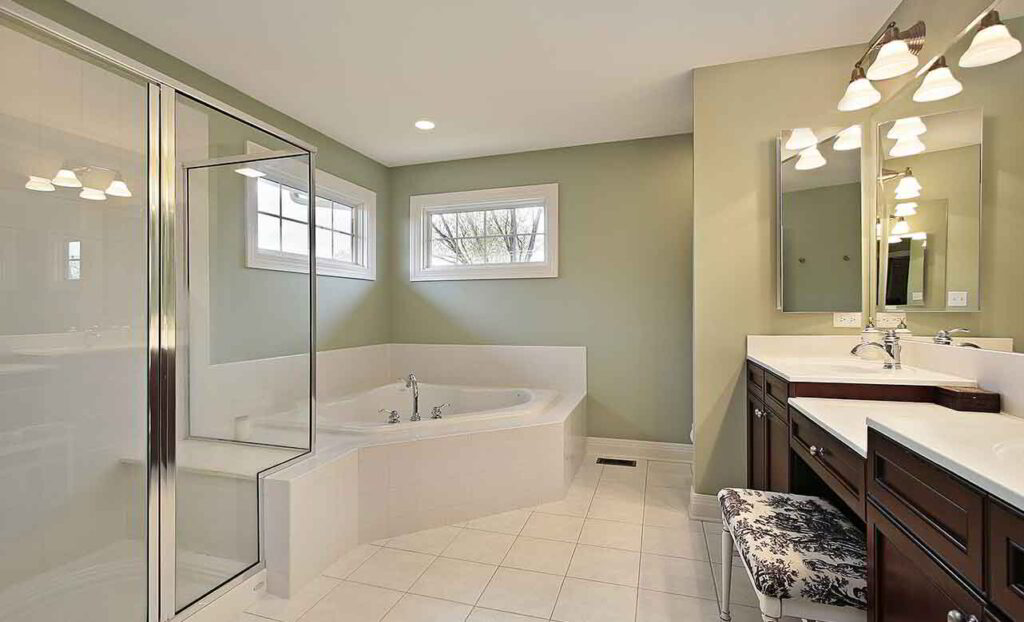
Yes, fixtures can impact water quality. Some bathroom taps contain materials that degrade over time. Low usage allows residue to build up. This can affect taste and safety.
Does Low Usage Increase Bathroom Water Contamination?
Low usage is a major risk factor. Water sitting in pipes allows bacteria and metals to accumulate. Bathroom taps are often unused for hours. This increases contamination potential.
How Lead Pipes Can Affect Bathroom Tap Water
Lead pipes leach lead into water over time. Stagnant water absorbs more lead. Bathroom pipes are often older and less flushed. This increases lead exposure risk.
Signs Your Bathroom Water Is Not Safe to Drink
Cloudy water, strange odors, and metallic taste are warning signs. Discoloration can indicate rust or sediment. These signs suggest plumbing issues. Drinking such water should be avoided.
What Happens When Water Sits in Pipes Too Long?
Water sitting in pipes loses freshness. It absorbs metals and supports bacteria. Temperature changes worsen the problem. Regular flow is essential for safety.
Is Bathroom Water Safe in Apartments and Flats?
Apartments often have shared plumbing systems. Bathroom water may travel longer distances. This increases stagnation risk. Kitchen water is usually better maintained.
Is Bathroom Water Safe in Hotels?
Hotels use large storage systems. Bathroom water may sit in tanks for unknown periods. Plumbing age varies widely. Drinking bathroom water in hotels is not recommended.
Can Bathroom Water Cause Health Problems?
Long-term exposure to contaminants can cause health issues. These include stomach problems and heavy metal exposure. Risks are higher for children and elderly. Prevention is better than treatment.
Why Bathroom Water Is Fine for Washing but Not Drinking
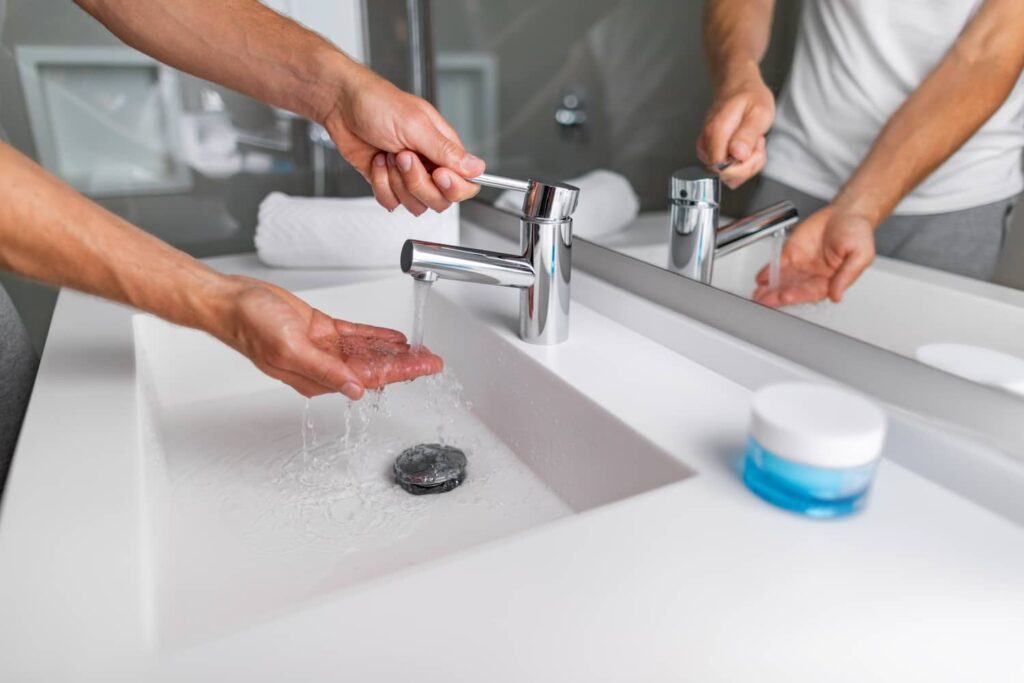
External use involves minimal ingestion. Skin contact is less risky than consumption. Drinking introduces contaminants directly into the body. This difference explains usage recommendations.
Should You Install a Filter for Bathroom Water?
Filters can improve bathroom water quality. They reduce chlorine, sediment, and metals. This benefits skin and hygiene. However, drinking water should still come from kitchen taps.
Whole-House Filtration vs Point-of-Use Filters
Whole-house systems treat all water entering the home. Point-of-use filters target specific taps. Both improve quality. Choice depends on budget and needs.
How to Improve Bathroom Water Quality Safely
Regular cleaning and flushing help maintain quality. Filters reduce impurities. Plumbing inspections catch issues early. These steps improve safety without major changes.
Does Running the Tap Improve Bathroom Water Safety?
Running the tap flushes stagnant water. This reduces metal and bacteria buildup. A short flush improves freshness. It is a simple preventive step.
Is Cold Bathroom Water Safer Than Hot Water?
Cold water is generally safer than hot water. Hot water dissolves metals faster. It also sits longer in heaters. Cold water should always be preferred.
Why Hot Bathroom Water Should Never Be Drunk
Hot water can contain higher metal levels. Heating accelerates chemical reactions. It is intended for cleaning, not drinking. Consumption should be avoided.
How Often Should Bathroom Pipes Be Maintained?
Regular maintenance ensures water safety. Inspections catch corrosion early. Cleaning prevents buildup. Annual checks are recommended.
Is Bathroom Water Safe During Emergencies?
During emergencies, bathroom water may be used cautiously. Boiling can reduce biological risks. Chemical risks may remain. Use only if no alternatives exist.
Can Bathroom Water Be Used for Cooking?
Cooking concentrates contaminants as water evaporates. Bathroom water is not ideal for this purpose. Kitchen water is safer. Cooking should always use drinking-grade water.
Myths About Bathroom Tap Water Explained
Clear water does not mean safe water. Same source does not mean same quality. Myths often ignore plumbing realities. Understanding facts improves safety.
Is Bathroom Water Chemically Different from Kitchen Water?
Chemically, the source may be identical. Changes occur during distribution. Pipes, tanks, and fixtures alter composition. These changes affect safety.
How Water Storage Tanks Affect Bathroom Water
Storage tanks increase contamination risk. Dust, bacteria, and debris can enter. Maintenance is often neglected. Stored water is less fresh.
Bathroom Water Safety: What Homeowners Should Know
Homeowners should understand their plumbing system. Knowing pipe age and tank presence is crucial. Awareness prevents health risks. Simple checks make a big difference.
When Is Bathroom Water Actually Safe to Drink?
Bathroom water may be safe in modern, direct systems. Pipes must be new and well-maintained. Even then, kitchen water is preferred. Safety depends on many factors.
What Health Authorities Say About Bathroom Tap Water
Health authorities generally discourage drinking bathroom water. They highlight risks from plumbing and storage. Kitchen water is recommended for consumption. Guidance prioritizes prevention.
Best Practices for Safe Drinking Water at Home
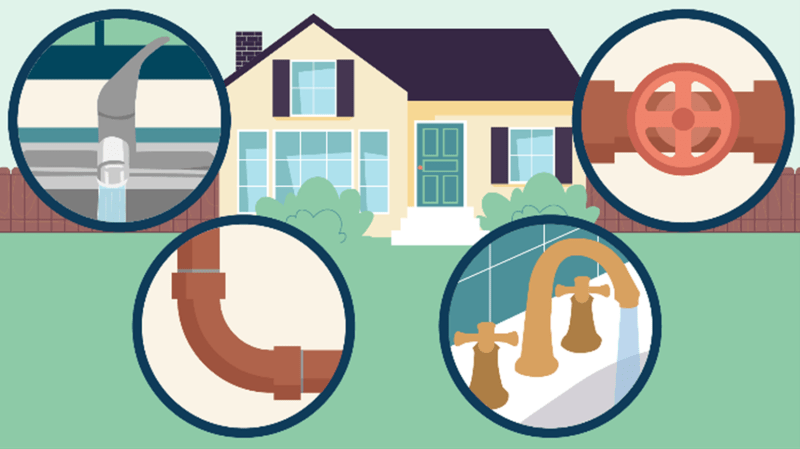
Use kitchen taps for drinking and cooking. Flush taps regularly. Maintain plumbing and filters. These practices ensure long-term safety.
Final Verdict: Is Bathroom Water the Same as Kitchen Water?
Bathroom water and kitchen water may start the same, but they are not the same at the tap. Plumbing, storage, and usage create differences. Kitchen water is safer for drinking. Bathroom water is best reserved for washing.
FAQ’s
1. Is bathroom water the same as kitchen water?
Bathroom and kitchen water usually come from the same supply, but they are not always the same at the tap. Bathroom water may pass through storage tanks or older pipes, while kitchen water typically comes directly from the mains. This makes kitchen water fresher and safer for drinking.
2. Can you drink water from the bathroom tap?
In most homes, drinking water from the bathroom tap is not recommended. Bathroom pipes are used less frequently, allowing water to sit and collect bacteria or metals. Health experts advise using kitchen tap water for drinking instead.
3. Why is kitchen tap water safer than bathroom water?
Kitchen tap water is designed for drinking and cooking. It flows more often, stays fresh, and usually avoids storage tanks. Bathroom water may become stagnant, increasing the risk of contamination.
4. Is bathroom sink water safe to drink in modern homes?
In modern homes with direct plumbing systems, bathroom water may be technically safe. However, bathroom fixtures and low usage still make it less ideal. Kitchen water remains the safest option for consumption.
5. Is shower water the same as bathroom sink water?
Although sink and shower water may originate from the same source, shower water frequently travels via heaters. Heating can increase metal and chemical levels. Shower water should never be used for drinking.
6. Can boiling bathroom water make it safe to drink?
Boiling bathroom water can kill bacteria and viruses. But it doesn’t eliminate heavy elements like lead. Boiling improves safety but does not guarantee drinkable water.
7. Is bathroom water safe for brushing teeth?
Bathroom water is generally safe for brushing teeth because only small amounts are used. However, swallowing large quantities should be avoided, especially for children.
8. Why does bathroom water sometimes taste different?
Bathroom water can taste different due to stagnant pipes, metal leaching, or storage tanks. Low usage allows minerals and bacteria to build up. Kitchen water usually tastes cleaner due to constant flow.
9. Is bathroom water safe for children and babies?
Bathroom water is not recommended for children or babies. Their bodies are more sensitive to contaminants like lead and bacteria. Always use kitchen tap or filtered water for infants.
10. Should you install a filter for bathroom water?
Installing a filter can improve bathroom water quality for washing and bathing. Filters reduce chlorine, metals, and sediment. However, drinking water should still come from the kitchen tap or a certified drinking filter.
Conclusion
Bathroom and kitchen water usually come from the same source, but they are not always the same at the tap. Bathroom water may pass through storage tanks or sit in pipes longer, which can affect its quality. For drinking and cooking, kitchen tap water is generally the safer choice.