Danish223
Standard kitchen cabinet sizes refer to the commonly accepted measurements used by most manufacturers for base, wall, and tall cabinets. These dimensions ensure compatibility with countertops, appliances, and kitchen layouts. Base cabinets are usually 34.5 inches high and 24 inches deep, while wall cabinets are typically 12 inches deep. Using standard sizes makes installation easier, more affordable, and more efficient.
Kitchen cabinet sizes are the standard measurements for base, wall, and tall cabinets used in kitchen design. Base cabinets are usually 34.5 inches high and 24 inches deep, while wall cabinets are typically 12 inches deep with varying heights.
In This Article We Discuss “kitchen cabinet sizes”
Complete Guide to Kitchen Cabinet Sizes and Dimensions
Understanding kitchen cabinet sizes helps you create a functional and well-balanced kitchen layout. Cabinets are generally divided into base, wall, and tall categories, each with specific standard dimensions. These measurements are designed for comfort, storage efficiency, and proper workflow. Knowing these details prevents costly renovation mistakes and sizing errors.
Standard Base Kitchen Cabinet Sizes Explained
Base cabinets are the foundation of every kitchen because they support countertops and sinks. The standard height is 34.5 inches, which becomes 36 inches after adding a countertop. Depth is typically 24 inches to allow easy access to stored items. Widths range from 9 to 48 inches in 3-inch increments for flexible layout design.
Standard Wall Kitchen Cabinet Sizes Explained
Wall cabinets are installed above countertops to provide convenient upper storage. They are commonly 12 inches deep to prevent obstruction of workspace below. Standard heights include 30, 36, and 42 inches depending on ceiling height. Width options usually range from 12 to 36 inches for design flexibility.
Standard Tall and Pantry Cabinet Sizes
Tall cabinets are often used as pantry or utility storage units in kitchens. Their standard height ranges from 84 to 96 inches to maximize vertical space. Depth is usually 12 inches for food storage or 24 inches for larger items. Widths commonly include 18, 24, and 36 inches depending on storage needs.
Kitchen Cabinet Size Chart (Quick Reference Guide)
A kitchen cabinet size chart provides a quick overview of standard dimensions. Base cabinets measure 34.5 inches high and 24 inches deep in most cases. Wall cabinets are typically 12 inches deep with heights up to 42 inches. Tall cabinets range between 84 and 96 inches high for extended storage.
Base Cabinet Height, Depth, and Width Guide
The standard base cabinet height is 34.5 inches without a countertop installed. Depth measures 24 inches to ensure practical storage and accessibility. Width options begin at 9 inches and extend up to 48 inches. These measurements create a comfortable and ergonomic workspace.
Wall Cabinet Height, Depth, and Width Guide
Wall cabinet height depends on ceiling height and overall kitchen design. Standard depths are 12 inches, though 24-inch options are used above refrigerators. Widths increase in 3-inch increments to fit various layouts. Proper sizing ensures visual balance and functional storage.
Tall Cabinet Height, Depth, and Width Guide
Tall cabinets typically measure 84, 90, or 96 inches in height. Standard depth options include 12 inches and 24 inches. Width usually ranges from 18 to 36 inches depending on purpose. Matching tall cabinet height with wall cabinets creates a seamless look.
Kitchen Cabinet Sizes With and Without Countertops
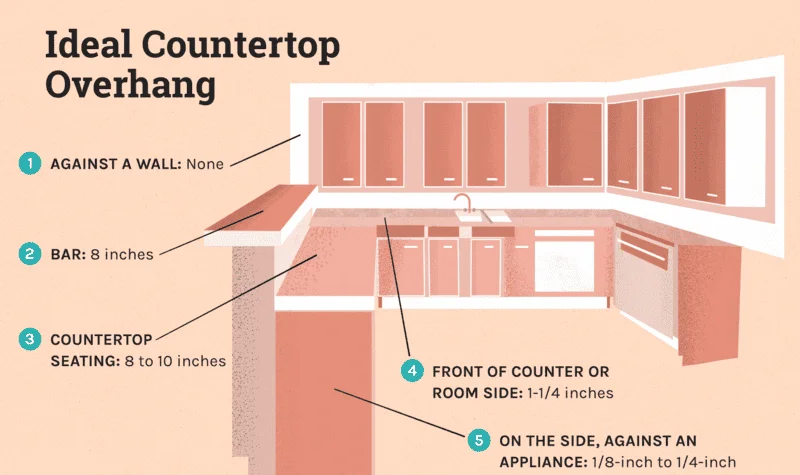
Base cabinets measure 34.5 inches high before countertop installation. Adding a 1 to 1.5-inch countertop increases total height to 36 inches. Countertop overhang usually adds about one extra inch in depth. These adjustments must be considered during planning.
Standard Kitchen Cabinet Depth for Base and Wall Units
Base cabinets are typically 24 inches deep for optimal usability. Wall cabinets are generally 12 inches deep to maintain open workspace below. Cabinets above refrigerators may extend to 24 inches deep. Proper depth ensures comfort and storage efficiency.
Common Kitchen Cabinet Widths and Their Uses
Cabinet widths usually increase in 3-inch increments for layout flexibility. Narrow cabinets from 9 to 15 inches are ideal for spice storage. Medium cabinets between 18 and 30 inches suit general storage needs. Wider cabinets from 33 to 48 inches accommodate sinks and large cookware.
Kitchen Cabinet Sizes for 8-Foot Ceilings
In kitchens with 8-foot ceilings, 30- or 36-inch wall cabinets are common. A 42-inch cabinet can extend fully to the ceiling without crown molding. Tall cabinets often measure 84 or 90 inches. Proper sizing avoids unused space above cabinets.
Kitchen Cabinet Sizes for 9-Foot Ceilings
For 9-foot ceilings, 42-inch wall cabinets are frequently used. Stacked cabinets can fill extra vertical space effectively. Tall cabinets commonly measure 96 inches high. These sizes maximize storage in larger kitchens.
How High Should Kitchen Cabinets Be Installed?
Wall cabinets are usually installed 54 inches from the floor to the bottom. This leaves an 18-inch gap above countertops for workspace. Proper installation height ensures comfortable daily use. Consistent alignment improves kitchen aesthetics.
Standard Distance Between Countertop and Upper Cabinets
The standard gap between countertops and upper cabinets is 18 inches. This spacing allows room for backsplashes and small appliances. Some kitchens use 15 to 20 inches depending on design preferences. Maintaining this clearance improves workflow efficiency.
Ideal Space Between Kitchen Island and Cabinets
The recommended clearance around a kitchen island is 36 to 48 inches. This space allows cabinet doors and appliances to open comfortably. Larger kitchens often use 42 inches or more. Adequate spacing improves safety and movement.
Minimum Clearance Required Between Kitchen Cabinets
At least 40 inches is recommended between opposing cabinets. This ensures smooth traffic flow in busy kitchens. Tight clearances can restrict door movement. Proper spacing enhances overall functionality.
Kitchen Sink Base Cabinet Size Guide
A single-bowl sink typically requires a 30-inch base cabinet. Double sinks usually need 33- or 36-inch cabinets. Depth remains standard at 24 inches. Correct sizing ensures proper plumbing installation.
Standard Oven Cabinet Dimensions
Oven cabinets are generally 24 inches deep for built-in appliances. Width ranges from 24 to 30 inches based on oven size. Oven cabinets that are tall can reach a height of up to 96 inches. Always check appliance cutout specifications.
Pantry Cabinet Sizes and Layout Options

Pantry cabinets range from 84 to 96 inches in height. Standard depth is 12 inches for food storage or 24 inches for bulk items. Width options include 18, 24, and 36 inches. Pull-out shelves improve accessibility.
Lazy Susan Cabinet Size Requirements
Lazy Susan cabinets are designed for corner installations. Standard widths are typically 33 to 36 inches. To align with base cabinets, the usual depth is 24 inches. Rotating shelves maximize otherwise wasted space.
Blind Corner Cabinet Dimensions Guide
Blind corner cabinets typically measure 36 inches wide. Depth remains 24 inches like standard base cabinets. They allow hidden storage in tight corners. Pull-out accessories improve usability.
Full-Height Base Cabinet Dimensions
Full-height base cabinets remove the top drawer section. The height remains 34.5 inches without countertops. The width varies from 9 to 36 inches. These cabinets offer uninterrupted interior storage.
Shallow Depth Kitchen Cabinet Sizes (12-Inch Options)
Shallow cabinets measure 12 inches deep for compact spaces. They are ideal for pantry walls and small kitchens. Wall cabinets commonly use this depth. This size maintains storage without crowding the room.
Deep Kitchen Cabinet Sizes (24-Inch and 27-Inch Options)
Standard deep cabinets measure 24 inches. Some specialty cabinets extend to 27 inches. These accommodate larger sinks and cooktops. Proper planning ensures items remain reachable.
Kitchen Cabinet Sizes for Small Kitchens
Small kitchens benefit from narrow cabinet widths. Vertical storage solutions maximize limited space. Standard depths are maintained for functionality. Smart sizing prevents overcrowding.
Kitchen Cabinet Sizes for Large Kitchens
Large kitchens can accommodate wider cabinets up to 48 inches. Deeper storage solutions increase capacity. Tall pantry cabinets enhance organization. Balanced proportions maintain visual harmony.
Custom vs Standard Kitchen Cabinet Sizes
Standard cabinets follow fixed industry dimensions. Custom cabinets allow modifications in width, height, and depth. Custom solutions fit unusual layouts perfectly. However, they typically cost more than stock options.
Stock, Semi-Custom, and Custom Cabinet Size Differences
Stock cabinets come in fixed standard sizes only. Semi-custom cabinets allow limited adjustments. Custom cabinets provide full design flexibility. Pricing increases with customization level.
Kitchen Cabinet Door Standard Sizes
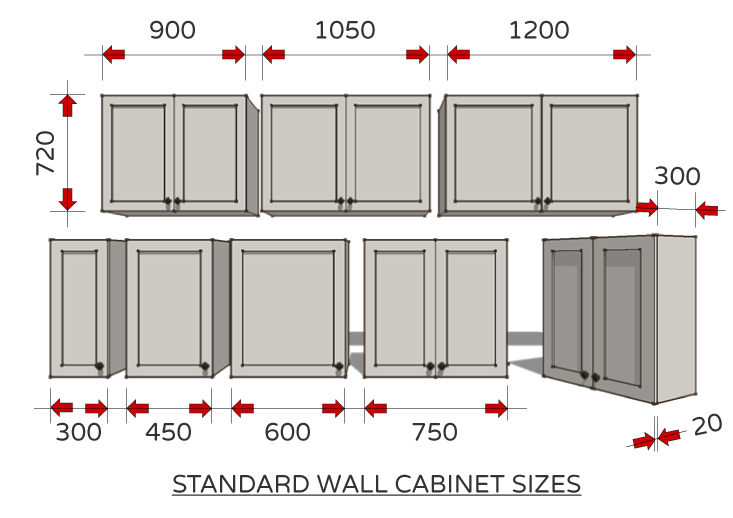
Cabinet doors typically measure between 24 and 30 inches high. Width depends on cabinet size and configuration. Full-height base cabinets often use 30-inch doors. Proper door sizing ensures smooth operation.
Standard Drawer Sizes for Kitchen Cabinets
Top drawers are commonly 6 inches high. Larger drawers may measure 10 to 12 inches tall. Width varies based on cabinet size. Pots and pans are best stored in deep drawers.
Kitchen Cabinet Toe Kick Dimensions
Toe kicks are usually 4 to 4.5 inches high. Depth is about 3 inches recessed. This space allows comfortable standing posture. It also improves cabinet stability.
Countertop Overhang and Cabinet Size Adjustments
Countertops typically overhang cabinets by 1 to 1.5 inches. This protects cabinet surfaces from spills. Overhang must be included in planning measurements. It enhances both function and design.
Kitchen Cabinet Sizes for Built-In Refrigerators
Cabinets around built-in refrigerators are typically 24 inches deep. Width matches the refrigerator dimension. Upper cabinets align with appliance depth. Proper sizing creates a seamless appearance.
Kitchen Cabinet Sizes Above the Refrigerator
Above-refrigerator cabinets are 12 to 24 inches deep. Heights range from 12 to 24 inches.Width matches refrigerator width. They provide additional storage space.
Tall Cabinet Sizes for Double Oven Units
Double oven cabinets are usually 30 to 36 inches wide. Depth is typically 24 inches. Heights range up to 96 inches. Appliance specifications should always be verified.
Measuring Your Kitchen for New Cabinets
Accurate measurements are essential before ordering cabinets. Measure wall length, ceiling height, and openings. Note plumbing and electrical placements. Precision prevents costly mistakes.
How to Choose the Right Kitchen Cabinet Sizes
Consider layout, ceiling height, and storage needs. Maintain proper clearances for appliances and walkways. Choose standard sizes for cost efficiency. Balanced sizing improves workflow.
Ergonomic Kitchen Cabinet Height Recommendations
The standard height for countertops is 36 inches off the ground. Taller individuals may prefer slightly higher surfaces. Lower options improve accessibility. Ergonomic design enhances comfort.
Accessible Kitchen Cabinet Sizes for Wheelchair Users
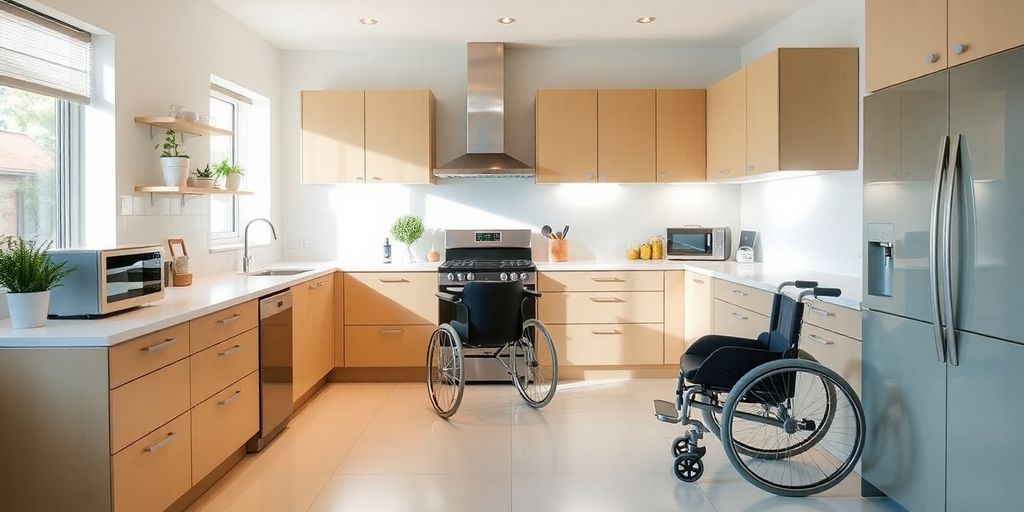
Accessible base cabinets may measure 30 to 32 inches high. Open space beneath allows wheelchair access. Pull-out shelves improve reach. Inclusive design enhances usability.
Cabinet Size Modifications and Special Orders
Some manufacturers allow size adjustments in small increments. Special orders accommodate unusual layouts. When sizing is customized, this results in higher costs and longer lead times. It ensures a perfect fit.
Kitchen Cabinet Sizes in Inches (Complete Breakdown)
The height of base cabinets is 34.5 inches, while their depth measures 24 inches. The height of wall cabinets varies from 12 to 42 inches. Tall cabinets measure between 84 and 96 inches high. The widths range from 9 to 48 inches.
Most Popular Kitchen Cabinet Sizes in 2026
36-inch countertop height remains the industry standard. 42-inch wall cabinets are trending for full-height designs. 24-inch depth dominates base cabinet installations. Wider pantry cabinets are growing in popularity.
Kitchen Cabinet Size Planning for Remodeling
Begin with accurate room measurements. Select cabinet sizes based on ceiling height and layout. Plan for appliance placement and clearances. Good planning reduces renovation delays.
Base Cabinet Sizes for Kitchen Islands
Island cabinets are typically 24 inches deep. Two cabinets may be installed back-to-back. Width depends on island length. Maintain 36 to 48 inches of surrounding clearance.
Standard Utility Cabinet Sizes
Utility cabinets are usually 24 inches deep. Heights vary from 84 to 96 inches. Width options include 18 to 36 inches. They store cleaning tools efficiently.
Upper Cabinet Sizes That Reach the Ceiling
42-inch wall cabinets reach 8-foot ceilings. Taller ceilings use stacked cabinet designs. Full-height cabinets reduce dust collection. They maximize vertical storage.
Kitchen Cabinet Width Increments Explained
Cabinets increase in 3-inch increments. This simplifies layout planning. Filler strips adjust small gaps. Increment sizing improves installation accuracy.
Common Kitchen Cabinet Sizing Mistakes to Avoid
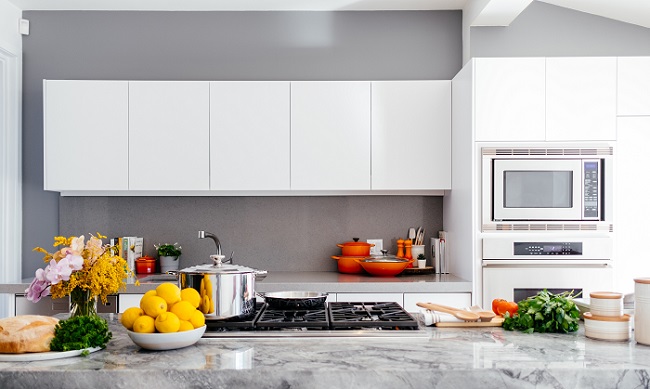
Ignoring ceiling height can create awkward gaps. Forgetting countertop thickness causes misalignment. Poor clearance planning limits functionality. Always measure carefully before ordering.
How Cabinet Sizes Impact Kitchen Design and Storage
Cabinet dimensions directly affect kitchen workflow. Proper sizing increases storage capacity. Balanced proportions improve visual appeal. Thoughtful planning creates an efficient and beautiful kitchen.
FAQ,s
1. What are the standard kitchen cabinet sizes?
Standard kitchen cabinet sizes vary by type. Base cabinets are typically 34.5 inches high and 24 inches deep, while wall cabinets are usually 12 inches deep. The height of tall cabinets varies from 84 to 96 inches. Widths generally increase in 3-inch increments.
2. How deep are standard kitchen cabinets?
Base cabinets are normally 24 inches deep for practical storage. Wall cabinets are usually 12 inches deep to prevent blocking the workspace. Some cabinets above refrigerators may be 24 inches deep. Depth affects accessibility and overall kitchen flow.
3. What is the standard height of kitchen base cabinets?
A standard base cabinet measures 34.5 inches in height without a countertop. After installing a 1.5-inch countertop, the total height becomes 36 inches. This measurement provides a comfortable working surface. It is considered the industry standard.
4. How much space should be between the countertop and upper cabinets?
It is standard for the space between upper cabinets and the countertop to be 18 inches. This spacing allows room for small appliances and backsplash installation. Some kitchens may vary between 15 and 20 inches. Proper spacing ensures comfort and safety.
5. What are the standard widths for kitchen cabinets?
Kitchen cabinet widths usually increase in 3-inch increments. Base cabinets range from 9 to 48 inches wide. Wall cabinets typically range from 12 to 36 inches wide. Wider cabinets are used for sinks and large storage areas.
6. How tall are standard kitchen wall cabinets?
Standard wall cabinets are commonly available in 30, 36, and 42 inches in height. The choice depends on ceiling height and design preference. Taller cabinets maximize vertical storage space. They also create a more seamless appearance.
7. What size cabinet is needed for a kitchen sink?
A single-bowl sink usually requires a 30-inch base cabinet. Double-bowl sinks typically need 33- or 36-inch cabinets. The standard depth remains 24 inches. Always confirm sink dimensions before ordering cabinets.
8. What are the standard tall pantry cabinet sizes?
Tall pantry cabinets generally measure 84, 90, or 96 inches high. Depth options are usually 12 or 24 inches. Widths of 18, 24, and 36 inches are commonly found. These cabinets are ideal for maximizing vertical storage.
9. Can kitchen cabinet sizes be customized?
Yes, kitchen cabinets can be customized depending on the manufacturer. Semi-custom cabinets allow limited size adjustments. Fully custom cabinets can be made in almost any dimension. Custom options usually cost more than standard sizes.
10. How do I measure my kitchen for new cabinets?
Start by measuring the total wall length and ceiling height. Record the placement of windows, doors, plumbing, and electrical outlets. Measure from corner to corner carefully. Accurate measurements ensure cabinets fit properly during installation.
Conclusion
Choosing the right kitchen cabinet sizes is essential for creating a functional, organized, and visually balanced kitchen. Standard dimensions make planning easier, while custom options provide flexibility for unique layouts. By understanding cabinet heights, depths, and widths, you can design a kitchen that maximizes both storage and efficiency.