Danish223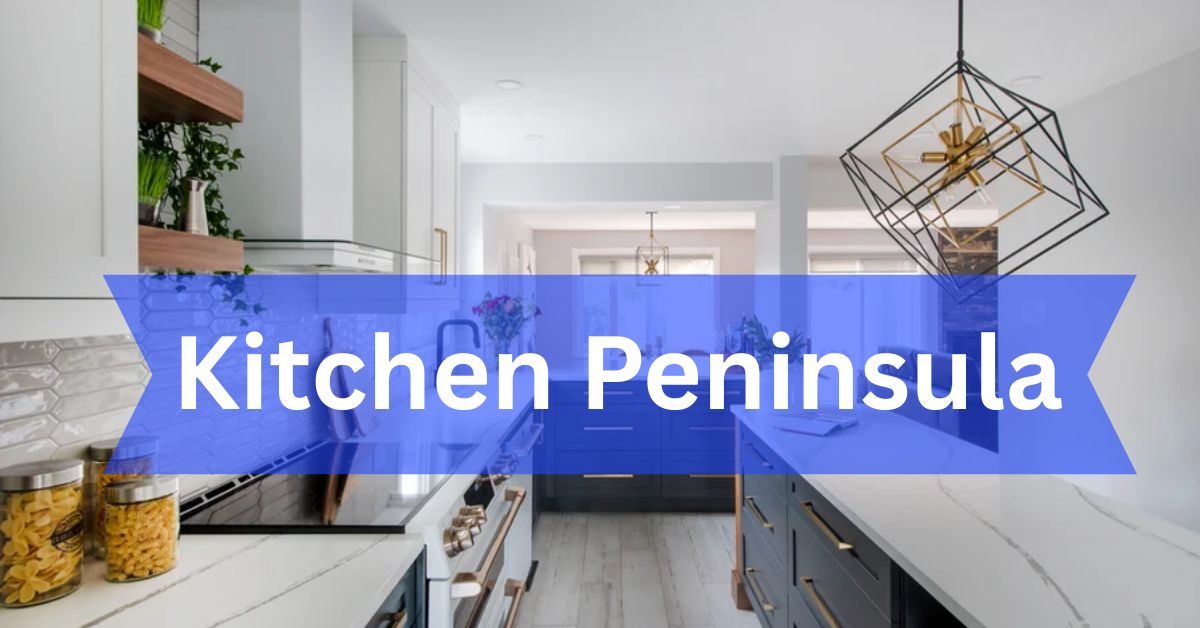
A kitchen peninsula is a countertop extension that connects to existing cabinetry or a wall on one side while remaining open on the other three sides. It works as a multi-functional surface for food prep, dining, storage, and even appliances. Unlike an island, it doesn’t require clearance on all sides, making it more space-efficient. Peninsulas are commonly used to improve layout flow and usability in both small and large kitchens.
A kitchen peninsula is a countertop extension that is attached to existing kitchen cabinets or a wall on one side. It provides additional workspace, storage, and seating while taking up less space than a freestanding island. Kitchen peninsulas are ideal for improving layout and functionality, especially in small or open-plan kitchens.
In This Article We Discuss “kitchen peninsula”
Kitchen Peninsula vs Kitchen Island: Key Differences Explained
The main difference between a kitchen peninsula and a kitchen island is attachment. A peninsula is connected to the main kitchen structure, while an island is freestanding. Islands require more floor space and wider clearances, whereas peninsulas work well in tighter layouts. Functionally, both can offer seating, storage, and appliances, but peninsulas are often easier and more affordable to install.
Why a Kitchen Peninsula Is Perfect for Small Kitchens
Small kitchens benefit greatly from peninsulas because they add usable counter space without overcrowding the room. A peninsula can replace the need for an island while still providing seating and storage. It also helps define the kitchen area in open or narrow layouts. For homes with limited square footage, a peninsula maximizes function without sacrificing movement.
Pros and Cons of Adding a Kitchen Peninsula
In open layouts, a kitchen peninsula provides more workspace, storage, seating, and improved zoning. It’s typically more budget-friendly and easier to install than an island. However, it can create tight corners or disrupt traffic if poorly planned. The key is proper sizing and placement to balance benefits with potential drawbacks.
Best Kitchen Layouts That Work With a Peninsula
Peninsulas work best in L-shaped, U-shaped, galley, and open-concept kitchens. These layouts naturally support an attached counter extension. A peninsula enhances workflow by keeping appliances within reach. Choosing the right layout ensures the peninsula improves functionality rather than blocking movement.
L-Shaped Kitchens With a Peninsula: Design Ideas
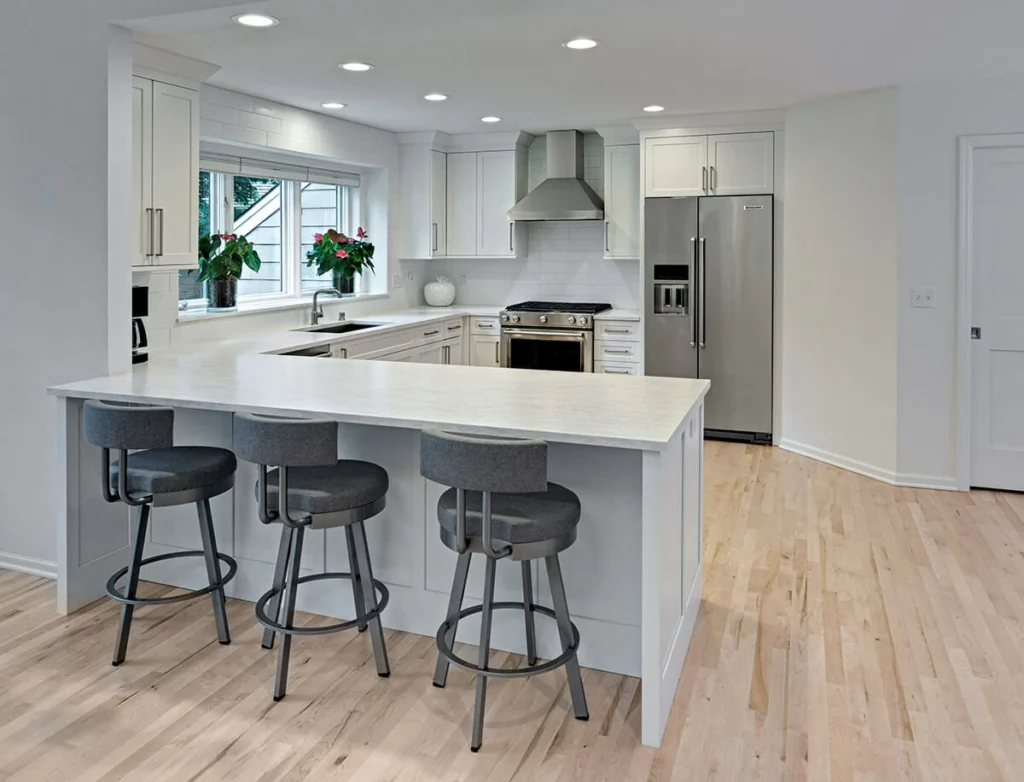
In an L-shaped kitchen, a peninsula extends one leg of the layout to create additional prep and seating space. It helps close the open end of the kitchen while maintaining flow. This arrangement is perfect for entertaining and informal dining. It also improves the work triangle by keeping zones closer together.
U-Shaped Kitchens With a Peninsula: Pros and Layout Tips
A peninsula can transform a U-shaped kitchen into a more social and open space. It provides seating without removing valuable cabinetry. This layout maximizes storage and counter space while keeping everything within reach. Proper clearance is essential to prevent the space from feeling enclosed.
Galley Kitchens With a Peninsula: Smart Space Solutions
In galley kitchens, a peninsula can replace one wall of cabinetry to open the space visually. It adds functionality while improving light flow and interaction with adjacent rooms. A compact peninsula can include seating or storage without narrowing walkways. This makes galley kitchens feel larger and more inviting.
Open-Concept Kitchens: How a Peninsula Creates Zones
A kitchen peninsula naturally separates the kitchen from living or dining areas without walls. It defines zones while maintaining visual openness. This makes it ideal for modern open-concept homes. Peninsulas provide structure while keeping the space social and connected.
Kitchen Peninsula Dimensions: Ideal Size and Clearance
Standard kitchen peninsulas are typically 60 to 90 inches long and about 24 to 25 inches deep. Seating overhangs usually require an additional 12 to 15 inches. Clearance around the peninsula should be at least 36 inches for comfortable movement. Proper sizing ensures both safety and functionality.
How Much Space Do You Need for a Kitchen Peninsula?
The required space depends on kitchen layout and usage. At minimum, you need enough room to maintain clear walkways and appliance access. Peninsulas are more forgiving than islands in tight spaces. Careful planning prevents congestion and improves workflow.
Kitchen Peninsula Seating Ideas for Every Home
Seating options range from bar stools to counter-height chairs depending on design. Backed stools work well for daily dining, while backless stools save space. Upholstered seating adds comfort, while wood or metal offers durability. The right seating enhances both style and usability.
How Many Stools Can Fit on a Kitchen Peninsula?
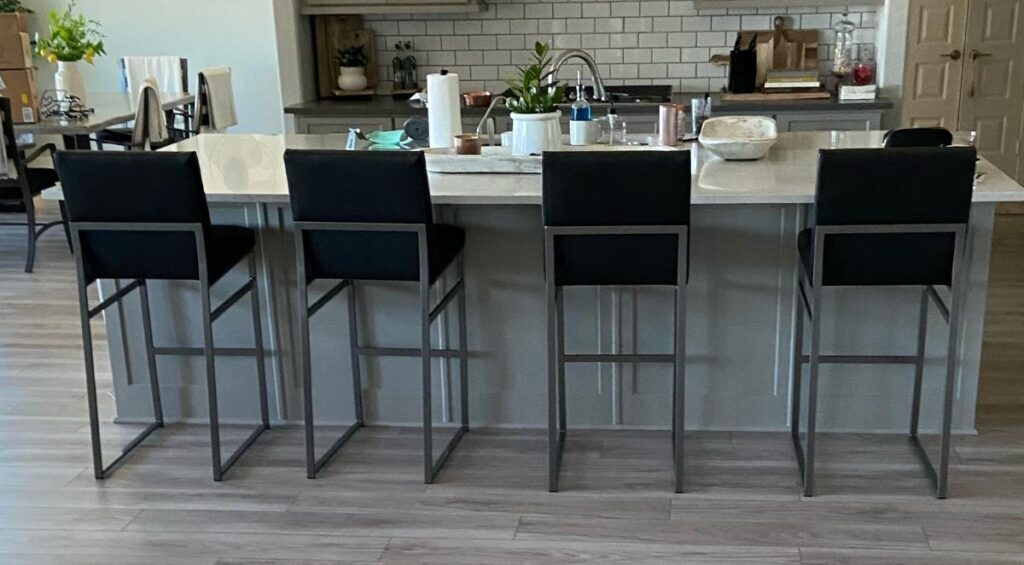
Most peninsulas comfortably seat two to three stools. Larger designs can accommodate four or more if space allows. Each stool typically needs about 24 inches of width. Proper spacing prevents crowding and improves comfort.
Counter-Height vs Bar-Height Kitchen Peninsulas
Counter-height peninsulas are usually 36 inches tall and feel more casual and accessible. Bar-height peninsulas are around 42 inches and create visual separation. Counter height is more popular in modern kitchens. The choice depends on lifestyle, seating preference, and design goals.
Best Materials for Kitchen Peninsula Countertops
Butcher block, marble, granite, quartz, and laminate are common materials for countertops.Quartz is durable and low maintenance, while marble offers luxury appeal. Butcher block adds warmth and character. The best material balances durability, budget, and style.
Waterfall Edge Kitchen Peninsula: Is It Worth It?
By extending the countertop down the sides, a waterfall edge produces a sleek, upscale appearance.It protects cabinetry and adds visual impact. While it increases cost, it elevates design significantly. Waterfall edges are ideal for modern and luxury kitchens.
Kitchen Peninsula With Sink: Design Pros and Cons
Adding a sink to a peninsula improves workflow and allows the cook to face outward. It’s great for entertaining and open layouts. However, it requires plumbing and careful splash management. Proper planning ensures functionality without mess.
Adding a Cooktop to a Kitchen Peninsula
A peninsula cooktop creates an interactive cooking experience. It works well in open kitchens where visibility matters. Ventilation and safety clearances are critical. When designed correctly, it enhances both function and social connection.
Kitchen Peninsula With Dishwasher: What to Know
Installing a dishwasher in a peninsula saves space and improves efficiency. It keeps cleanup close to prep and dining areas. Clearance for door opening is essential. Smart placement prevents traffic conflicts.
Kitchen Peninsula Storage Ideas That Maximize Space
Peninsulas can include cabinets, drawers, pull-outs, and open shelving. Storage can be accessed from the kitchen or seating side. This makes them ideal for small kitchens needing extra space. Thoughtful storage design reduces clutter.
Built-In Cabinets vs Open Shelving on a Peninsula
Built-in cabinets hide clutter and provide a clean look. Open shelving adds style and accessibility. A combination of both offers balance. The choice depends on storage needs and aesthetic preference.
Creative Kitchen Peninsula End Panel Designs
End panels add character and visual interest to a peninsula. Options include decorative panels, fluting, shiplap, or furniture-style finishes. These details elevate the overall design. End panels help the peninsula feel intentional and finished.
Shiplap, Beadboard, and Paneling Ideas for Peninsulas
Paneling adds texture and charm to peninsula bases. Shiplap suits farmhouse styles, while beadboard feels classic. Painted paneling can add subtle contrast. These finishes turn a functional element into a design feature.
Two-Tier Kitchen Peninsula: Functional or Outdated?
Two-tier peninsulas separate prep and dining areas. They can hide messes but may feel dated in modern kitchens. Single-level designs are currently more popular. However, two-tier layouts still work for specific needs.
Curved and Angled Kitchen Peninsula Designs
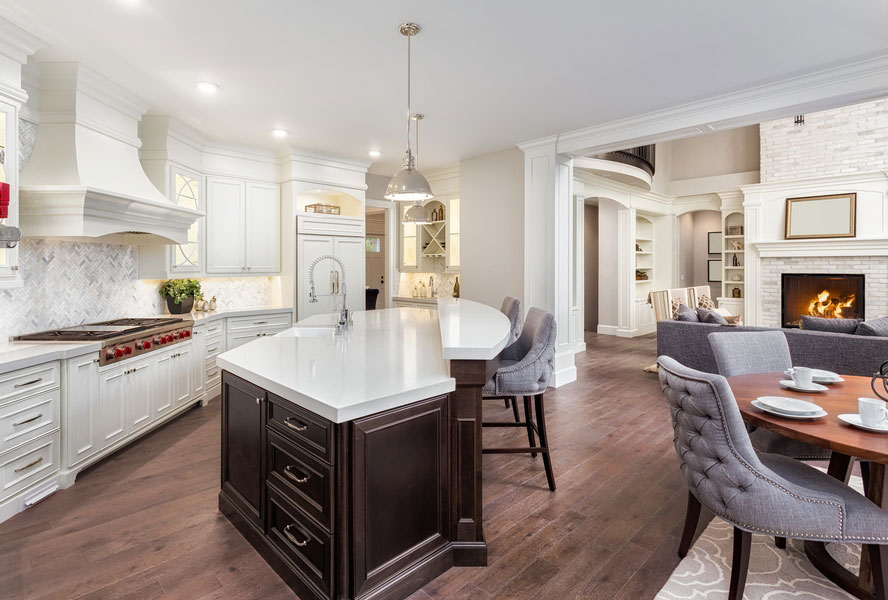
Curved and angled peninsulas soften sharp layouts and improve flow. They work well in tight or irregular spaces. These designs add uniqueness and elegance. Custom shapes enhance both function and aesthetics.
Modern Kitchen Peninsula Design Ideas
Modern peninsulas feature clean lines, minimal hardware, and neutral tones. Waterfall countertops and integrated storage are common. Lighting plays a key role in modern designs. The focus is simplicity and functionality.
Traditional and Farmhouse Kitchen Peninsula Styles
Traditional and farmhouse peninsulas emphasize warmth and detail. Wood finishes, paneling, and decorative accents are common. These styles feel inviting and timeless. Peninsulas blend seamlessly with classic cabinetry.
Transitional Kitchen Peninsula Design Inspiration
Transitional design blends modern simplicity with traditional warmth. Peninsulas in this style use neutral colors and subtle details. They feel balanced and versatile. This approach suits many homes and resale goals.
Using Color to Make Your Kitchen Peninsula Stand Out
A contrasting peninsula color creates a focal point. Deep blues, greens, or wood tones add personality. Color can define the peninsula as a separate zone. This approach adds depth without overwhelming the kitchen.
Matching vs Contrasting Peninsula Cabinet Colors
Matching colors create a cohesive look, while contrasting adds visual interest. Contrasting peninsulas often anchor open spaces. The choice depends on design intent. Both options can be stylish when done thoughtfully.
Lighting Ideas for Kitchen Peninsulas
Lighting enhances both function and ambiance. Pendant lights are popular for seating areas. Task lighting improves prep efficiency. Proper lighting makes the peninsula more inviting and practical.
Pendant Lights vs Recessed Lighting Over a Peninsula
Pendant lights add style and visual focus. Recessed lighting offers a clean, minimal look. Many kitchens use both for balance. The right combination improves usability and aesthetics.
How a Kitchen Peninsula Improves Workflow
A peninsula keeps work zones close together. It supports the work triangle and reduces unnecessary movement. This makes cooking more efficient. Good design turns the peninsula into a productivity hub.
Kitchen Peninsula and the Work Triangle Explained
The work triangle connects the sink, stove, and refrigerator. A peninsula can enhance this relationship. It keeps distances short and logical. Proper placement improves daily kitchen efficiency.
Traffic Flow Problems and How a Peninsula Can Help
Peninsulas can redirect traffic away from cooking zones. They create clear pathways and boundaries. This improves safety and comfort. Strategic placement prevents congestion.
Is a Kitchen Peninsula Outdated or Still in Style?
Kitchen peninsulas are not outdated. They remain relevant for space-efficient design. Modern materials and layouts keep them fresh. They’re especially popular in small and open kitchens.
Kitchen Peninsula Design Trends for Modern Homes
Current trends include waterfall edges, mixed materials, and integrated seating. Neutral palettes with bold accents are popular. Multifunctional designs are in demand. Peninsulas continue to evolve with lifestyle needs.
Can You Have Both a Kitchen Island and a Peninsula?
Yes, large kitchens can include both. This setup maximizes storage and workspace. Each element serves a different function. Proper spacing is essential to avoid overcrowding.
Kitchen Peninsula for Entertaining and Hosting
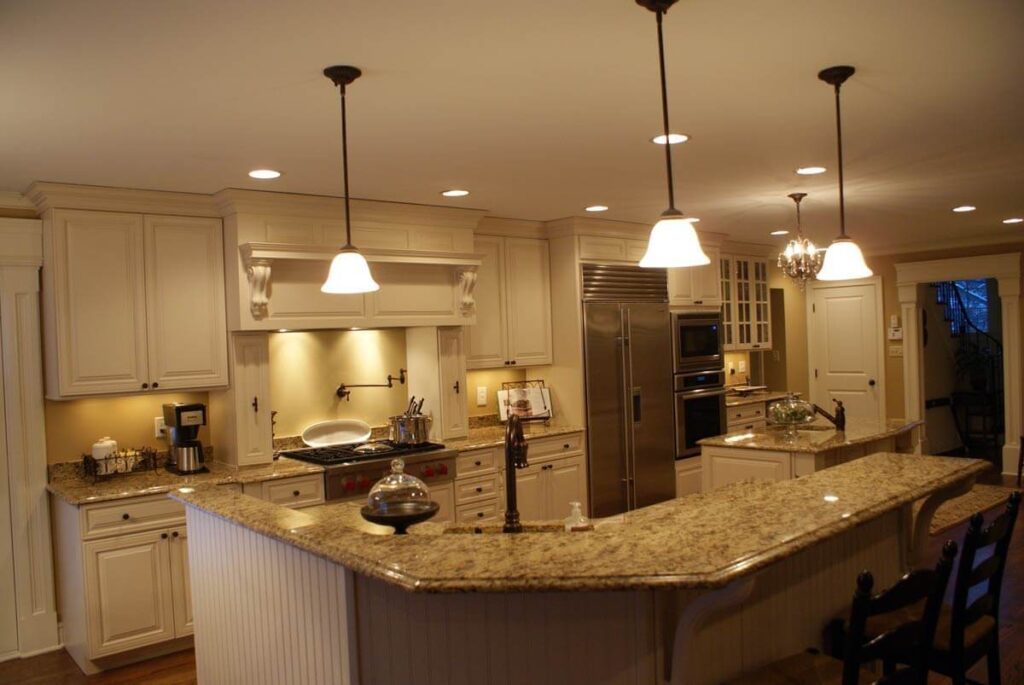
Peninsulas are ideal for casual gatherings. Guests can sit, chat, and eat while staying connected to the cook. They support serving and buffet setups. This makes entertaining effortless.
Budget-Friendly Kitchen Peninsula Ideas
Using existing cabinetry reduces costs. Simple materials and standard sizes save money. Smart design choices maximize impact. A budget peninsula can still be stylish and functional.
Cost of Adding a Kitchen Peninsula During Remodel
Costs vary based on size, materials, and appliances. Peninsulas are generally cheaper than islands. Plumbing and electrical additions increase cost. Planning helps control the budget.
Kitchen Peninsula Remodel: What to Plan First
Start with layout and clearance planning. Consider how you’ll use the space daily. Choose materials and features next. Early planning prevents costly changes later.
Common Kitchen Peninsula Design Mistakes to Avoid
Poor clearance is the most common mistake. Oversized peninsulas can block traffic. Ignoring storage needs reduces functionality. Thoughtful design avoids these issues.
Kitchen Peninsula Ideas for Rental Homes
Portable or semi-permanent peninsulas work well for rentals. Simple designs add value without major changes. They improve usability without permanent alterations. Renters can still enjoy added function.
Multi-Functional Kitchen Peninsulas for Busy Families
Family peninsulas combine prep, dining, storage, and workspaces. They support homework, meals, and gatherings. Durable materials are essential. This makes them perfect for active households.
Kitchen Peninsula as a Dining and Homework Space
Peninsulas often double as dining and study areas. They keep family activities centralized. Comfortable seating improves usability. This versatility adds everyday value.
How to Style a Kitchen Peninsula for Everyday Use
Keep surfaces clutter-free and functional. Use minimal decor like trays or plants. Balance style with practicality. Everyday styling should enhance, not hinder, use.
Kitchen Peninsula Decor Ideas That Don’t Add Clutter
Functional decor like bowls and organizers works best. Avoid overcrowding the surface. Choose a few intentional pieces. This keeps the space clean and usable.
Does a Kitchen Peninsula Increase Home Value?
A well-designed peninsula can boost home appeal. It adds function and modern appeal. Buyers appreciate smart layouts. Quality design contributes to resale value.
Is a Kitchen Peninsula Right for Your Kitchen Layout?
A peninsula is ideal if space is limited or layout needs definition. It offers flexibility and efficiency. Consider lifestyle, traffic, and size. The right choice enhances everyday living.
FAQ,s
1. What is a kitchen peninsula?
A kitchen peninsula is an extension of existing kitchen cabinets or countertops that is attached on one side and open on the other three. It offers additional seating, storage, and workspace without taking up as much room as a standalone island.
2. What is the difference between a kitchen peninsula and an island?
A kitchen island is freestanding and accessible from all sides, while a kitchen peninsula is connected to a wall or cabinetry. Peninsulas are better suited for smaller kitchens where floor space is limited.
3. Is a kitchen peninsula good for small kitchens?
Yes, a kitchen peninsula is ideal for small kitchens because it maximizes counter space and storage without overcrowding the room. It also improves functionality while maintaining proper traffic flow.
4. What is the standard size of a kitchen peninsula?
A typical kitchen peninsula is between 60 and 90 inches long and about 24 to 25 inches deep. Seating overhangs usually require an additional 12 to 15 inches for comfort.
5. How much clearance is needed around a kitchen peninsula?
You should allow at least 36 inches of clearance around a kitchen peninsula for safe movement. In high-traffic kitchens, 42 inches is recommended for better flow.
6. Can you add seating to a kitchen peninsula?
Yes, kitchen peninsulas are commonly designed with seating. Depending on size, they can accommodate two to four stools, making them perfect for casual dining or entertaining.
7. Can a kitchen peninsula include appliances?
A kitchen peninsula can include appliances such as a sink, dishwasher, cooktop, or wine fridge. Proper planning for plumbing, ventilation, and electrical access is essential.
8. Are kitchen peninsulas outdated?
No, kitchen peninsulas are not outdated. They remain a popular and practical choice, especially in smaller or open-concept kitchens where an island is not feasible.
9. How much does it cost to add a kitchen peninsula?
The cost varies depending on size, materials, and features, but a kitchen peninsula is generally more affordable than adding an island. Basic designs can be budget-friendly, while custom options increase cost.
10. Does a kitchen peninsula increase home value?
Yes, a well-designed kitchen peninsula can increase home value by improving functionality and layout. Buyers often appreciate the added counter space, seating, and storage.
Conclusion
A kitchen peninsula is a practical and stylish way to add extra counter space, storage, and seating without needing a large footprint. It works especially well in small and open-concept kitchens by improving workflow and defining zones. With the right design, a kitchen peninsula can enhance daily use and increase your home’s overall value.