Danish223
Choosing the right drain size for your kitchen sink is essential for smooth water flow and preventing blockages. Many homeowners overlook this small detail, which can lead to major plumbing issues later. Understanding standard sizes helps you make informed installation choices.
The standard kitchen sink drain size is 1½ inches in diameter. This size is commonly used in most residential kitchens because it provides efficient water flow and fits standard plumbing connections. However, in some cases, especially for larger or commercial sinks, a 2-inch drain may be used to handle higher water volumes.
In This Article We Discuss “What Size Drain for Kitchen Sink”
Understanding Kitchen Sink Drains
A kitchen sink drain connects the sink basin to the home’s plumbing system, carrying wastewater away efficiently. It consists of several parts like the strainer, tailpiece, P-trap, and outlet pipe. The correct sizing ensures all components fit perfectly together.
Why Drain Size Matters
Drain size affects how quickly water flows out of your sink. A smaller pipe may cause clogs and slow drainage, while an oversized one could lead to improper fitting. Correct sizing guarantees balance between flow speed and plumbing safety.
Standard Kitchen Sink Drain Size
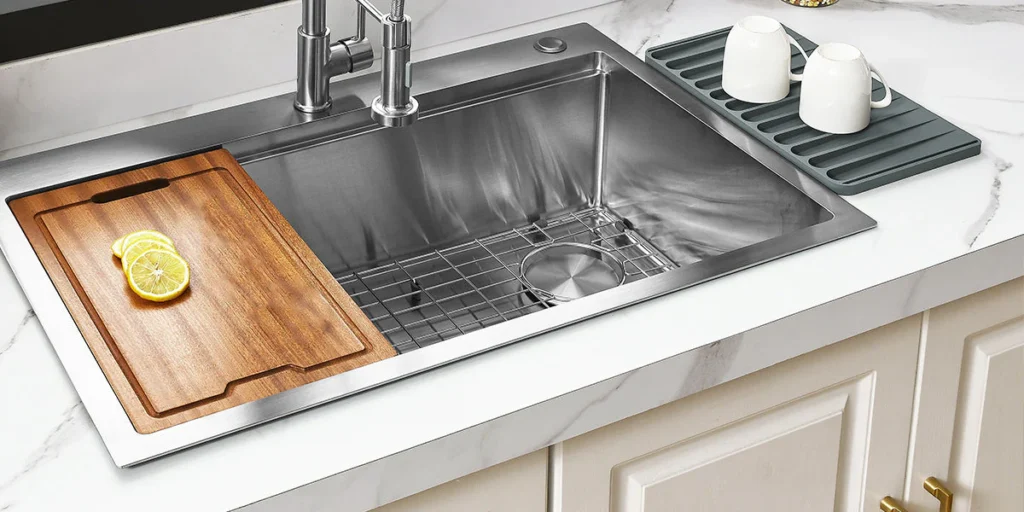
The most common kitchen sink drain size in modern homes is 1½ inches. This size efficiently handles water and waste from everyday kitchen use. However, some installations use 2-inch drains for greater capacity.
1½ Inch vs 2 Inch Drain Pipes
The 1½ inch pipe is suitable for typical household sinks, while the 2 inch pipe is better for larger or commercial setups. The choice depends on your kitchen’s water output and plumbing layout.
Single Sink Drain Size
A single-basin kitchen sink generally requires a 1½ inch drain to manage regular water flow. It’s compact, affordable, and compatible with most residential plumbing systems.
Double Sink Drain Size
Double sinks handle more water simultaneously and often connect using a T-fitting. Many setups use two 1½ inch drains or upgrade to a 2 inch main pipe for efficiency.
Garbage Disposal Drain Requirements
Garbage disposals usually connect to a 1½ inch drain outlet. Always ensure the pipe and disposal match in size to prevent clogging or water backup issues.
Measuring Your Sink Drain
To measure correctly, remove the strainer and use a ruler or caliper to find the internal diameter of the pipe. Accuracy ensures you buy the right replacement parts for your setup.
PVC vs Metal Drain Pipes
PVC pipes are lightweight, rust-resistant, and easy to install, making them ideal for DIY projects. Metal pipes like brass or chrome look premium but are heavier and more expensive.
How to Choose the Right Drain Size
Select your drain size based on sink design, water usage, and local plumbing codes. For most homes, 1½ inch works best, but heavy-use kitchens may need 2 inches.
Common Mistakes in Sink Drain Installation
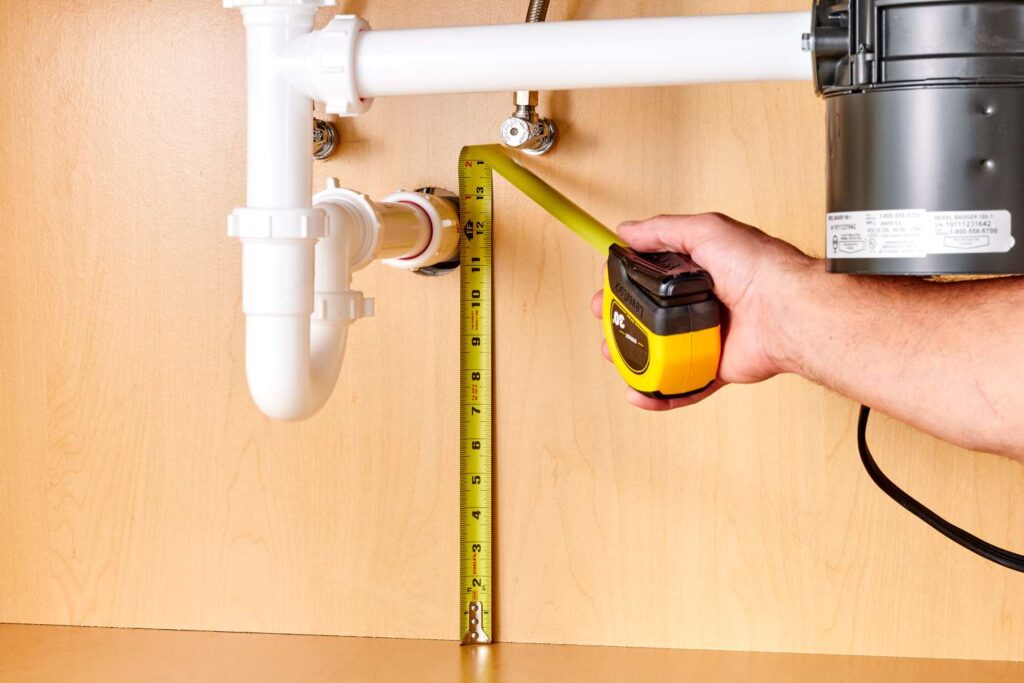
Many people install the wrong pipe size or forget to seal joints properly. Misalignment and missing washers can also cause leaks. Always follow guidelines carefully to avoid plumbing failures.
Drain Adapters and Fittings
Drain adapters connect pipes of different sizes or materials. For instance, a 1½ inch drain can be linked to a 2 inch line using a reducer fitting. Tight seals prevent leaks.
Local Plumbing Codes and Regulations
Always check local plumbing codes before installation. Some areas require minimum pipe sizes or specific materials for kitchen drains. Compliance ensures safety and prevents penalties.
Kitchen Sink Trap Size
The P-trap beneath your sink should match the drain size—commonly 1½ inches. This trap blocks sewer gases from entering the kitchen while maintaining smooth drainage.
Drain Hose for Dishwasher Connection
Dishwasher hoses typically measure ⅞ inch and connect to the sink drain or disposal unit. Ensure proper height and a tight seal to prevent backflow.
How Drain Size Affects Water Flow
The larger the drain, the faster water exits the sink. However, if it’s too large, it might not fit properly. The perfect balance ensures optimal drainage without leaks.
Signs of Incorrect Drain Size
If your sink drains slowly, gurgles, or leaks frequently, you might have the wrong pipe size. These symptoms often signal a mismatch or improper installation.
Upgrading Old Kitchen Drains
Older homes may have 1¼ inch pipes that restrict water flow. Upgrading to 1½ inch improves performance and fits modern sinks and garbage disposals better.
Best Materials for Kitchen Drain Pipes
PVC is ideal for most households, while ABS is stronger for cold areas. Metal pipes, like brass, last longer but need regular maintenance to prevent corrosion.
DIY Installation Tips
Use Teflon tape on threads and test for leaks before tightening permanently. Always dry-fit your pipes first to ensure proper alignment before sealing.
Tools Needed for Drain Installation
You’ll need a pipe wrench, hacksaw, plumber’s putty, Teflon tape, and PVC glue. Having these tools ready makes installation faster and more professional.
Step-by-Step Drain Pipe Replacement
- Turn off water supply
- Remove old pipes
- Measure new ones carefully
- Attach fittings and seals
- Tighten joints and test for leaks
Preventing Clogs with Proper Drain Size
A correct drain size reduces clog risk by allowing waste and water to flow freely. Combine this with regular cleaning for the best results.
Sink Drain Basket Strainer Sizes
Most standard strainers fit 3½ inch sink openings. Always check the sink hole diameter before buying to ensure a proper fit.
Under-Sink Space Management
Ensure there’s enough clearance for traps, hoses, and fittings. Avoid overstuffing the cabinet to keep plumbing accessible for repairs or maintenance.
Choosing the Right P-Trap Size
Your P-trap should match the sink’s tailpiece diameter—typically 1½ inches. A mismatched trap can cause leaks or drainage inefficiency.
Sink Drain Connection to Wall Pipe
Ensure the sink tailpiece aligns smoothly with the wall outlet. Misalignment causes strain and can lead to leaks or disconnections over time.
When to Call a Plumber
If water backs up or leaks persist despite DIY efforts, it’s time to call a plumber. Professionals ensure your drain size and alignment are correct.
Cost of Replacing a Kitchen Sink Drain
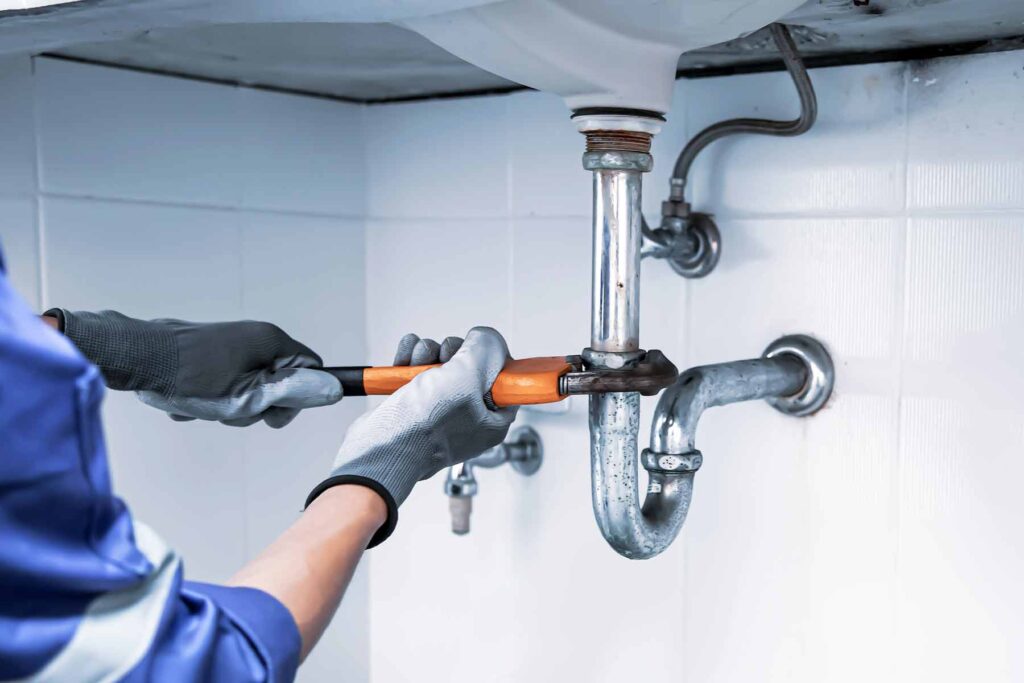
Replacing a kitchen sink drain typically costs $100–$300, depending on materials, labor, and complexity. DIY options are cheaper if done correctly.
Common Drain Size Issues
Using the wrong pipe size or old fittings can cause frequent blockages. Always verify compatibility between your sink, trap, and drain line.
Impact of Drain Size on Water Pressure
While drain size doesn’t affect water pressure directly, it influences drainage speed. A smaller pipe can cause backups that mimic low pressure.
Adapting Old Plumbing to New Sink
If your new sink’s drain doesn’t match existing plumbing, use adapters or reducers. This allows you to upgrade without replacing the entire pipe system.
Best Practices for Kitchen Drain Maintenance
Avoid dumping grease and large food particles down the drain. Use strainers, flush with hot water weekly, and inspect for leaks regularly.
How to Identify Your Drain Type
Look under your sink to identify if you have a compression or slip-joint setup. Each type connects differently but serves the same drainage purpose.
Drain Venting and Airflow
Proper venting prevents airlocks that slow drainage. Ensure your kitchen plumbing includes a vent pipe or air admittance valve for smooth flow.
Kitchen Island Sink Drain Size
Island sinks often need 2 inch drain lines due to longer pipe runs. This helps maintain adequate flow even over extended horizontal distances.
Deep Sink Drain Considerations
Deep sinks need extended tailpieces to reach the trap comfortably. Always maintain the correct slope for efficient water flow.
Commercial Kitchen Sink Drain Standards
Commercial sinks handle large volumes of water and debris, requiring 2 inch or larger drains for fast, clog-free operation.
Drain Extensions and Reducers
Drain extensions help reach wall outlets, while reducers connect mismatched pipe sizes. Both should be installed securely to prevent leaks.
Eco-Friendly Drain Systems
Use sustainable materials like recyclable PVC and install filters that prevent microplastics from entering the sewer system.
Drain Installation Safety Tips
Always wear gloves and eye protection while cutting or connecting pipes. Turn off the water supply and double-check for leaks before finishing.
Troubleshooting Drain Leaks
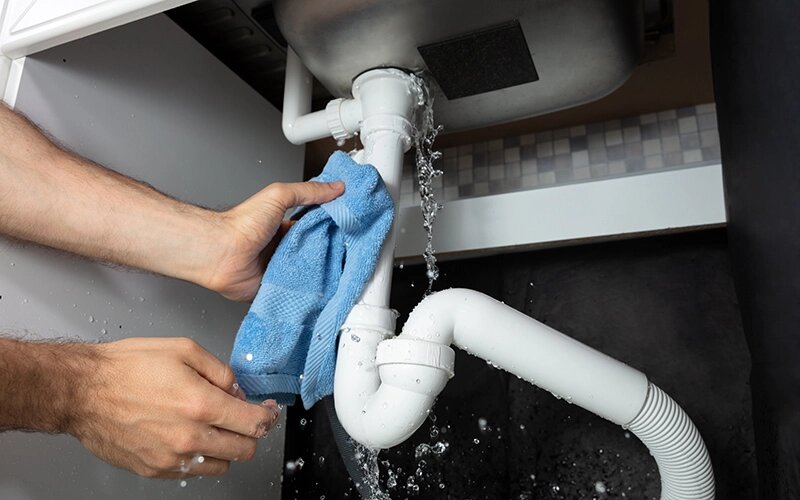
Check for loose nuts, damaged washers, or misaligned joints. Tighten connections and replace worn seals to stop leaks immediately.
Proper Drain Height from Floor
The standard height for kitchen drain outlets is 16–20 inches from the floor. This allows enough room for traps and easy access.
Sink Drain Alignment Issues
If pipes don’t align, use flexible couplings or adjustable fittings. Never force connections, as this can cause cracks or future leaks.
Choosing Between Slip-Joint and Compression Fittings
Slip-joint fittings are easy to adjust, while compression fittings offer tighter seals. Choose based on the space and type of pipe used.
How to Seal Sink Drains Correctly
Apply plumber’s putty around the flange and tighten the nut evenly. Test for leaks before completing the installation.
Maintenance Schedule for Kitchen Drains
Inspect your pipes monthly and clean traps every 3 months. Replace gaskets annually to prevent water damage and odors.
Conclusion
Choosing the right drain size for your kitchen sink ensures efficient water flow, prevents clogs, and extends plumbing life. Whether upgrading or installing new, always measure accurately, follow codes, and use quality fittings. A properly sized drain is the key to a trouble-free kitchen.
FAQ,s
1. What is the standard kitchen sink drain size?
The standard kitchen sink drain size is 1½ inches in diameter.This size allows smooth water flow and fits most residential plumbing setups. It’s the most commonly used size for modern kitchen sinks.
2. Can I use a 2-inch drain pipe for my kitchen sink?
Yes, you can use a 2-inch pipe if your plumbing allows it. It provides better drainage for high-volume water flow. However, always check local plumbing codes before installation.
3. What size drain is needed for a double sink?
Most double sinks use a 1½-inch drain pipe connected with a shared trap. Each bowl typically connects to a common waste line.
Proper venting ensures balanced drainage for both sides.
4. Do all garbage disposals fit standard sink drains?
Yes, most garbage disposals fit a 1½-inch drain opening. They’re designed to align with standard sink sizes. Ensure you use the right flange and mounting ring for a tight seal.
5. How can I measure my kitchen sink drain size?
Use a measuring tape or ruler to check the pipe’s inner diameter.Measure from edge to edge across the drain opening.Accurate measurement ensures you buy the correct fittings.
6. Does drain size affect water pressure?
Not directly, but it impacts how fast water drains.A small pipe can cause slow draining or backup issues.The correct size maintains consistent flow without pressure loss.
7. What is the best material for kitchen drain pipes?
PVC pipes are lightweight, durable, and easy to install.Metal pipes like stainless steel or brass offer longevity and strength.Choose based on your budget and kitchen’s plumbing setup.
8. How high should the drain be from the floor?
The ideal height is 16–18 inches from the floor.This gives room for the P-trap and ensures smooth water flow.Adjust according to your sink depth and cabinet design.
9. Why is my kitchen sink draining slowly?
A slow drain often means buildup or incorrect pipe size.Grease, food debris, or poor alignment can block flow.Cleaning or resizing the pipe usually solves the issue.
10. When should I call a plumber for drain issues?
Call a plumber if you notice leaks, bad odors, or backups.They can inspect venting, trap size, or alignment problems.Professional help ensures your drain system works efficiently.