Danish223
A sudden kitchen sink backup usually happens when debris, grease, or food creates an unexpected blockage in the drain. Water is forced upward because it cannot pass through the clog quickly enough. When this happens without warning, it’s a sign that buildup has been forming for a while.
Your kitchen sink is backing up because something is blocking the drain and stopping water from flowing freely. Common causes include grease buildup, food particles, soap scum, or a clogged P-trap. In some cases, deeper issues like a blocked main drain line or dishwasher drainage problems can also push water back into the sink.
In This Article We Discuss “Why Is My Kitchen Sink Backing Up?”
Common Reasons Your Kitchen Sink Is Backing Up
Most backups occur due to grease buildup, food scraps, soap residue, or clogged pipes. Over time, these substances collect along the pipe walls and restrict drainage. When the water can’t escape downward, it returns back into the sink.
Signs Your Kitchen Sink Is About to Back Up
Slow drainage is the most obvious sign that a backup is coming. You may also hear gurgling sounds or smell foul odors from the drain. These early warnings mean a blockage is forming deeper in the system.
Why Your Kitchen Sink Is Backing Up Even With No Visible Clog
Even if the drain opening looks clear, clogs often form deeper in the pipe system. The obstruction may sit inside the P-trap, drain line, or even the main sewer line. Hidden blockages are more difficult to spot but cause the same symptoms.
How Grease Build-Up Leads to Kitchen Sink Backups
Grease cools and solidifies inside the pipes, coating the walls with a sticky layer. As food debris washes through, it sticks to the grease and creates thicker buildup. Eventually, the pipe narrows enough to stop water from flowing downward.
Food Particles That Commonly Block Kitchen Sink Drains
Foods like rice, pasta, eggshells, potato peels, and onion skins easily expand or tangle inside the drain. These soft particles form clumps that create instant blockages. Once stuck, they prevent water from passing through efficiently.
Why Coffee Grounds Can Cause Your Kitchen Sink to Back Up
Coffee grounds don’t break down in water and act like tiny pebbles inside pipes. They gather together and create stubborn clogs that attach to grease deposits. Even small amounts can eventually cause full backups.
How Soap Scum and Mineral Deposits Restrict Drain Flow
Soap reacts with hard water minerals and forms a chalky residue inside pipes. This residue narrows the passageway and traps food particles passing through. Over time, the buildup becomes strong enough to cause slow drainage and backups.
Garbage Disposal Issues That Cause Backups
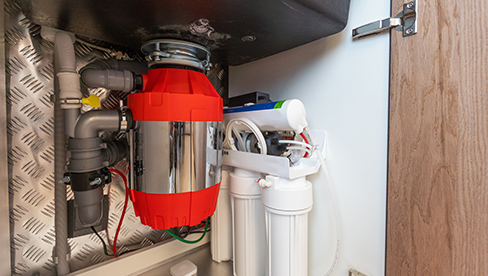
A jammed or overloaded garbage disposal can’t grind food properly. Unprocessed scraps get trapped in the drain line and block the water flow. When this happens, the sink water begins rising back into the basin.
Why Your Garbage Disposal Sends Water Back Into the Sink
If both sides of a double sink share the same drain, a clogged disposal forces water upward. Grinding food while the drain is congested pushes water into the opposite basin. This creates cross-basin backups even when the disposal runs fine.
The Role of the P-Trap and How It Gets Clogged
The P-trap catches debris before it enters deeper plumbing lines. Unfortunately, this also makes it the most common clog point under the sink. When it fills with grease or food buildup, it stops water from flowing through.
How a Blocked P-Trap Causes Water to Back Up
A clogged P-trap creates a tight seal of trapped debris inside the curve. Once blocked, water has no route to move downward and instead fills the sink. This is why backups often appear suddenly and severely.
Why Your Double Kitchen Sink Backs Up on One Side
If one basin backs up when the other is used, both drains are connected to the same pipe. A clog somewhere in the shared line forces water upward into the unused side. This is a clear sign of a deeper obstruction in the drain arm.
How a Clogged Vent Pipe Leads to Drainage Problems
Vent pipes allow air into the system so wastewater can flow properly. When the vent is blocked, negative pressure forms and slows drainage. This pressure buildup pushes water back into the sink instead of letting it drain.
Roof Vent Blockages and Their Impact on Your Kitchen Sink
Leaves, bird nests, or debris on the roof can clog the vent opening. Without proper airflow, the drain system struggles to move water efficiently. This imbalance often leads to slow drainage and sink backups throughout the home.
How Tree Roots Can Cause Sink Backups in Older Homes
Tree roots naturally search for moisture and can enter cracks in old drain lines. Once inside, they grow and block the flow of wastewater. This restriction causes backups in the kitchen sink and other fixtures.
Signs Your Main Drain Line Is Clogged
If multiple drains in your home slow down at once, the main line may be blocked. Gurgling noises in toilets, tubs, or sinks also point to a deep clog. When the main line is obstructed, kitchen sinks often show symptoms first.
Why Both Sink Basins Back Up at the Same Time
A clog in the shared waste arm affects both basins equally. When one side drains, pressure pushes water up into the other. This creates a mirror backup, proving the blockage is deeper than the drain opening.
How Dishwasher Drainage Can Push Water Up Into the Sink
Dishwashers release water quickly and with force into the drain line. If the line is partially clogged, the water has nowhere to go. It then backs up into the kitchen sink instead of flowing through the system.
Why Your Sink Backs Up When the Washing Machine Runs
Washing machines discharge water into shared drain lines that may also serve the kitchen. A clog anywhere along the shared line causes the high-pressure laundry drain to push water upward. This sends dirty water directly into the sink.
How Incorrect Plumbing Installation Causes Frequent Backups
Improper pipe slopes, poorly connected traps, or undersized pipes slow water movement. These installation mistakes cause constant clogs and repeated backups. Even basic kitchen usage becomes enough to overwhelm the system.
Why Slow Drainage Often Leads to Full Sink Backups
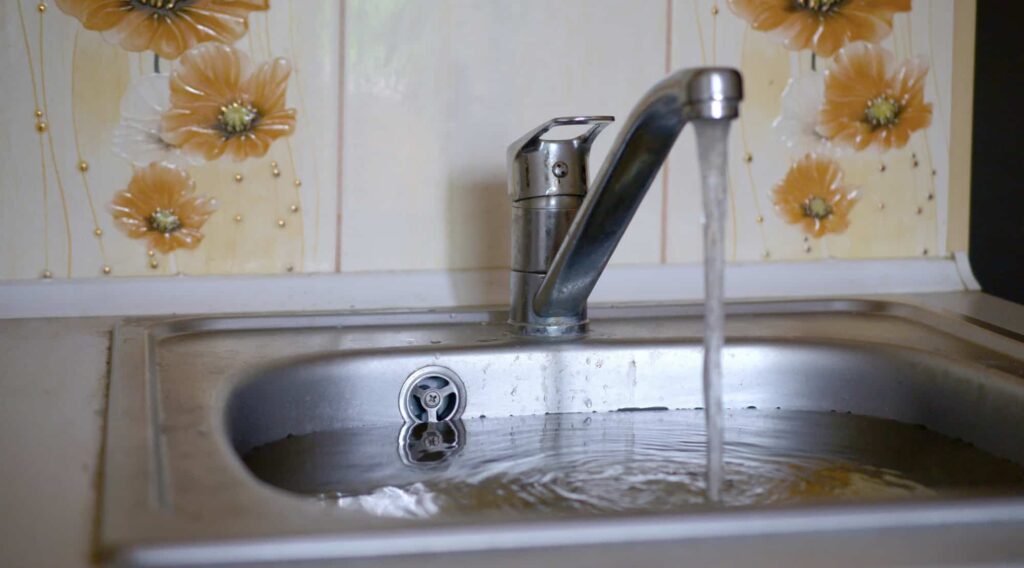
Slow drainage is the earliest sign that the pipe opening is narrowing. As buildup increases, the flow eventually stops completely. Once the blockage tightens, the sink begins backing up with standing water.
Foreign Objects That Commonly Get Stuck in Kitchen Drains
Objects like utensils, fruit stickers, bottle caps, and twist ties easily fall into drains. These items get trapped and form the center of larger clogs. Even a small object can trigger a sudden blockage and backup.
Effects of Hardened Grease on PVC and Metal Pipes
Grease attaches strongly to both PVC and metal surfaces. Once hardened, it acts like glue for food particles passing through. This thick coating quickly restricts the pipe diameter and causes water to rise back up.
How Seasonal Weather Can Affect Kitchen Drain Flow
Cold temperatures harden grease inside pipes and reduce water flow. During hot, humid months, organic buildup grows faster and thickens. Seasonal changes contribute to repeated clogs and unexpected backups.
Why Bad Pipe Slope Causes Kitchen Sink Backups
Plumbing requires a precise downward slope for proper drainage. If the slope is too flat or reversed, water slows or pools inside the pipe. This stagnant water collects debris and leads to frequent backups.
The Impact of Old, Corroded Pipes on Sink Drainage
Corroded pipes become rough inside, trapping food debris more easily. As corrosion flakes off, it creates small obstructions that catch grease and sludge. These older systems clog faster and cause frequent backups.
Why Biofilm Build-Up Can Trigger Sink Backups
Biofilm forms when bacteria and organic matter stick to pipe walls. This slimy coating traps food, fats, and debris as they pass through. Over time, the film thickens enough to block the water flow completely.
How Small Cracks in Drain Pipes Create Blockage Points
Hairline cracks allow debris to snag on the broken edges inside the pipe. These tiny pressure points catch everything that passes by. Eventually, the trapped debris grows into a full obstruction and causes backups.
Why Your Kitchen Sink Gurgles Before Backing Up
Gurgling sounds mean air is trapped and struggling to escape past a clog. As the blockage grows, the trapped air becomes louder and more frequent. Once the pipe is almost sealed, the sink begins backing up.
Hidden Clogs Deep in the Drain Line You Can’t See
Some clogs form far beyond the P-trap, in pipes hidden behind walls or under floors. These deeper obstructions grow silently until they block the flow entirely. When water has nowhere else to go, it returns to the sink.
How Multiple Appliance Drains Can Overload the Pipe
Kitchen drains often share lines with dishwashers, washing machines, or bathroom fixtures. When several appliances release water at once, the pipe overloads. If there’s partial buildup, the extra water pushes back into the sink.
Why DIY Chemical Cleaners Sometimes Make Backups Worse
Chemical cleaners can melt grease temporarily but push it deeper into the pipe. This soft debris later hardens and forms an even tougher blockage. Harsh chemicals also damage pipes, causing long-term drainage issues.
Early Warning Signs Your Sink Is Developing a Serious Blockage
Common symptoms include bubbling, foul odors, slow drainage, and water marks in the sink. These signals appear before the full blockage forms. Addressing them early prevents complete backups and pipe damage.
Why Your Kitchen Sink Keeps Backing Up Again and Again
Recurrent backups often mean the clog was never fully removed. Small debris still sitting in the line collects new buildup quickly. Until the pipe is thoroughly cleared, the sink will continue backing up.
How to Identify Whether the Blockage Is Local or Main Line
If only the kitchen sink drains slowly, the clog is likely local. But if multiple fixtures show problems, the main line is involved. Understanding the location helps determine the right repair method.
Why Homes With Septic Systems Experience More Sink Backups
Septic tanks can overflow or fill too quickly, causing drainage to slow across the home. When the tank pushes wastewater back, the kitchen sink is often the first affected. Regular septic maintenance helps prevent these issues.
How Construction Debris Can Clog Kitchen Drains
During renovations, dust, cement, and small debris often enter open drain lines.Water flow is hampered by these materials as they solidify inside the pipe. Over time, they combine with grease and cause major backups.
Why Rust Flakes From Old Pipes Cause Repeated Sink Clogs
Rust breaks away from corroded steel pipes and accumulates inside the system. These flakes trap grease and soap scum, forming dense clogs. Repeated backups are common in older homes with aging plumbing.
Impact of Hard Water on Long-Term Kitchen Drain Performance
Hard water leaves mineral deposits along pipe walls. These deposits thicken over time and trap passing debris. Homes with hard water see more frequent drainage problems and backups.
Why Your Kitchen Sink Smells Bad Before Backing Up
Bad odors indicate rotting food or trapped organic matter in the pipes. As the clog grows, bacteria multiply and produce strong smells. Once the blockage reaches a critical point, water begins to back up.
How Leaking Pipes Can Contribute to Drain Blockages
Leaks allow debris to settle and accumulate at broken joints. These weak points catch food particles and create growing clogs. Over time, the pipe becomes narrow enough to cause backups.
Why Your Garbage Disposal Drains Slowly and Backs Up
Dull blades or overloading prevent the disposal from grinding food thoroughly. Large particles pass into the drain and get stuck further down. This buildup slows water movement and eventually causes a full backup.
How Air Pressure Problems Cause Water to Rise in the Sink
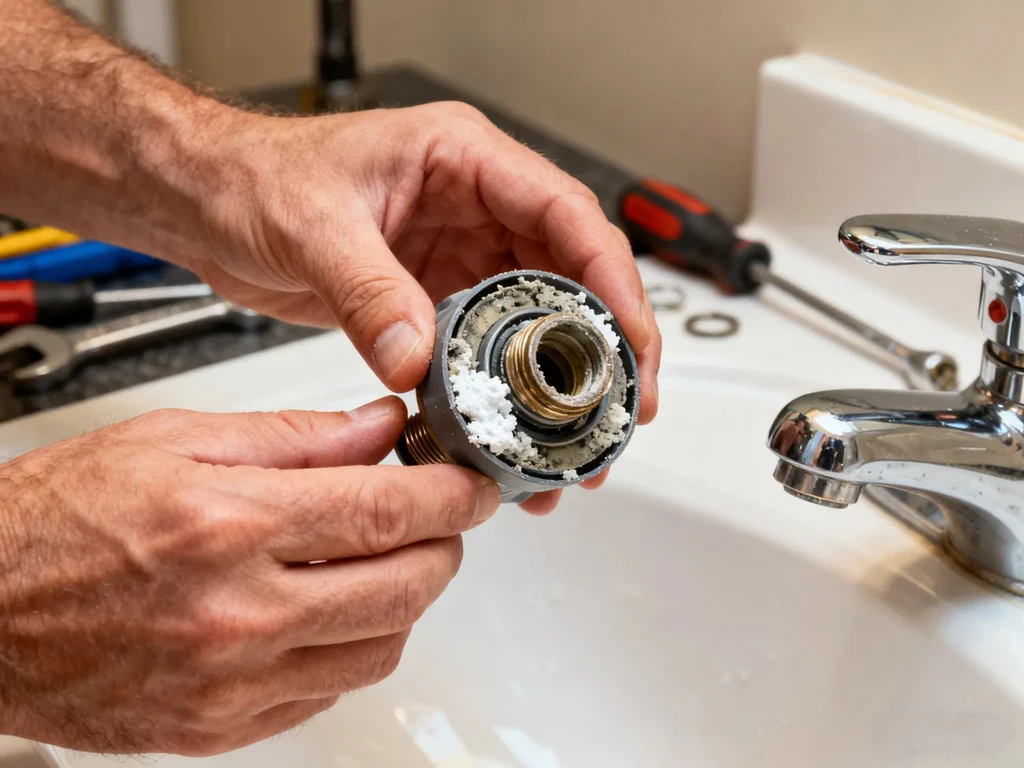
Improper air pressure prevents wastewater from flowing smoothly through the pipeline. When air cannot escape, water gets pushed backward. This pressure imbalance is commonly caused by venting issues.
Why Dishwasher Air Gaps Can Cause Backup Issues
A clogged air gap prevents the dishwasher from draining properly. When water cannot escape, it flows backward into the sink. Keeping the air gap clean helps maintain proper drainage flow.
Common Plumbing Mistakes That Lead to Sink Water Backup
Poor pipe alignment, improper trap installation, and incorrect venting all cause drainage issues. These mistakes disrupt normal water flow and create chronic backups. Even minor errors can lead to recurring blockages.
Why Ignoring Small Clogs Leads to Major Backups
Small clogs rarely stay small for long. As debris collects, the blockage grows and tightens until no water can pass. Addressing early symptoms prevents major plumbing emergencies.
How Professional Camera Inspection Can Find Hidden Blockages
Plumbers use camera tools to inspect deep inside the drain system. These cameras reveal cracks, buildup, and clogs you can’t see otherwise. Identifying the exact problem ensures the right repair is done.
When a Kitchen Sink Backup Means You Need a Plumber
If multiple drains slow down, water backs up repeatedly, or bad odors persist, professional help is needed. Plumbers have the tools to remove deep clogs safely. Early intervention prevents costly damage.
How to Prevent Your Kitchen Sink From Ever Backing Up Again
Avoid pouring grease down the drain, use sink strainers, and perform monthly maintenance. Regular flushing with hot water and natural cleaners keeps pipes clear. With proper care, your kitchen sink can stay clog-free long-term.
FAQ’s
1. Why is my kitchen sink backing up suddenly?
A sudden backup usually happens when food waste, grease, or debris quickly blocks the drain. Even a small clog can stop water flow and force water back into the sink. If both basins slow down together, the blockage is deeper inside the pipe.
2. Can grease really cause a sink to back up?
Grease hardens inside pipes and traps food particles over time. This buildup narrows the drain and slows the flow of water. Eventually, the pipe becomes fully blocked and causes a complete backup.
3. Why does my sink back up when I run the dishwasher?
Your dishwasher uses the same drainage line as the kitchen sink, so any clog affects both. When the shared pipe is blocked, water is pushed back into the sink instead of draining out. This is a clear sign of a deeper or partial clog in the system.
4. Why does my double sink back up on one side?
A blockage in the shared drain line beneath the sink causes one side to back up. Water flows until it hits the clog, then rises in the other basin. This usually means the P-trap or branch line needs to be cleaned.
5. How can I tell if the main drain line is clogged?
If multiple drains in your home slow down at the same time, the main line is likely blocked. You may also hear gurgling or notice water backing up in different fixtures. These signs show the clog is deeper than the kitchen plumbing.
6. Should I use chemical drain cleaners for a backup?
Chemical cleaners can damage PVC or older metal pipes. They may clear small clogs but often push debris deeper into the drain. Professional cleaning is safer and provides a longer-lasting fix.
7. Why does my kitchen sink smell bad before backing up?
Bad odors come from decomposing food waste stuck inside the drain. As buildup grows, it slows water flow and traps even more debris. The smell is often an early warning sign of an upcoming clog.
8. What objects commonly cause kitchen drain blockages?
Foods like rice, pasta, coffee grounds, eggshells, and potato peels often cause drain blockages. These items swell, stick, or tangle inside pipes and restrict water flow. Over time, they form thick buildup that leads to backups.
9. How do I know if the blockage is deep or shallow?
The clog is probably close to the P-trap or drain pipe if the sink only drains slowly. If the dishwasher or other appliances affect the sink, the blockage is deeper. Slow drainage throughout the home means the main line is clogged.
10. When should I call a plumber for a backing-up sink?
If plunging or basic cleaning doesn’t fix the problem, a plumber should be called. Repeated backups usually mean a deeper clog or damaged pipe. A professional can use tools like snakes and cameras to locate and clear the issue completely.
Conclusion
Kitchen sink backups are usually caused by everyday issues like grease buildup, food waste, or hidden blockages deep in the drain. Paying attention to early signs such as slow drainage, smells, or gurgling can prevent bigger problems later. If the sink continues backing up repeatedly, it’s best to call a professional plumber for a long-term solution.